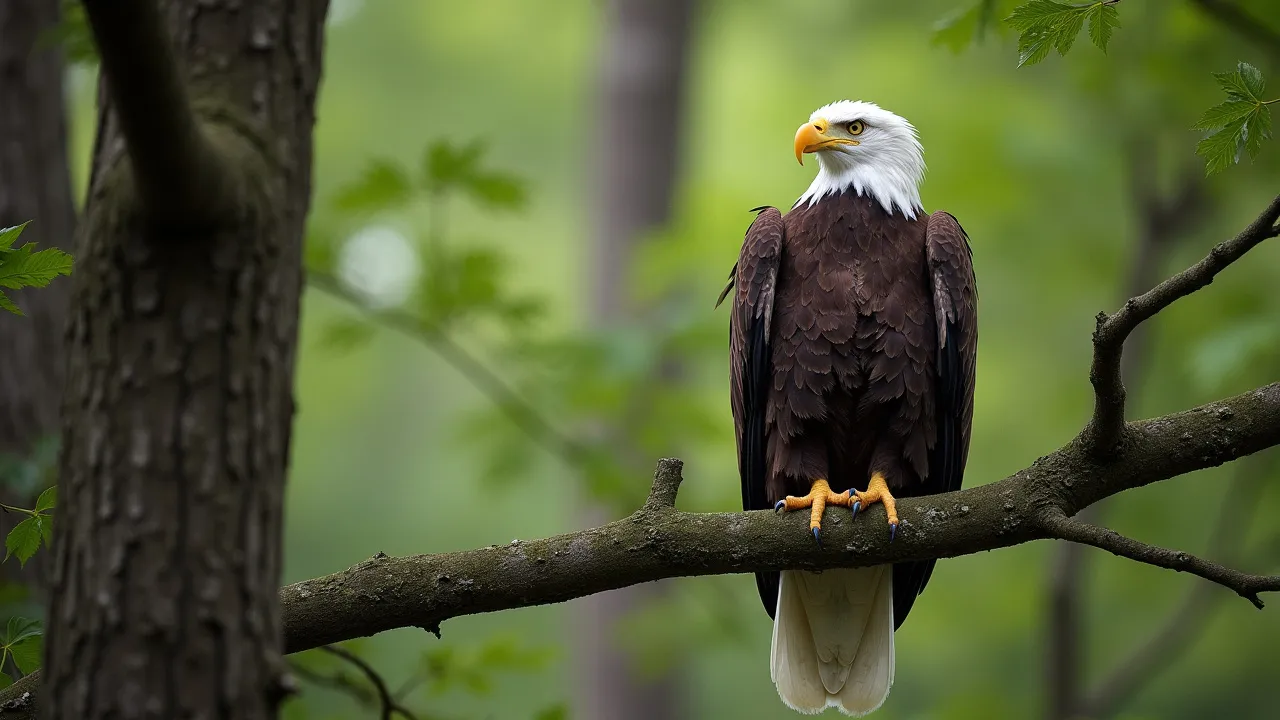
American Eagle Day, observed on June 20th, honors the majestic bald eagle as a symbol of freedom and strength. The day promotes conservation efforts and educational programs to protect this national icon.
The Historical Origins & Evolutionary Journey
American Eagle Day is a nationally recognized observance dedicated to the bald eagle, the United States' national bird. The day's roots trace back to the founding of the American Eagle Foundation (AEF) in 1995, which established the first official celebrations. However, the story of the bald eagle as a symbol predates this by over two centuries.
The Foundational Catalyst
The bald eagle was chosen as the centerpiece of the Great Seal of the United States in 1782, embodying the young nation's ideals of independence, strength, and resilience. Founding fathers like Benjamin Franklin debated the choice—some favored the turkey—but the eagle's majestic appearance and predatory prowess won out. Over the next century, the bald eagle appeared on coins, government documents, and military insignia, cementing its status as a national emblem.
By the early 20th century, habitat loss, hunting, and the pesticide DDT caused severe population declines. The Bald Eagle Protection Act of 1940 made it illegal to harm the birds, but threats persisted. Rachel Carson's 1962 book Silent Spring exposed DDT's dangers, leading to its ban in 1972. These actions, combined with captive breeding programs, helped the species rebound.
The Legislative/Official Adoption
The American Eagle Foundation, led by founder Al Cecere, began promoting a special day in 1995 to educate the public and raise funds for eagle conservation. State-level proclamations followed, and in 2007, the United States Congress passed a resolution designating June 20th as American Eagle Day. President George W. Bush signed the resolution into law, solidifying the date. The choice of June 20th coincides with the anniversary of the Great Seal's adoption in 1782, though the seal itself was adopted on June 20, 1782.
Modern Global Legacy
Today, American Eagle Day is celebrated nationwide and even internationally, with zoos, wildlife centers, and conservation groups hosting events. The bald eagle was removed from the Endangered Species list in 2007, a testament to successful conservation. The day now serves as a platform to discuss ongoing environmental challenges, such as lead poisoning from ammunition and habitat fragmentation. Educational programs in schools and online campaigns continue to inspire new generations to protect this iconic bird.
How to Celebrate American Eagle Day
American Eagle Day offers numerous opportunities for individuals, families, schools, and organizations to honor the bald eagle and contribute to its preservation. Below are actionable strategies for meaningful celebration.
For Individuals and Families
- Visit a Raptor Center or Rehab Facility: Many wildlife sanctuaries offer open houses on June 20th. Observe eagles up close and learn about recovery efforts.
- Organize a Cleanup: Eagles rely on clean waterways and forests. Host a local stream or park cleanup with neighbors.
- Watch Documentaries: Films like The Bald Eagle: A Symbol of Freedom provide insight into the bird's history and biology.
- Donate to Conservation: Support organizations like the American Eagle Foundation, The Peregrine Fund, or the Audubon Society.
For Schools and Educators
- Lesson Plans: Incorporate eagle-themed science and history lessons. Cover topics such as the Great Seal, DDT effects, and population recovery.
- Art Projects: Have students draw or paint bald eagles and display them as a "Wall of Eagles."
- Guest Speakers: Invite a local wildlife rehabilitator to speak about eagle conservation.
For Organizations and Corporations
- Sponsor a Nest: Companies can adopt an eagle nest through the AEF's Adopt-an-Eagle program.
- Employee Engagement: Offer volunteer hours for staff to participate in habitat restoration or fundraising runs.
- Social Media Campaign: Use hashtags like #AmericanEagleDay to share facts and photos, encouraging followers to get involved.
Global Traditions
While primarily a US observance, other countries with eagle populations (e.g., Canada, Mexico) have adopted similar days. In Canada, for example, Bald Eagle Day is sometimes celebrated alongside National Indigenous Peoples Day (June 21). Events often include cultural ceremonies honoring the eagle as a sacred animal.
The Bald Eagle as a National Symbol
The bald eagle's role as a national symbol extends beyond aesthetics. It represents the core American values of freedom, courage, and independence. The eagle appears on the Great Seal, the presidential seal, the one-dollar bill, and many military insignias. Its image evokes patriotism and responsibility toward nature.
Historically, Native American tribes revered the eagle as a messenger to the Creator, using its feathers in sacred rituals. The bald eagle's inclusion in American iconography bridged indigenous and settler cultures, though the bird's near-extinction in the 20th century served as a cautionary tale about environmental neglect. Today, the eagle's recovery symbolizes hope and collective action.
In legal terms, the Bald Eagle Protection Act of 1940 and subsequent Endangered Species Act protections underscore the nation's commitment to preserving its living symbols. The bird's resilience mirrors the American spirit—an enduring emblem that has weathered adversity and continues to soar.
Conservation Success Stories and Challenges
The recovery of the bald eagle from the brink of extinction is one of conservation's greatest triumphs. In 1963, only 417 nesting pairs remained in the contiguous United States. By 2020, the population exceeded 300,000 individuals, thanks to legal protections, banning of DDT, and captive breeding programs.
Key Milestones
- 1940: Bald Eagle Protection Act prohibits killing, selling, or possessing eagles.
- 1972: DDT banned after evidence linked it to eggshell thinning.
- 1978: Bald eagle listed as endangered under the Endangered Species Act.
- 2007: Delisted due to recovery, but still protected by the Bald Eagle Protection Act and Migratory Bird Treaty Act.
Ongoing Threats
Despite the recovery, eagles face continued dangers. Lead poisoning from ingesting bullet fragments in carcasses kills hundreds annually. Habitat loss from development and climate change impacts nesting sites. Collisions with vehicles and wind turbines are also concerns. American Eagle Day serves as a reminder to address these persistent issues through research, advocacy, and responsible land management.
Global Impact and International Eagle Day Movements
While American Eagle Day is specific to the United States, the bald eagle's story has inspired other nations to create their own eagle observances. For example, Canada celebrates Bald Eagle Day in conjunction with National Indigenous Peoples Day, highlighting the bird's cultural significance to First Nations. Mexico, home to the golden eagle featured on its coat of arms, holds educational events about eagle conservation.
International collaborations, such as the North American Eagle Conservation Network, share best practices for protecting raptors across borders. The American Eagle Foundation's live eagle cams provide global audiences with real-time views of nesting pairs, fostering worldwide appreciation. This cross-border conservation effort demonstrates that protecting a single species can unite diverse communities around a shared natural heritage.
Educational and Community Programs
American Eagle Day is a powerful educational tool. The American Eagle Foundation's website offers free curricula for K-12 teachers, including videos, worksheets, and interactive quizzes. Many zoos and aquariums host special programs on June 20th, featuring live eagle demonstrations and keeper talks.
Community groups organize eagle-watching excursions along major rivers like the Mississippi and the Potomac, where eagles are abundant. Libraries hold reading challenges focused on bird books. Social media campaigns such as #EagleSelfie encourage people to share photos of themselves with eagle imagery or in nature. these initiatives foster a sense of stewardship and ensure that the bald eagle remains a cherished symbol for generations to come.
Historical Timeline
The bald eagle is adopted as the central symbol of the Great Seal of the United States on June 20, 1782.
Congress passes the Bald Eagle Protection Act, making it illegal to harm or disturb bald eagles.
The bald eagle is listed as endangered under the Endangered Species Preservation Act.
The use of DDT is banned in the United States, a major factor in eagle population recovery.
The American Eagle Foundation organizes the first American Eagle Day celebration in Pigeon Forge, Tennessee.
The U.S. Congress officially designates June 20 as American Eagle Day; the bald eagle is removed from the Endangered Species list.
The bald eagle population in the lower 48 states reaches an estimated 316,700 individuals.