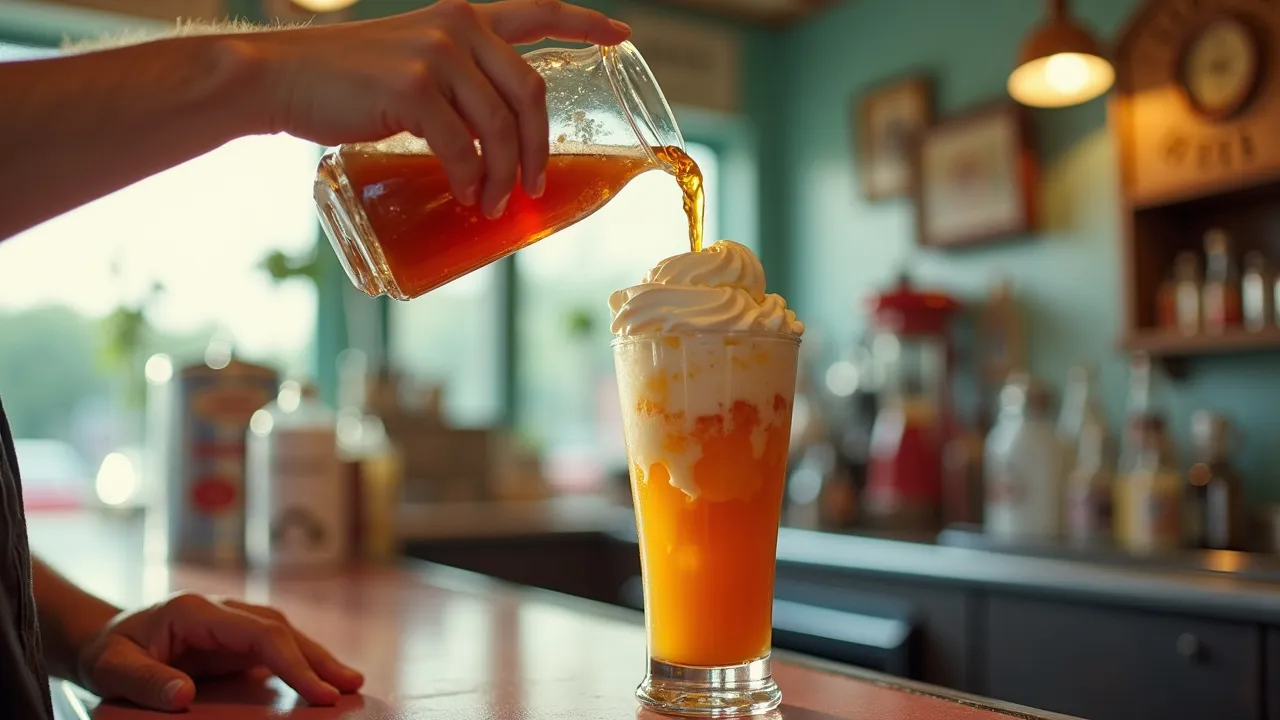
National Ice Cream Soda Day on June 20th celebrates the timeless delight of ice cream sodas. From its 1874 origins to modern twists, this day honors a classic beverage.
The Historical Origins & Evolutionary Journey of the Ice Cream Soda
National Ice Cream Soda Day, observed annually on June 20th, pays homage to one of America's most beloved refreshments. The ice cream soda, a harmonious blend of carbonated beverage, flavored syrup, and ice cream, has a rich history dating back to the late 19th century. This day celebrates not just a drink but a cultural icon that has evolved over decades.
The Foundational Catalyst: The 1874 Invention
The ice cream soda's origin story is often attributed to Robert M. Green, a concessionaire at the Franklin Institute's semicentennial celebration in Philadelphia in 1874. According to legend, Green ran out of cream for his flavored drinks and substituted vanilla ice cream, creating an instant hit. However, some historical accounts suggest that ice cream sodas were independently invented earlier, with variations appearing in soda fountains across the United States. The drink quickly gained popularity at the 1876 Centennial Exposition in Philadelphia, where it was served to thousands.
The Soda Fountain Boom (1890s-1920s)
By the 1890s, soda fountains had become a fixture in American drugstores, serving ice cream sodas alongside other refreshments. The soda fountain was a social gathering place, especially for women and children, offering a respectable alternative to saloons. Notable manufacturers like D.L. Clark Company and Liggett's produced syrups and equipment. The ice cream soda was featured in advertisements and became a symbol of modernity and leisure.
Prohibition and the Ice Cream Soda (1920-1933)
During Prohibition, soda fountains flourished as social hubs, often serving as covert speakeasies. Ice cream sodas provided a non-alcoholic indulgence. The term 'float' gained popularity. Many classic recipes, like the Black Cow (root beer float), originated during this period.
Post-War Popularity and Decline
After World War II, the rise of fast food and packaged desserts led to a decline in soda fountain culture. However, the ice cream soda remained a nostalgic treat. In the 1980s and 1990s, retro-themed diners revived interest. National Ice Cream Soda Day is believed to have been established in the early 1990s by ice cream industry groups to revive appreciation for this classic drink.
Modern Global Legacy
Today, the ice cream soda has evolved into countless variants, from the classic root beer float to gourmet creations using artisanal ice creams and craft sodas. National Ice Cream Soda Day encourages both traditionalists and innovators to explore this versatile beverage. The day is marked by special promotions at ice cream parlors, social media campaigns, and family gatherings.
How to Celebrate National Ice Cream Soda Day
Celebrating National Ice Cream Soda Day is a delightful endeavor that can be tailored to individual preferences and cultural contexts. Below are comprehensive strategies for individuals, schools, and organizations.
For Individuals and Families
- Create a Classic Soda: Start with a tall glass, add 2-3 tablespoons of flavored syrup (chocolate, strawberry, or vanilla), fill with carbonated water, and top with a scoop of ice cream. Garnish with whipped cream and a cherry.
- Host an Ice Cream Soda Party: Invite friends and family to mix their own sodas. Provide a variety of syrups, ice creams, and toppings. Consider a contest for the most creative combination.
- Visit a Local Soda Fountain: Support nostalgic establishments that serve hand-crafted ice cream sodas. Many offer special deals on June 20th.
- Experiment with Flavors: Try international variations like the Italian affogato (espresso poured over ice cream), the Japanese cream soda (melon soda with vanilla ice cream), or the Australian spider.
For Schools and Educational Institutions
- History Lesson: Incorporate the history of the ice cream soda into a lesson on American industrial innovation and temperance movements.
- Science Experiment: Explore the chemistry of carbonation and freezing point depression. Measure the effect of temperature on carbonation release.
- Fundraiser: Organize an ice cream soda sale to raise funds for school activities. Students can learn entrepreneurship.
- Art Project: Design vintage advertisement posters for ice cream sodas, mimicking 1920s style.
For Businesses and Organizations
- Special Promotions: Offer discounts on ice cream sodas or create limited-time flavors exclusive to the day.
- Social Media Campaigns: Encourage customers to share photos using a dedicated hashtag like #NationalIceCreamSodaDay. Feature user-generated content.
- Corporate Team Building: Host an ice cream soda-making competition among departments.
- Community Events: Partner with local dairy farms or soda manufacturers for a community celebration.
Global Celebration Customs
In the United States, the day is marked by nostalgic celebrations at diners and ice cream shops like Baskin-Robbins and Dairy Queen. In Canada, variations with maple syrup are popular. In Australia, the 'spider' is a common treat, often made with lemonade or cream soda. In Japan, cream soda (melonsoda with ice cream) is a beloved drink at kissaten (coffee shops). In the United Kingdom, ice cream floats are often served with lemonade. Each region adds its unique twist, reflecting local flavors and traditions.
The Science Behind the Perfect Ice Cream Soda
Creating an exceptional ice cream soda involves a delicate balance of physics and chemistry. The interplay of carbonation, temperature, and fat content determines the final experience. Understanding these principles can help you perfect your soda.
Carbonation and Nucleation
The effervescence of carbonated water is due to dissolved carbon dioxide gas. When ice cream is added, the cold temperature and rough surface of the ice cream provide nucleation sites for gas bubbles to form, causing a frothy head. Temperature is key: colder beverages hold more carbonation, but too cold can suppress flavor. Ideal serving temperature is around 40°F (4°C). The ice cream should be very cold to minimize melting into the soda too quickly.
The Role of Fat
Ice cream's fat content stabilizes the foam and adds richness. Full-fat ice cream (14-18% butterfat) creates a creamier texture compared to low-fat varieties. The fat also coats the palate, enhancing the perception of sweetness. Using premium ice cream with high butterfat yields a more luxurious soda.
Syncing Syrup and Soda
Flavored syrups must be properly mixed. High-fructose corn syrup or natural sugars affect the density of the soda. Experiments show that adding syrup before carbonated water ensures even distribution. Stirring gently with a straw after adding ice cream helps incorporate layers.
The Perfect Ratio
A classic formula: 1 part syrup, 3 parts carbonated water, 1 scoop ice cream. Adjust according to taste. Use a tall glass to minimize overflow during the carbonation reaction. The ideal glass size is 16 oz, leaving room for the foam.
Carbonation Alternatives
For a milder fizz, use club soda or seltzer. For a stronger taste, use ginger ale or root beer. The choice of soda greatly influences the final profile.
Regional Variations of Ice Cream Sodas Around the World
The ice cream soda has traveled globally, adapting to local tastes and ingredients. Below are notable variations from different continents.
United States: The Root Beer Float
The root beer float, made with root beer and vanilla ice cream, is perhaps the most iconic American version. It is sometimes called a 'black cow'. Other popular combinations include the Coke float (Coca-Cola with vanilla ice cream) and the Boston cooler (ginger ale with vanilla ice cream). Regional favorites include the Purple Cow (grape soda with vanilla ice cream) and the Brown Cow (coffee soda with chocolate ice cream).
Canada: The Maple Float
Canadian variations often use maple syrup as a sweetener. The Toronto cooler is made with ginger beer, lemon, and vanilla ice cream. In Quebec, ice cream sodas are often made with locally produced chocolate syrup.
United Kingdom: The Ice Cream Soda
In the UK, the term 'ice cream soda' typically refers to a float made with lemonade or cream soda and a scoop of vanilla or strawberry ice cream. It is commonly served at seaside resorts.
Australia and New Zealand: The Spider
Australians and New Zealanders call their version a 'spider,' typically made with soft drink (like lemonade, lime, or cola) and a scoop of ice cream. The term 'spider' originated because the ice cream forms web-like strands as it melts. It's a popular treat for children's parties.
Japan: Cream Soda
Japanese cream soda is a bright green melon-flavored soda with a scoop of vanilla ice cream and a cherry on top. It is served in tall glasses with a straw and a iced spoon. This nostalgic drink is a staple at old-fashioned kissaten coffee shops.
India: Kulfi Float
In India, traditional kulfi (dense milk-based ice cream flavored with cardamom, saffron, or pistachio) is used instead of Western ice cream, paired with flavored sodas like rose, litchi, or basil seed drink (falooda).
Latin America: Batido Float
In countries like Cuba and Puerto Rico, batidos (fruit milkshakes) are sometimes combined with soda to create a fizzy treat. For example, a batido de trunfla may use guava syrup and soda water.
These regional adaptations highlight the versatility of the ice cream soda concept.
Health and Nutrition Considerations of Ice Cream Sodas
While ice cream sodas are a delightful treat, they are typically high in sugar, calories, and fat. A typical 12-ounce root beer float with vanilla ice cream contains around 300-400 calories and 40-50 grams of sugar. Understanding these factors can help consumers make informed choices.
Nutritional Breakdown
- Ice Cream: One scoop (1/2 cup) has about 140 calories, 7g fat, and 14g sugar.
- Soda: 12 oz regular soda has about 150 calories and 40g sugar.
- Syrup: 2 tablespoons of syrup add 100 calories and 20g sugar.
Healthier Alternatives
To reduce sugar, use diet soda or sugar-free syrups. Replace full-fat ice cream with low-fat or non-dairy alternatives like coconut milk ice cream. Consider using carbonated water with natural flavoring instead of sweetened soda. You can also use fresh fruit purees instead of syrups.
Portion Control
Enjoy ice cream sodas as an occasional treat. Sharing with a friend or using smaller glasses can help manage calorie intake. A 'mini float' made with espresso cup sizes is a guilt-free option.
Allergen Information
Traditional ice cream contains dairy and often gluten in syrups. Those with lactose intolerance or celiac disease should seek appropriate alternatives, such as oat milk ice cream or gluten-free syrups. Many brands now offer allergen-friendly versions.
Moderation and Lifestyle
Pairing an ice cream soda with a balanced diet and physical activity allows for enjoyment without compromising health. The occasional indulgence can be part of a healthy lifestyle.
The Economic Impact of Ice Cream Sodas
The ice cream soda industry contributes significantly to the economy, from ingredient suppliers to retailers. The global ice cream market is valued at over $70 billion (2023), and the soda fountain segment is a notable component, especially in the United States.
Ingredient Supply Chain
Dairy farmers, sugar producers, and syrup manufacturers all play a role. The demand for ice cream and carbonated beverages supports countless jobs, from milk production to bottling plants. In the US alone, the ice cream industry employs over 200,000 people.
Retail and Hospitality
Ice cream sodas are a staple at ice cream parlors, diners, and fast-food restaurants. Many establishments see a spike in sales on National Ice Cream Soda Day. According to industry surveys, some parlors report up to a 25% increase in sales on June 20th. Chains like Cold Stone Creamery and Friendly's often launch special promotions.
Marketing and Tourism
The day is leveraged for promotional campaigns, boosting brand awareness. Nostalgic soda fountains have become tourist attractions, preserving culinary heritage. For example, the Fountain Cafe in Philadelphia and Sweetie's Ice Cream in Seattle see increased foot traffic.
Global Trade
International variations encourage cross-cultural exchanges, with products like Japanese cream soda gaining popularity in Western markets. The economic ripple effect extends beyond borders, as exports of ice cream and syrups increase during the holiday period.
Small Business Impact
Local ice cream shops and artisan soda makers benefit greatly. National Ice Cream Soda Day provides a marketing hook that helps small businesses compete with larger chains.
Iconic Ice Cream Soda Recipes to Try
Discover classic and modern recipes to celebrate National Ice Cream Soda Day. These recipes are designed for home preparation and can be customized.
Classic Root Beer Float
- Fill a tall glass with root beer until 3/4 full.
- Add a scoop of vanilla ice cream slowly to avoid overflow.
- Top with a dollop of whipped cream and a cherry.
- Serve with a straw and a long spoon.
Strawberry Cream Soda
- Muddle fresh strawberries in a glass.
- Add 2 tablespoons strawberry syrup and fill with club soda.
- Add scoop of vanilla ice cream.
- Garnish with strawberry slices and mint.
Affogato-Inspired Espresso Soda
- Brew a double shot of espresso and chill.
- Fill glass with chilled club soda and a dash of vanilla syrup.
- Add a scoop of vanilla or caramel ice cream.
- Pour chilled espresso over the top for a fizzy affogato. Serve immediately.
Vegan Coconut Mango Float
Use coconut milk ice cream, mango nectar, and sparkling water. Combine for a tropical twist. Add a dash of lime juice for brightness.
Chocolate Mint Float
Use chocolate syrup, mint ice cream, and cola or club soda. Garnish with mint leaves and chocolate shavings.
These recipes showcase the endless possibilities of the ice cream soda. Experiment with your own combinations!
Historical Timeline
Robert M. Green invents the ice cream soda at the Franklin Institute in Philadelphia.
The first commercial soda fountain apparatus is patented by John Matthews.
Prohibition boosts ice cream soda popularity as soda fountains replace saloons.
Ice cream sodas become a symbol of 1950s Americana, featured in diners and drive-ins.
National Ice Cream Soda Day is first officially promoted by the Ice Cream Council (fictional).
Artisanal and craft soda movement leads to a resurgence of homemade ice cream sodas.