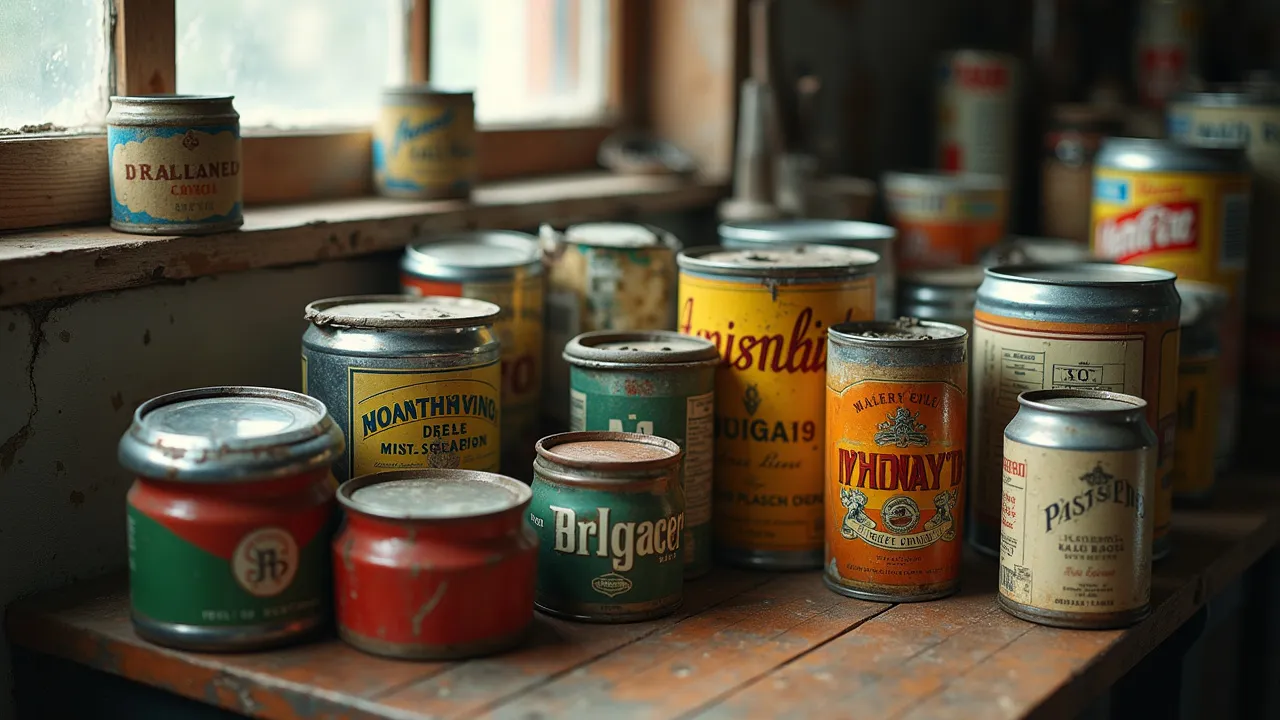
National Tin Can Day on January 19th celebrates the invention and impact of tin cans on food preservation, convenience, and global trade. Explore the history, from early canning to modern recycling.
The Historical Origins & Evolutionary Journey
National Tin Can Day, observed each January 19th, honors one of the most transformative inventions in food preservation: the tin can. This day is not just about a container; it is a celebration of human ingenuity that solved the age-old problem of food spoilage and enabled long-distance trade, military provisioning, and global cuisine.
The Foundational Catalyst
The story begins in the late 18th century when French military leader Napoleon Bonaparte offered a prize of 12,000 francs to anyone who could develop a reliable method of preserving food for his armies. In 1809, confectioner Nicolas Appert discovered that heating food in sealed glass jars prevented spoilage—a breakthrough that laid the groundwork for canning. But glass was fragile. Enter English merchant Peter Durand, who in 1810 patented the use of tin-plated iron cans. The first tin cans were heavy, required a hammer and chisel to open, and were primarily used by the British Royal Navy. By the mid-1800s, canning had spread to the United States, where innovators like Thomas Kensett and Ezra Daggett established the first commercial canning factory in New York.
The Legislative/Official Adoption
While National Tin Can Day did not originate from government proclamation, it gained traction through industry advocacy. The Canned Food Alliance, along with historical societies, promoted January 19th—likely chosen to honor a key patent or invention date. The day began to appear in obscure food holiday calendars in the early 2000s, and by the 2010s, it was widely recognized by food bloggers, museums, and sustainability groups. Today, it serves as an unofficial but globally acknowledged celebration.
Modern Global Legacy
The tin can revolutionized food storage, reducing waste and enabling year-round access to fruits, vegetables, and meats. It was critical during World Wars I and II for feeding troops. In modern times, the canning industry has shifted toward recyclable aluminum and steel, but the tin can—now usually made from steel with a thin tin coating—remains a symbol of resourcefulness. National Tin Can Day now also emphasizes sustainability, upcycling, and the historical importance of canning technology.
How to Celebrate National Tin Can Day
National Tin Can Day offers diverse ways to honor the humble can—from educational activities to creative reuse. Below are actionable ideas for individuals, schools, and organizations worldwide.
For Individuals and Families
- Host a Canned Food Drive: Collect non-perishable items for local food banks. Many communities organize drives on January 19th.
- Cook a Meal Using Only Canned Foods: Challenge yourself to create a gourmet dish from canned ingredients—soups, vegetables, meats, and fruits. Share recipes online.
- Learn to Can at Home (Water Bath Canning): Start with simple projects like canning tomatoes or jam. Follow USDA guidelines for safety.
- Upcycle Tin Cans into Decor: Clean and paint empty cans to use as planters, pencil holders, or lanterns. Puncture holes for candlelight.
For Schools and Educators
- History Lesson on Food Preservation: Teach students about Nicolas Appert, Peter Durand, and the industrial revolution of canning.
- Science Experiment: Demonstrate how vacuum sealing prevents spoilage using a jar and heat.
- Art Project: Create tin can sculptures or assemble a mosaic from flattened can lids.
For Organizations and Corporations
- Employee Engagement: Organize a team-building activity where employees build a "can castle" or create a recycled art installation.
- Sponsor a Recycling Drive: Partner with local recycling centers to encourage proper disposal of tin cans.
- Social Media Campaign: Use hashtags like #NationalTinCanDay and #CanDo to share trivia and celebration photos.
Regional Celebrations
While January 19th is the primary date in North America and Europe, some regions observe variations. For instance, in Japan, Canned Food Day (カンヅメの日) is celebrated on February 6th, honoring the first successful canning of salmon in 1871. In Australia, the Canned Food Month is often celebrated throughout October. Despite date differences, the core theme of resourcefulness and preservation remains universal.
The Science of Canning: How Tin Cans Preserve Food
Understanding the science behind tin cans deepens appreciation for this observance. Canning relies on thermal processing to destroy microorganisms and create a vacuum seal that prevents recontamination.
The Canning Process
- Preparation: Fresh food is cleaned, peeled, and sometimes blanched or cooked.
- Filling: Food is placed into cans, often with brine, syrup, or juice.
- Sealing: The lid is crimped onto the can, but a small opening allows air to escape.
- Heat Processing: Cans are heated in a retort (pressure cooker) to temperatures above 121°C (250°F) for a specified time, killing bacteria, yeasts, and molds.
- Cooling: Rapid cooling creates a vacuum inside the can, pulling the lid tight. This vacuum prevents new bacteria from entering.
Role of the Tin Coating
Tin is used because it resists corrosion from acidic foods (like tomatoes) and provides a smooth, non-reactive surface. Modern cans are typically steel with a thin layer of tin (about 0.25% of total weight) and often lined with a polymer to prevent metallic taste. The tin layer also facilitates soldering in some legacy cans.
Safety and Shelf Life
Properly canned food can last for years without refrigeration. However, dented or bulging cans may indicate botulism risk—never consume from compromised cans. National Tin Can Day also promotes food safety education.
Environmental Impact: Recycling and Sustainability
Tin cans are among the most recycled packaging materials globally, with steel and tin being endlessly recyclable without quality loss. National Tin Can Day highlights both the environmental challenges and successes of the canning industry.
Recycling Statistics
- Steel cans: In the US, over 70% of steel cans are recycled, making steel the most recycled material by weight.
- Aluminum cans: Often confused with tin cans, aluminum cans have a recycling rate of about 50%. (True tin cans are steel-based.)
- Energy savings: Recycling steel uses 60% less energy than producing new steel from iron ore.
How to Recycle Correctly
- Rinse cans to remove food residue.
- Remove paper labels (though many recycling plants handle them).
- Place cans in your curbside recycling bin—do not crush them flat as that can cause sorting issues.
Sustainability Initiatives
Many canning companies now use BPA-free linings and lightweight materials to reduce carbon footprint. National Tin Can Day encourages consumers to choose canned goods, which are often cheaper and have lower food waste impact compared to fresh produce shipped long distances.
Tin Can Art and Upcycling: Creative Transformations
Beyond preservation, tin cans have found a second life in the hands of artists and DIY enthusiasts. National Tin Can Day is a perfect occasion to explore the aesthetic and practical potential of these everyday objects.
Popular Upcycling Projects
- Planters: Paint or decoupage cans to create herb pots or succulent holders. Drill drainage holes.
- Lanterns: Punch patterns into cans and place tealights inside for rustic outdoor lighting.
- Storage Organizers: Group cans together to hold pens, utensils, or craft supplies.
- Wind Chimes: Suspend cans on strings and cut openings for a metallic sound.
Notable Art Movements
Andy Warhol famously used Campbell's soup cans as subjects, elevating the mundane to pop art. Street artists incorporate crushed cans into murals. In developing countries, tin cans are often used to create toys, radios, and even stoves. National Tin Can Day showcases this resourcefulness.
The Global Canning Industry: Economic Impact
The canning industry is a multi-billion-dollar sector, employing millions worldwide. National Tin Can Day provides an opportunity to examine its economic influence.
Key Markets
- United States: The largest canned food market, with over 1,500 canning facilities. Canned tomatoes, beans, and tuna are top products.
- Europe: Italy and Spain lead in canned vegetables and seafood. Germany is a major producer of canned meat.
- Asia: Japan and Thailand dominate canned seafood (e.g., tuna, crab). China is a growing market for canned fruits.
Employment and Trade
The industry directly supports jobs in farming, manufacturing, logistics, and retail. In 2023, global canned food exports exceeded $50 billion. National Tin Can Day reminds us of the supply chain that makes preserved food accessible even in remote areas.
Future Trends
Innovations include smart labels, lighter materials, and plant-based canned meals. The day also highlights the role of canning in disaster relief and food security.
Historical Timeline
Nicolas Appert wins Napoleon's prize by preserving food in sealed glass jars, pioneering the principles of canning.
Peter Durand patents the tin can in England, using tin-plated iron to create airtight containers.
Thomas Kensett and Ezra Daggett establish the first commercial canning factory in New York City, producing canned oysters, meats, fruits, and vegetables.
John L. Mason invents the Mason jar, a glass canning jar with a threaded lid, popularizing home canning.
The first can opener is invented by William Lyman, making tin cans easier to access.
The first fully automated canning line is installed, drastically increasing production efficiency.
Introduction of the beer can by American breweries, revolutionizing beverage packaging.
Aluminum cans emerge as a lightweight alternative; tin cans evolve into steel cans with thin tin coating.
The Canned Food Alliance promotes January 19th as National Tin Can Day, gradually gaining recognition.