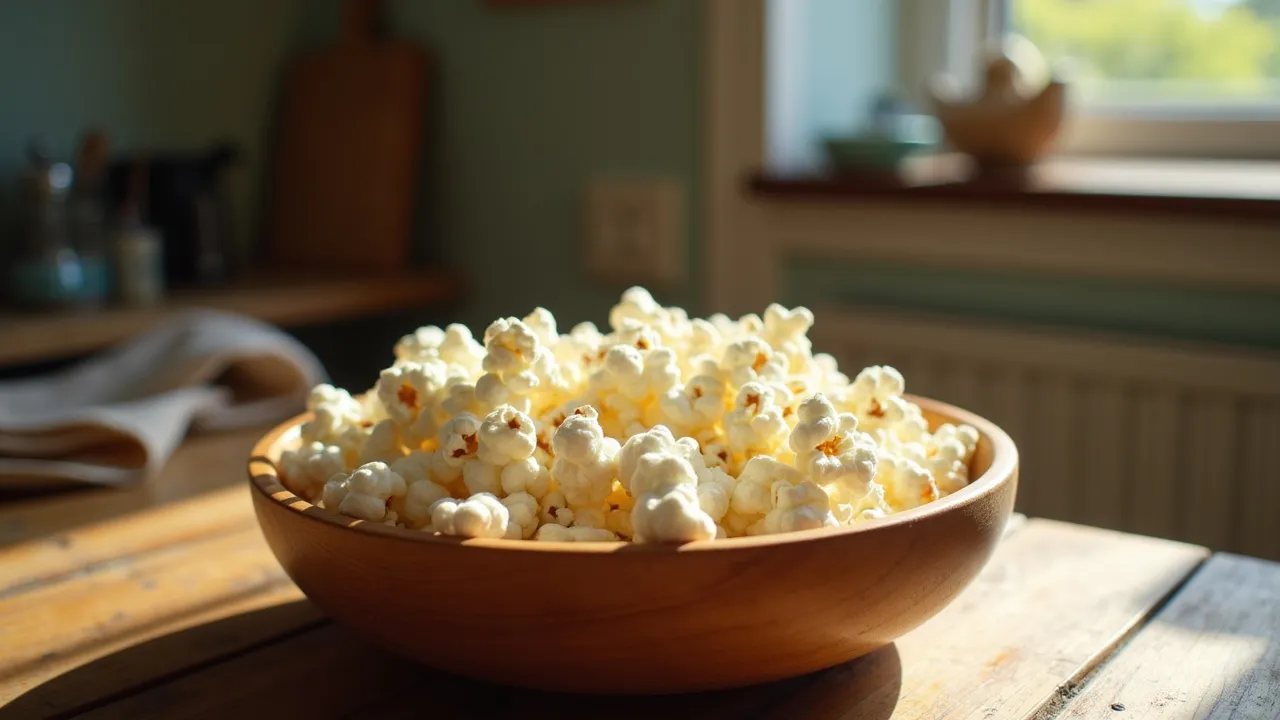
National Popcorn Day on January 19th celebrates one of America's favorite snacks. From movie theaters to home kitchens, this day honors the history, versatility, and joy of popcorn.
The Historical Origins & Evolutionary Journey
National Popcorn Day, observed annually on January 19th, is a celebration of one of the world's oldest and most beloved snack foods. Popcorn's history stretches back thousands of years, with evidence of popped kernels found in ancient Peru and Mexico. However, the modern holiday as we know it was established in the United States during the late 20th century, largely driven by the popcorn industry's marketing efforts.
The Foundational Catalyst
Popcorn's journey from ancient grain to global snack is remarkable. Native Americans were the first to pop corn, using heated sand or clay pots. European settlers adopted the practice, and by the 19th century, popcorn was a popular street food. The invention of the mobile popcorn machine by Charles Cretors in 1885 transformed popcorn into a mass-market treat. During the Great Depression, popcorn was one of the few affordable luxuries, and its popularity soared in movie theaters.
The Legislative/Official Adoption
National Popcorn Day lacks an official congressional designation, but it was promoted by the Popcorn Board, a trade association representing popcorn growers and processors. The board launched the holiday in the early 1990s to boost consumption and public awareness. January 19th was chosen because it falls in the middle of winter, a peak time for indoor snacking and movie-watching. Over time, the day gained traction through media coverage and retail promotions.
Modern Global Legacy
Today, National Popcorn Day is celebrated not only in the United States but also in countries like Canada and the United Kingdom, where popcorn is a staple snack. The day has evolved to include a focus on health benefits, popcorn recipes, and fundraising events. Many schools and community organizations use the day to teach about agriculture and healthy snacking. The holiday continues to grow, fueled by social media campaigns and partnerships with movie theaters.
How to Celebrate National Popcorn Day
Celebrating National Popcorn Day on January 19th can be as simple or elaborate as you like. Here is a comprehensive guide to making the most of this crunchy holiday.
For Individuals and Families
- Try a new popcorn flavor: Move beyond butter. Experiment with spices like chili lime, truffle salt, or cinnamon sugar.
- Host a movie marathon: Pick a theme and pair each film with a different popcorn style (e.g., classic butter, caramel, cheese).
- DIY popcorn bar: Set out bowls of toppings (melted chocolate, crushed candy, herbs) and let everyone create custom mixes.
- Visit a local theater: Many cinemas offer free or discounted popcorn on this day. Check your nearest theater for deals.
For Schools and Organizations
- Popcorn fundraiser: Sell bags of popcorn to raise money for a cause. Tie it with educational material about corn farming.
- History lesson: Incorporate the history of popcorn into a classroom activity, including the science of popping.
- Popcorn craft day: Use popcorn for art projects like garlands or mosaics (non-toxic glue required).
For Businesses and Social Media
- Offer a popcorn-themed promotion: Restaurants and cafes can create a special popcorn dessert or drink.
- Run a contest: Ask followers to share their favorite popcorn recipe or memory using a branded hashtag.
- Sponsor a community screening: Partner with a local theater or park for an outdoor movie night with free popcorn.
No matter how you choose to celebrate, the key is to enjoy popcorn with others and appreciate its unique place in food culture.
Health Benefits and Nutritional Value of Popcorn
Popcorn often gets a bad reputation because of butter-laden movie theater versions, but when prepared healthily, it is a remarkably nutritious snack.
Whole Grain Goodness
Popcorn is a whole grain, meaning it contains the entire grain kernel—bran, germ, and endosperm. Whole grains are linked to reduced risks of heart disease, diabetes, and certain cancers. A three-cup serving of air-popped popcorn provides about 3.5 grams of fiber, which aids digestion and promotes satiety.
Low Calorie and Nutrient Dense
Without added fats, popcorn is low in calories (about 90 calories per three cups) and contains polyphenols, antioxidants that combat oxidative stress. It also provides small amounts of B vitamins, magnesium, and zinc. However, microwave or pre-packaged popcorns often contain trans fats and excessive sodium, so homemade air-popped varieties are best.
Tips for Healthy Popcorn
- Use an air popper or a brown paper bag in the microwave.
- Season with herbs, spices, or nutritional yeast instead of butter.
- Avoid heavy oils or margarine.
In moderation, popcorn can be a guilt-free snack that fits into a balanced diet.
Economic Impact of the Popcorn Industry
The popcorn industry is a significant contributor to the U.S. economy, with the United States being the world's largest producer and exporter of popcorn. According to the Popcorn Board, Americans consume about 15 billion quarts of popcorn annually—nearly 50 quarts per person.
Agriculture and Manufacturing
Popcorn is grown primarily in the Midwest, with states like Nebraska, Indiana, and Illinois leading production. The corn used for popping is a specific variety (Zea mays everta), which requires specialized cultivation. The processing, packaging, and distribution of popcorn employ thousands of workers across the country.
Retail and Theater Sales
Sales of popcorn in grocery stores and convenience stores generate billions of dollars each year. Movie theaters rely heavily on popcorn sales as a high-margin revenue source, often subsidizing ticket prices. During the COVID-19 pandemic, popcorn consumption shifted to home use, boosting sales for microwave and bagged popcorn brands.
Global Trade
Popcorn is exported to over 70 countries, with Canada, Japan, and Mexico being top buyers. National Popcorn Day promotions help sustain demand and introduce new markets to the product. The industry also invests in sustainable farming practices to reduce water and pesticide use.
Popcorn in Pop Culture and Entertainment
Popcorn is inseparable from the movie-going experience. Its association with cinema dates back to the early 20th century when vendors sold popcorn outside theaters. Today, the smell of popcorn wafting through a lobby is a sensory cue that excites audiences.
Iconic Moments
- In the 1994 film The Shawshank Redemption, the character Andy Dufresne uses a scene of popcorn eating to symbolize mundane prison life.
- Popcorn appears in countless TV shows as a snack during movie nights, reinforcing its comfort-food status.
- Celebrities and influencers often post popcorn-related content on social media on National Popcorn Day, driving engagement.
Popcorn and Innovation
Popcorn has also inspired snack inventions like Popcorn Balls, Cracker Jack, and Kettle Corn. Food companies constantly develop new flavors and packaging to capture consumer interest. The day itself has been leveraged by brands to launch limited-edition products.
Regional Celebrations and Variations
While National Popcorn Day is primarily a U.S. observance, other countries celebrate their own popcorn days or incorporate popcorn into existing festivals.
United States
In the U.S., January 19th is marked by discounts at movie theaters, grocery store promotions, and social media campaigns. Many schools hold popcorn-themed fundraisers. The Popcorn Board provides educational materials for teachers.
Canada
Canada also observes National Popcorn Day on the same date, with similar promotions. Popcorn is popular in Canadian hockey culture, often sold at games.
United Kingdom
In the UK, popcorn is a common cinema snack, but the day is less commercialized. Some brands run online giveaways. The British have a preference for sweet popcorn (e.g., toffee or chocolate coatings).
Other Countries
In Mexico, popcorn (called palomitas) is enjoyed with chili and lime. Some countries, like India, have growing popcorn markets but do not officially observe the day. Instead, popcorn is used in street food and traditional snacks.
Note: Some regions may celebrate on different dates, but the widely recognized date is January 19th, as promoted by the Popcorn Board.
Historical Timeline
Earliest archaeological evidence of popcorn in ancient Peru and Mexico.
Charles Cretors invents the first mobile popcorn machine, revolutionizing popcorn production.
Popcorn begins being sold in movie theaters, quickly becoming a staple snack.
Percy Spencer invents the microwave oven, paving the way for microwave popcorn.
Microwave popcorn is introduced to the market, changing home snacking habits.
The Popcorn Board establishes National Popcorn Day on January 19th to promote popcorn consumption.
National Popcorn Day gains widespread recognition through social media and retail promotions.