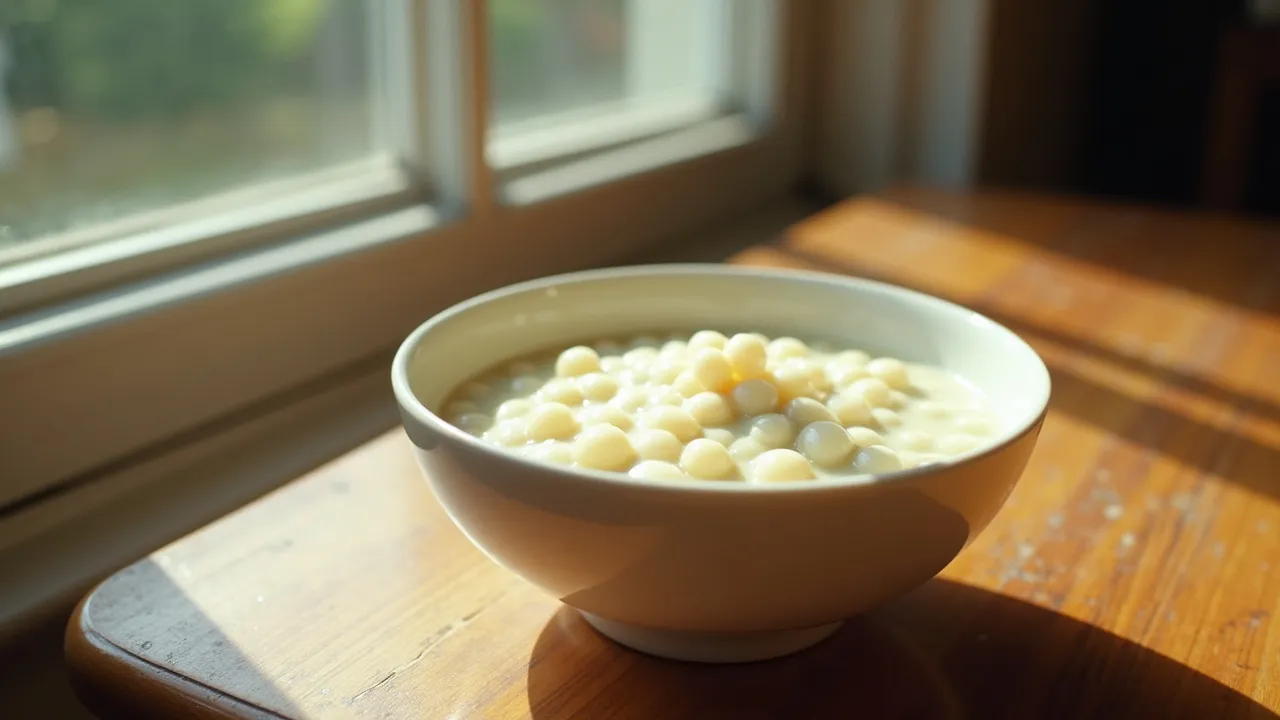
National Tapioca Day, observed on June 28th, celebrates the versatile cassava starch pudding beloved worldwide. Learn about its origins, cultural significance, and creative ways to honor this humble yet beloved dessert.
The Historical Origins & Evolutionary Journey
The Foundational Catalyst: Cassava’s Ancient Roots
Tapioca derives from the cassava plant (Manihot esculenta), indigenous to South America. Archaeological evidence suggests cassava cultivation dates back over 10,000 years. Indigenous tribes, particularly in Brazil, extracted the starchy root to create coarse flour and a starch known as ‘tapioca’—a term from the Tupi language meaning ‘to soak’ or ‘to process.’ The starch was often mixed with water and cooked into flatbreads or porridges.
The Legislative/Official Adoption of a National Day
National Tapioca Day emerged in the United States as an unofficial food holiday promoted by the National Day Calendar around 2015. Unlike federal observances, it was driven by social media and food bloggers eager to celebrate a comfort food. The date June 28 was chosen arbitrarily, likely to fill the summer calendar with a fun, easy-to-celebrate treat.
Modern Global Legacy & Regional Variations
Tapioca’s journey from South America to global kitchens is remarkable. Portuguese colonizers introduced cassava to Africa and Asia, where it became a staple. In Brazil, ‘tapioca’ refers to thin crepes made from hydrated starch; in India, ‘sabudana’ pearls are used in fasting meals; in Southeast Asia, tapioca is a common dessert ingredient. While June 28 is the US-centric day, many countries have their own tapioca celebrations—often linked to harvests or religious festivals.
How to Celebrate National Tapioca Day
Whether you’re a novice or a seasoned tapioca enthusiast, here are actionable ways to honor the day:
At Home
- Classic Tapioca Pudding: Start with a simple recipe using small pearls, milk, sugar, vanilla, and eggs. Simmer until thick, then chill.
- Bubble Tea: Make your own boba at home by cooking large tapioca pearls, then soaking them in honey or brown sugar syrup.
- Savory Tapioca: Try Brazilian tapioca crepes (tapioca com queijo) or Indian sabudana khichdi.
With Friends & Family
- Host a Tapioca Tasting Party featuring versions from different cuisines.
- Organize a virtual cooking class focusing on tapioca desserts.
- Share your creations on social media with #NationalTapiocaDay.
In Schools & Communities
- Teach kids about cassava farming and the science of starch gelatinization.
- Hold a bake sale with tapioca-based goods to raise funds for food security programs.
- Partner with local Brazilian or Indian restaurants to offer specials.
Global Tapioca Traditions & Regional Date Variations
While June 28 is the US National Tapioca Day, other regions celebrate tapioca on different dates:
- Brazil: Tapioca (or ‘beiju’) is eaten year-round, but the Festa da Tapioca in the northeast often occurs in August.
- India: Sabudana (tapioca pearls) is especially popular during fasting seasons like Navratri and Maha Shivaratri—dates vary by lunar calendar.
- Philippines: Tapioca-based desserts like sago’t gulaman are common at fiestas—no single national day.
- Vietnam: Bột lọc (tapioca dumplings) are enjoyed during Tết (Lunar New Year).
- Nigeria: Tapioca is used in ‘fufu’ and ‘eba’ but no dedicated observance day.
Thus, the US edition of National Tapioca Day stands alone as a dedicated celebration, but fans worldwide can adapt its spirit to local traditions.
Nutritional Profile & Health Considerations
Tapioca is almost pure starch, providing quick energy but little protein or fiber. However, it’s naturally gluten-free and grain-free, making it a staple for those with celiac disease or gluten sensitivity. Key facts:
- Calories: 100g of dry pearls yield about 350 calories.
- Carbohydrates: 86g per 100g (mostly amylose and amylopectin).
- Micronutrients: Small amounts of calcium, iron, and vitamin B6.
- Glycemic Index: High (around 70-85).
Moderation is advised, especially for diabetics. Pair tapioca with protein and fat to slow glucose absorption.
Economic & Agricultural Impact of Cassava
Cassava is the third-largest source of carbohydrates in the tropics, supporting over 800 million people worldwide. Economic significance:
- Top Producers: Nigeria, Thailand, Indonesia, Brazil, and Ghana.
- Uses: Food (tapioca, garri), animal feed, ethanol biofuel, industrial starch.
- Trade: Thailand exports over 70% of its cassava as starch or pellets.
- Challenges: Susceptible to pests (cassava mealybug) and diseases (mosaic virus).
National Tapioca Day can highlight fair-trade practices and sustainable farming.
Cultural Symbolism & Literary References
Tapioca appears in literature and pop culture as a symbol of comfort, simplicity, and nostalgia. In The Catcher in the Rye, Holden Caulfield orders a malted milk and tapioca dessert. The food has been featured in TV shows like The Simpsons (Krusty the Clown's Tapioca Surprise) and Friends (Rachel's English trifle mishap includes tapioca). In many cultures, tapioca represents hospitality—shared during family gatherings and religious festivals.
Historical Timeline
Indigenous peoples in South America begin cultivating cassava (Manihot esculenta) in the Amazon basin.
Portuguese explorers bring cassava to Africa and Asia, where it becomes a staple crop.
Tapioca pearls are introduced to Europe, used as a thickener for puddings and soups.
First US patent for a tapioca pudding mix is filed by the National Biscuit Company (Nabisco).
Tapioca becomes a popular dessert in American school lunches and diners.
Instant tapioca (minute tapioca) is commercialized, making home preparation quicker.
Bubble tea (boba) originates in Taiwan, catapulting tapioca pearls to global fame.
National Tapioca Day is registered on the National Day Calendar, observed annually on June 28.
Tapioca flour gains popularity in gluten-free and grain-free baking, especially paleo and keto diets.