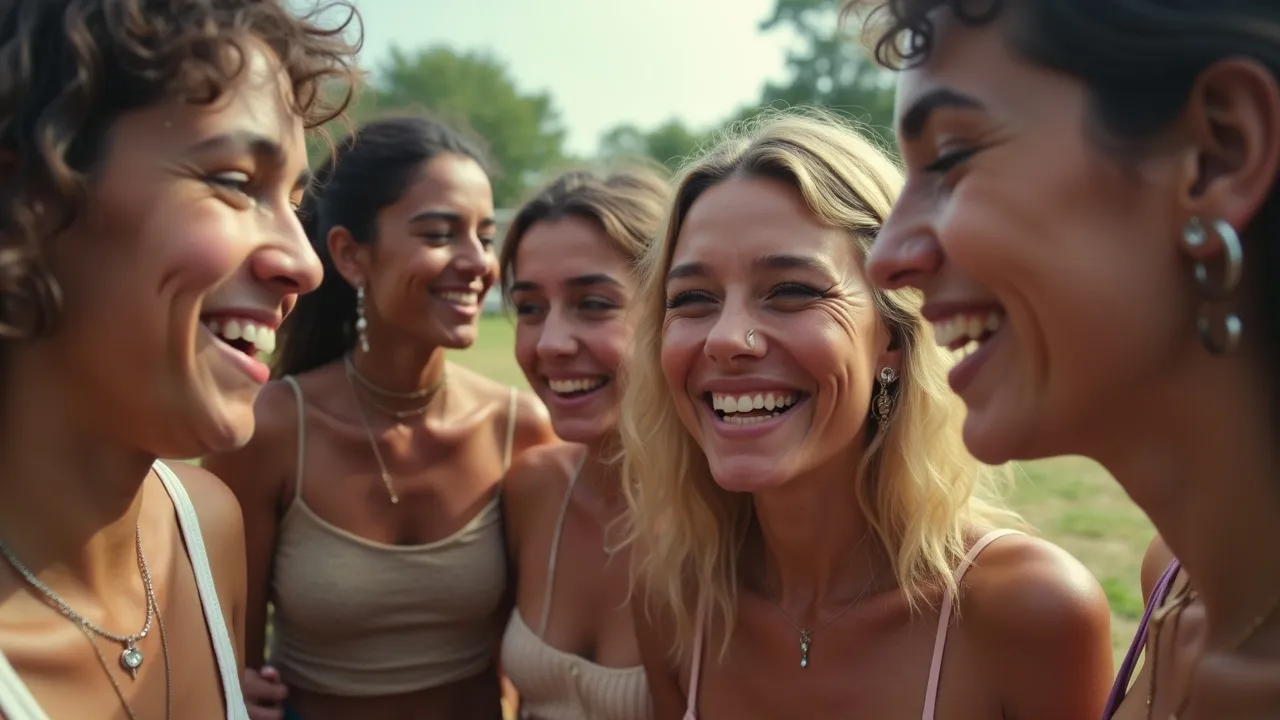
International Body Piercing Day on June 28th celebrates the art and culture of body piercing. Join enthusiasts worldwide to honor this ancient practice, learn about safe piercing techniques, and express individuality through body modification.
The Historical Origins & Evolutionary Journey
International Body Piercing Day, observed on June 28th, is a global celebration of the ancient art and modern practice of body piercing. While the official day is relatively new, the history of body piercing spans thousands of years across virtually every culture. This section explores the deep roots and evolution of body piercing.
Ancient Beginnings
Body piercing is one of the oldest forms of body modification. Archaeological evidence suggests that piercing was practiced as early as 5000 years ago. The oldest known mummified body, Ötzi the Iceman (c. 3300 BCE), had pierced ears. In ancient civilizations:
- Ancient Egypt: Ear and navel piercings were symbols of royalty and status (c. 2000 BCE). Pharaohs and nobles adorned themselves with gold and precious stones.
- Ancient Rome: Nipple piercings were worn by gladiators as a symbol of strength and courage. Earrings were common among soldiers.
- Ancient India: Nose piercings have been practiced for centuries, often linked to Ayurveda and marital status.
- Indigenous Cultures: Among the Aztecs, Maya, and various Native American tribes, lip, septum, and ear piercings held spiritual and social significance.
- African Tribes: Lip plates, ear stretching, and nostril piercings were common rites of passage and identifiers of ethnic identity.
Revival in the 20th Century
Body piercing experienced a major revival in the Western world during the late 20th century. Key milestones include:
- 1970s: The punk subculture adopted safety pin piercings as a form of rebellion against mainstream society.
- 1980s: The rise of the body piercing industry with professional studios, pioneered by figures like Jim Ward and Fakir Musafar. The first professional piercing studio, Gauntlet, opened in Los Angeles in 1978.
- 1990s: Body piercing entered mainstream fashion, especially navel and eyebrow piercings, driven by celebrities and MTV culture.
- 2000s: The industry saw explosive growth, with new piercings (e.g., dermal anchors, microdermals, surface piercings) and advanced safety standards.
The Establishment of International Body Piercing Day
The exact origin of International Body Piercing Day is somewhat obscure, but it is widely recognized as being created by piercing industry professionals in the early 2010s to promote education, safety, and community. June 28th was chosen to coincide with the midpoint of summer, a popular time for new piercings as people enjoy warmer weather and greater skin exposure. The day was first officially celebrated in 2015 with events in major cities like London, New York, and Los Angeles, including piercing workshops, safety seminars, and body art exhibitions.
Modern Global Legacy
Today, body piercing is a multi-billion dollar industry with millions of enthusiasts worldwide. International Body Piercing Day serves as a platform to:
- Promote safe piercing practices and hygiene standards.
- Celebrate artistic expression and individuality.
- Educate the public about aftercare and risks.
- Honor the cultural heritage of body modification.
With the rise of social media, the day has grown exponentially, with hashtags like #BodyPiercingDay and #InternationalBodyPiercingDay trending annually, sharing thousands of photos and stories.
How to Celebrate International Body Piercing Day
International Body Piercing Day on June 28th offers a unique opportunity to explore the world of body piercing, whether you are a seasoned enthusiast or a curious newcomer. Here is a comprehensive guide to celebrating this day responsibly and joyfully.
For Individuals
- Get a New Piercing: Visit a professional, licensed piercer. Choose a studio that uses sterile equipment and high-quality jewelry. Popular options include nostril, helix, daith, or navel piercings.
- Attend a Piercing Party or Workshop: Many studios host events on this day, offering discounts, demonstrations, and aftercare advice.
- Upgrade Your Jewelry: Swap out your old studs for new, high-quality pieces like titanium or gold. Consider stacking or mixing metals for a unique look.
- Share Your Piercing Story: Post a photo of your favorite piercing on social media with the hashtag #InternationalBodyPiercingDay. Tell your followers about the meaning behind it.
- Learn About Piercing History: Read books or watch documentaries about the cultural significance of body modification.
For Enthusiasts and Collectors
- Organize a Piercing Meetup: Gather friends or local piercing enthusiasts for a social event. Exchange tips on healing, stretching, and jewelry.
- Visit a Body Art Exhibition: Check local galleries or museums for exhibits on body modification. Many cities host special shows on June 28th.
- Donate to Piercing Education: Support organizations that provide safety training and resources for piercers, such as The Association of Professional Piercers (APP).
For Studios and Professionals
- Offer Free Consultations: Provide complimentary appointments to educate potential clients about piercing options and aftercare.
- Host a Safety Seminar: Cover topics like sterilization, jewelry materials, and red flags for infections.
- Create a Social Media Campaign: Share before-and-after photos, client testimonials, and piercing myths debunked.
- Launch a Limited-Edition Jewelry Line: Design exclusive pieces for the day.
Cultural Variations Worldwide
Different countries have unique traditions related to International Body Piercing Day:
- United Kingdom: Many studios host 'piercing parties' with live music and body art competitions. The day is also used to raise awareness about bloodborne pathogen safety.
- India: Nose and ear piercings are deeply traditional. On this day, some studios offer kundan jewelry setting and Ayurvedic aftercare.
- Japan: While still conservative, the day sees an increase in fine gauge and minimalist piercings, often in high-end jewelry boutiques.
- Brazil: Known for its vibrant body modification scene, Brazilians celebrate with large gatherings featuring live piercing demonstrations and discussions on health regulations.
- Australia: With a strong emphasis on safety, studios often run 'Piercing 101' classes and free aftercare kits.
Global Impact & Industry Transformations
International Body Piercing Day has had a significant impact on the body modification industry and society at large. This section examines the broader implications of the observance.
Economic Influence
The global body piercing market is estimated to be worth over $1 billion annually. International Body Piercing Day drives a surge in sales for studios, jewelry manufacturers, and aftercare products. Many businesses report a 20-30% increase in revenue on and around June 28th.
Health and Safety Improvements
The day has become a catalyst for promoting rigorous health standards. Key initiatives include:
- APP Certification: The Association of Professional Piercers uses June 28th to launch campaigns encouraging consumers to look for APP members.
- Sterilization Workshops: Studios offer public demonstrations on autoclave use and single-use needles.
- Aftercare Education: Social media campaigns debunk myths like twisting earrings or using alcohol to clean.
Cultural Acceptance
Body piercing has moved from subculture to mainstream. International Body Piercing Day helps normalize piercing in workplaces, schools, and social settings. It encourages dialogue between piercers and medical professionals, reducing stigma.
Social Media and Community Building
Platforms like Instagram, Pinterest, and TikTok have communities dedicated to piercing. On June 28th, hashtags like #PiercingDay and #BodyModifications trend globally, creating a sense of belonging. Virtual events, webinars, and live streams connect enthusiasts worldwide.
Health & Safety: Essential Guidelines for Body Piercing
With celebration comes responsibility. This section outlines crucial health and safety protocols for anyone considering or caring for a piercing.
Choosing a Professional Piercer
- Check Credentials: Ensure the piercer is licensed (if required by your state/country) and a member of the APP or equivalent.
- Studio Hygiene: The studio should have sterile, single-use needles, an autoclave (with recent spore test results), and a clean, separate piercing area.
- Jewelry Quality: Use implant-grade titanium, 14k gold, or niobium. Avoid nickel or cheap metals that can cause allergic reactions.
Aftercare Best Practices
- Clean Twice Daily: Use saline solution or a mild, unscented soap. Avoid alcohol, hydrogen peroxide, or harsh chemicals.
- Don't Touch: Avoid rotating or playing with the jewelry. This can introduce bacteria.
- Healing Times Vary: Earlobes heal in 6-8 weeks; cartilage takes 4-12 months; navel takes 6-12 months; nose takes 4-8 months.
- Watch for Infection Signs: Redness, swelling, pain, discharge (green/yellow). If symptoms worsen, see a doctor.
Common Risks and How to Avoid Them
- Infection: Prevent by strict handwashing and using sterile equipment.
- Allergic Reactions: Choose biocompatible materials; do a patch test if sensitive.
- Migration or Rejection: More common in surface piercings; choose experienced piercers for correct placement.
- Scarring: Keloids can form; avoid trauma and follow aftercare.
The Art & Aesthetic: Styles, Trends, and Innovation
Body piercing is a dynamic form of self-expression that continually evolves. This section explores contemporary trends and the artistry behind the practice.
Popular Piercing Styles of 2025
- Curated Ear: Multiple piercings (helix, daith, conch, rook) with coordinated jewelry for a personalized look.
- Septum Piercing: Retaining its edgy appeal, often adorned with seamless rings or clickers.
- Nostril Piercing: Classic, but trending with chains and studs that mimic nose rings.
- Industrial Piercing: Two helix piercings connected by a barbell; remains a staple for alternative styles.
- Navel Piercing: Making a comeback with larger, detailed jewelry like drop pendants.
Innovations in Jewelry
Advances in materials and design include:
- 3D Printed Jewelry: Custom pieces in titanium and bioplastics.
- Bio-compatible Plastics: PTFE and BioFlex for initial piercings and flexibility.
- Magnetic Piercings: For faux piercing looks without the commitment.
- Smart Jewelry: RFID chips embedded in plugs for hands-free access.
Piercing as Art
Professional piercers are increasingly recognized as body artists. The day highlights creativity in placement and jewelry arrangement. Some artists create 'piercing constellations' that map to personal stories or cultural motifs.
Cultural Significance Across Civilizations
Body piercing has deep roots in rituals, status, and identity. This section examines piercing's cultural roles across time and geography.
Rites of Passage
In many cultures, piercings mark transitions:
Maasai (Kenya/Tanzania): Ear piercings for both genders signify age and status.
Hindu Tradition: Karna Vedha (ear piercing) is a samskara performed in infancy.
Inuit: Labret piercings were part of coming-of-age ceremonies.
Ancient Mayans: Tongue and septum piercings were performed during bloodletting rituals.
Spiritual and Protective Beliefs
Amulets: Nose rings in Ayurvedic tradition are believed to ease childbirth.
Protection: Earrings in many cultures guard against evil spirits.
Royalty: In ancient Egypt, only pharaohs could wear gold earrings, symbolizing divine authority.
Modern Subcultures
Punk and Goth: Body piercings as rebellion and anti-establishment.
LGBTQ+ Communities: Piercings have been used to express identity and solidarity.
Bodymod Communities: Stretching, facial piercings, and unusual placements as art.
Historical Timeline
Ötzi the Iceman, a mummified body discovered in the Alps, has pierced ears, providing the oldest archaeological evidence of body piercing.
Ancient Egyptian pharaohs and nobles wear gold earrings and navel piercings as symbols of status.
An Anglo-Saxon king, Aldfrith, is depicted with a pierced ear, showing Germanic tribal traditions.
The first documented modern ear piercing trend emerges in Victorian England, linked to sailors and travelers.
Jim Ward opens Gauntlet, the first professional body piercing studio, in Los Angeles, revolutionizing the industry.
The Association of Professional Piercers (APP) is founded to establish safety standards and education.
Navel piercings explode in popularity after celebrities like Britney Spears and Christina Aguilera sport them on red carpets.
First official International Body Piercing Day celebration on June 28th, promoted by industry groups and online communities.
During the pandemic, virtual piercing consultations and gloveless piercing techniques emerge to maintain safety.
International Body Piercing Day features global virtual events, including 3D jewelry design contests and safety webinars.