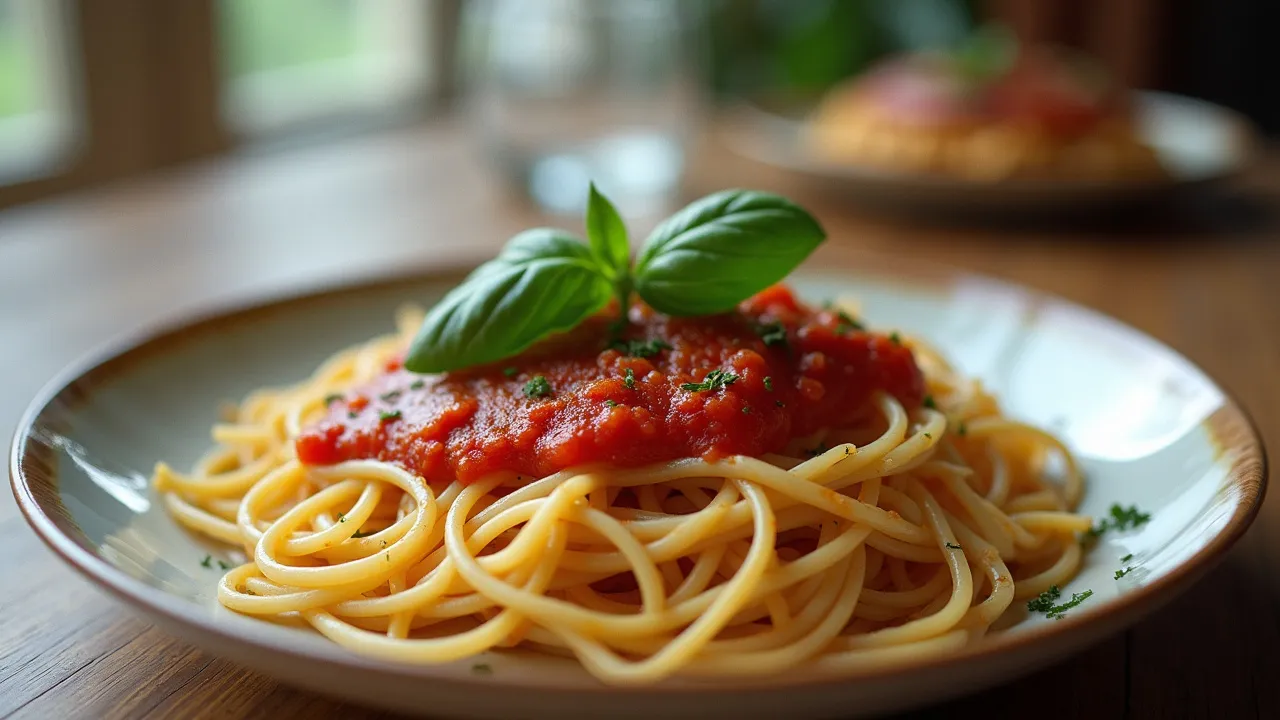
National Spaghetti Day is celebrated annually on January 4th, honoring one of the world’s most beloved pasta dishes. This day encourages people to enjoy spaghetti in all its forms, from classic Italian recipes to modern fusion variations.
The Historical Origins & Evolutionary Journey
National Spaghetti Day, observed on January 4th, is a celebration of one of the most iconic and versatile pasta shapes in the world. The day has no single documented founder, but it began gaining traction in the late 20th century through food blogs, pasta company promotions, and public enthusiasm for Italian cuisine. The date itself may have been chosen to break the post-holiday culinary monotony, offering a simple yet satisfying meal to start the new year.
The Foundational Catalyst
Spaghetti's origins trace back to ancient times. While popular legend credits Marco Polo with introducing pasta to Italy from China, historical evidence shows that pasta existed in Italy long before his travels. The Etruscans and Romans made a similar dish called "laganum," and by the 8th century, durum wheat pasta was documented in Sicily. The word "spaghetti" comes from the Italian word "spago," meaning "thin string" or "twine," reflecting its slender shape. The Industrial Revolution in the 19th century revolutionized pasta production, making spaghetti affordable and accessible, leading to its global spread.
The Legislative/Official Adoption
National Spaghetti Day is not an official federal holiday in any country. Instead, it evolved organically as a food-themed observance similar to National Pizza Day or National Chocolate Day. The first recorded mentions appear in American food calendars in the 1990s, likely spurred by the National Pasta Association and Italian-American cultural organizations. By the early 2000s, social media and food influencers amplified its recognition, cementing January 4th as a day for spaghetti lovers.
Modern Global Legacy
Today, National Spaghetti Day is celebrated worldwide, with restaurants offering special menus, home cooks trying new recipes, and social media filled with #NationalSpaghettiDay posts. The dish has transcended its Italian roots, becoming a staple in cuisines from the United States (spaghetti and meatballs) to Japan (spaghetti with mentaiko). The day also serves as a reminder of the cultural exchange and adaptability of food.
How to Celebrate National Spaghetti Day
National Spaghetti Day offers countless ways to honor this beloved noodle. Whether you prefer traditional Italian preparations or experimental fusions, here are the ultimate strategies for a memorable celebration.
For Home Cooks
- Master a Classic Recipe: Try your hand at Spaghetti Aglio e Olio (garlic and oil) or Spaghetti Carbonara. Use high-quality durum wheat pasta and fresh ingredients.
- Host a Spaghetti Party: Invite friends and family for a casual dinner. Set up a pasta bar with various sauces (marinara, Alfredo, pesto) and toppings (meatballs, shrimp, roasted vegetables).
- Bake a Spaghetti Casserole: For a comfort-food twist, make baked spaghetti with layers of cheese, sauce, and pasta.
For Schools and Organizations
- Spaghetti Fundraiser: Host a spaghetti dinner to raise money for a cause. Charge per plate and offer takeout.
- Cooking Workshops: Organize a class teaching kids the history of pasta and how to make fresh spaghetti from scratch.
- Cultural Day: Pair spaghetti with a lesson on Italian culture, geography, and language.
For Restaurants and Businesses
- Special Menu Deals: Offer a discounted spaghetti platter or a unique chef’s creation.
- Social Media Contest: Ask customers to post their best spaghetti photos with a branded hashtag, awarding a free meal.
- Collaborations: Partner with local wine shops for a pasta-and-wine pairing event.
Global Variations
Different cultures enjoy spaghetti in unique ways:
• Italy: Spaghetti is often served simply with fresh tomatoes, basil, and olive oil.
• United States: Spaghetti and meatballs with marinara sauce is iconic.
• Thailand: Spaghetti with spicy basil and chili (Pad Krapao).
• Philippines: Sweet-style spaghetti with banana ketchup and hot dogs.
Nutritional Profile & Health Considerations
Spaghetti, particularly whole-wheat varieties, offers complex carbohydrates, fiber, and some protein. It is naturally low in fat and sodium when eaten plain. However, the health impact largely depends on sauces and accompaniments.
Key Nutrients
- Carbohydrates: Essential for energy, spaghetti provides sustained fuel for the body.
- Fiber: Whole-wheat spaghetti contains more fiber, aiding digestion and heart health.
- B Vitamins: Enriched pasta has B vitamins like folic acid, niacin, and thiamine.
Tips for a Healthier Plate
- Choose whole-grain or legume-based spaghetti for more protein and fiber.
- Pair with vegetable-heavy sauces (e.g., primavera) rather than cream-based ones.
- Control portion sizes—about 2 ounces dry per serving.
- Add lean protein like grilled chicken or tofu.
Common Dietary Concerns
For gluten-sensitive individuals, gluten-free spaghetti made from rice, corn, or quinoa is widely available. Spaghetti can be part of a balanced diet if consumed in moderation and paired with nutrient-dense ingredients.
Cultural Significance & Global Influence
Spaghetti is more than a meal; it is a cultural symbol of Italian heritage and global culinary fusion. Its simplicity and adaptability have made it a blank canvas for flavors worldwide. In Italy, spaghetti is deeply tied to family and regional traditions—each area boasts its own sauce (e.g., carbonara from Rome, puttanesca from Naples). In the United States, spaghetti and meatballs became a symbol of Italian-American identity after mass immigration in the late 19th century.
Spaghetti in Popular Culture
Spaghetti has appeared in countless movies and TV shows—from Lady and the Tramp's iconic shared noodle kiss to The Godfather's tense dinner scenes. It also features in idioms like "spaghetti western" (referring to Italian-made Western films) and "spaghetti code" (messy computer programming).
Economic Impact
The global pasta market is worth billions, with spaghetti being the most popular shape. National Spaghetti Day boosts sales for pasta producers, sauce manufacturers, and restaurants. Supermarkets often run promotions, and food media channels publish hundreds of recipes during the first week of January.
Environmental & Sustainability Aspects
Pasta production has a relatively low carbon footprint compared to many animal-based foods, but sustainability challenges remain.
Water Usage
Growing durum wheat requires significant water, but efficient irrigation techniques are improving. Some companies source from regions with sustainable water management.
Packaging
Most dried spaghetti comes in cardboard boxes with a plastic window. Eco-friendly alternatives include fully recyclable paper packaging or bulk bins in stores.
Waste Reduction Tips
- Cook only what you need, and save leftover spaghetti for stir-fries or frittatas.
- Compost pasta scraps (only plain pasta, not sauced).
- Support brands that use renewable energy in manufacturing.
On National Spaghetti Day, consider choosing organic or locally-made pasta when possible.
Interesting Facts & Record-Breaking Feats
Longest Spaghetti: The longest spaghetti noodle ever made was 3,350 meters (over 2 miles) long, created in Italy in 2015.
Largest Bowl of Spaghetti: A 2017 event in California produced a bowl weighing over 7,500 pounds.
Spaghetti Consumption: Italy consumes the most pasta per capita (about 23 kg per person per year), followed by the US and Brazil.
Spaghetti vs. Spaghettini: Spaghettini is a thinner version; spaghetti is typically 1.8–2.0 mm thick.
Historical Timeline
Earliest records of dried pasta (likely similar to spaghetti) in Sicily, made from durum wheat.
Industrial pasta-making revolution: machines like the press and dryer mass-produce spaghetti, making it affordable for the public.
Spaghetti and meatballs become a staple of Italian-American cuisine, popularized by immigrants and restaurants.
National Spaghetti Day appears on informal food calendars in the United States, likely promoted by pasta companies and social media early adopters.
Social media platforms like Instagram and Facebook boost the day's visibility with user-generated content using #NationalSpaghettiDay.
A 3,350-meter-long spaghetti noodle is made in Italy, setting a Guinness World Record for the longest pasta.
During the COVID-19 pandemic, spaghetti sales surge as people cook at home, and National Spaghetti Day sees record online engagement.