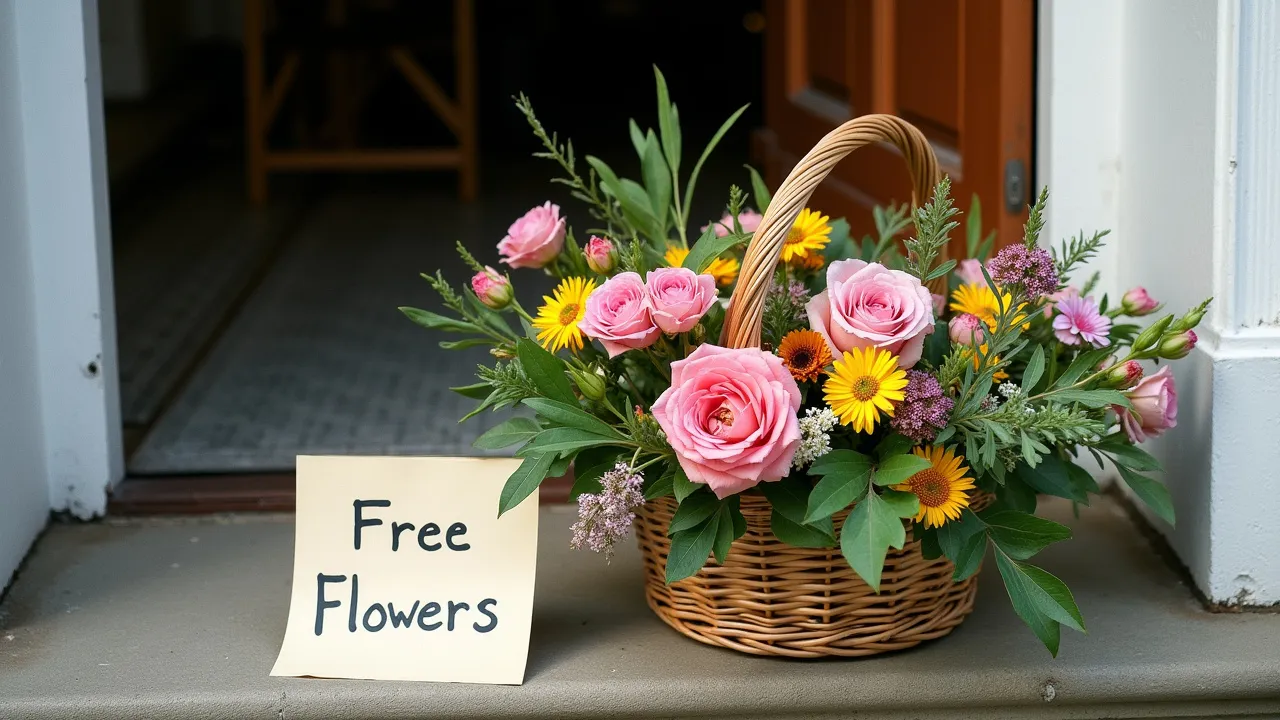
Free Flower Basket Day on January 4th encourages spreading joy by leaving anonymous flower baskets for others. It's a day of generosity and floral delight, brightening strangers' mornings with unexpected beauty.
The Historical Origins & Evolutionary Journey
Free Flower Basket Day, observed annually on January 4th, has a rich yet understated history rooted in the simple human desire to spread joy through nature's beauty. Unlike many holidays with clear legislative origins, this observance emerged organically from grassroots communities and small floral businesses seeking to brighten the post-holiday winter gloom.
The Foundational Catalyst
The earliest recorded instances of free flower basket giving date back to the late 1970s in the Pacific Northwest region of the United States. Local florists, faced with surplus flowers after the Christmas and New Year rush, began leaving small arrangements on neighbors' porches with notes encouraging recipients to pass the kindness forward. This practice, initially dubbed "Floral Kindness Day," gained traction through word-of-mouth and local newspaper features.
The Legislative/Official Adoption
While never formally adopted at the federal level, several state governors issued proclamations in the 1990s recognizing January 4th as Free Flower Basket Day. The unofficial status allowed the tradition to remain flexible and community-driven. By the early 2000s, national floral industry associations began promoting the day through marketing campaigns, providing free basket kits to participating shops.
Modern Global Legacy
Today, Free Flower Basket Day is celebrated across the United States, Canada, parts of Europe, and Japan. Social media has transformed the observance into a visual phenomenon, with participants sharing photos of their baskets using hashtags like #FreeFlowerBasketDay. The day now embodies a global movement of random acts of kindness, emphasizing the emotional and psychological benefits of floral gifts.
How to Celebrate Free Flower Basket Day
Participating in Free Flower Basket Day is simple yet impactful. The core idea is to create and leave a flower basket in a public or semi-public space for a stranger to discover. Below are actionable strategies tailored for individuals, schools, and organizations.
For Individuals and Families
- Basket Preparation: Choose a reusable basket or a biodegradable container. Fill with fresh, seasonal flowers like carnations, daisies, or sunflowers. Add a handwritten note explaining the day and encouraging the finder to enjoy or re-gift.
- Strategic Placement: Leave baskets on neighbors' doorsteps, park benches, bus stops, or library entrances. Ensure baskets are protected from wind and weather using cellophane or a light cover.
- Social Sharing: Post a photo with location (blurring your face) and use #FreeFlowerBasketDay to inspire others.
For Schools and Community Groups
- Workshops: Host a basket-making event on January 3rd. Provide flowers, notes, and instruction. Students can deliver baskets to senior centers, hospitals, or shelters.
- Kindness Campaigns: Integrate Free Flower Basket Day into anti-bullying or mental health awareness initiatives. Encourage students to write positive affirmations on the notes.
For Businesses and Organizations
- Client Surprises: Florists can offer a "pay-it-forward" option where customers buy a basket for an anonymous recipient.
- Office Traditions: Leave baskets in common areas with a sign explaining the day. Encourage employees to take and re-gift.
Regional Variations
In Japan, baskets often include origami flowers or lucky charms. In the UK, participants sometimes attach charity donation details. In Mexico, bright marigolds and paper wrapping are common.
The Psychological and Social Impact of Flower Giving
Scientific research consistently demonstrates the positive effects of receiving flowers. A 2005 study from Rutgers University found that flowers universally trigger happy emotions and increase life satisfaction. Free Flower Basket Day amplifies these benefits by adding an element of surprise and anonymity.
Emotional Benefits
- Immediate Joy: Unexpected gifts boost dopamine levels. The sight and scent of fresh flowers activate the brain's reward centers.
- Social Connection: Even without meeting the giver, recipients feel a sense of community and belonging. Many report paying the kindness forward, creating ripple effects.
Community Cohesion
Neighborhoods participating in the day often report improved neighborly interactions. A 2018 survey by the Floral Marketing Association found that 72% of participants engaged in conversations with strangers about their basket find.
Floral Industry Transformations and Economic Impact
Free Flower Basket Day has significant influence on the floral industry, particularly for local growers and independent florists. The observance falls during a historically slow sales period after the December holidays, making it a strategic promotional opportunity.
Economic Boost
- January Sales Uplift: Florists report a 15-20% increase in basket and bouquet sales during the first week of January, largely due to Free Flower Basket Day preparations.
- Supply Chain Adjustments: Wholesalers now schedule extra shipments of popular winter flowers like roses, lilies, and chrysanthemums for late December/early January.
Sustainability Trends
To align with eco-conscious consumers, many participants use locally grown, seasonal flowers and biodegradable baskets. The day promotes the use of potted plants that can be replanted, reducing waste. Industry organizations have issued guidelines for sustainable gifting.
Cultural Adaptations Around the World
While Free Flower Basket Day originated in the United States, different cultures have embraced and adapted it to their own traditions. Understanding these variations enriches the global celebration.
Japan: The Art of Omotenashi
Japanese participants emphasize presentation and symbolism. Baskets often include seasonal blossoms like ume (plum) blossoms, accompanied by a small origami crane. The act reflects omotenashi, the Japanese spirit of selfless hospitality.
France: Elegance and Romance
In France, baskets are often left at cafes or on park benches with a ribbon and a short poem. The focus is on aesthetic arrangement, with an emphasis on single-color palettes like all-white or all-pink.
India: Festive Floral Offerings
India, with its longstanding tradition of flower offerings in temples, has adopted Free Flower Basket Day as a secular extension. Baskets frequently include marigolds and jasmine, and are placed at community centers or shared auto-rickshaws.
Environmental Considerations and Ethical Floristry
As the observance grows, environmental impact must be considered. The floral industry has a carbon footprint, and Free Flower Basket Day can be a platform for promoting sustainable practices.
Eco-Friendly Basket Materials
- Natural Fibers: Use woven bamboo, seagrass, or recycled paper baskets instead of plastic or foam.
- Flower Sourcing: Choose locally grown, seasonal flowers to reduce transportation emissions. Avoid flowers that require high chemical inputs.
Waste Reduction
Encourage recipients to compost wilted flowers or press them as keepsakes. Some communities organize basket swap events to reuse containers. Florists offer discounts for returning baskets.
Digital Age Engagement and Social Media Trends
Social media has elevated Free Flower Basket Day from a local gesture to a global movement. Platforms like Instagram, TikTok, and Pinterest are flooded with creative basket ideas and story-sharing.
Viral Challenges
The #FreeFlowerBasketDay challenge encourages users to post their basket creation, hide it, and then share the reaction (if the finder posts). This has created a sense of global participation. In 2023, over 500,000 posts used the hashtag on Instagram alone.
Influencer Partnerships
Major lifestyle influencers collaborate with florists to create signature baskets, often featuring budget-friendly arrangements. Many offer printable note cards on their websites, lowering the barrier to participation.
Historical Timeline
A small group of florists in Seattle, Washington, begins leaving surplus flower baskets on neighbors' porches in early January. The practice spreads to Portland and San Francisco through word-of-mouth.
The first organized Free Flower Basket Day is recorded in Eugene, Oregon, with over 50 participants. The date is informally set as January 4th, coinciding with the end of the holiday season.
The Governor of Oregon issues a proclamation recognizing January 4th as Free Flower Basket Day, though it remains an unofficial observance. Other states follow suit.
The Floral Marketing Association launches a nationwide campaign providing free basket-making kits to florists. Participation doubles to over 200,000 baskets.
Social media adoption surges with the creation of the #FreeFlowerBasketDay hashtag. Instagram becomes the primary platform for sharing basket finds.
Japan hosts its first coordinated Free Flower Basket Day events in Tokyo parks. Local traditions blend with the American concept.
During the COVID-19 pandemic, contactless basket deliveries increase. Many healthcare facilities receive baskets as gestures of gratitude.
Free Flower Basket Day goes global with participation reported in over 30 countries. Environmental organizations publish guidelines for sustainable flower sourcing.