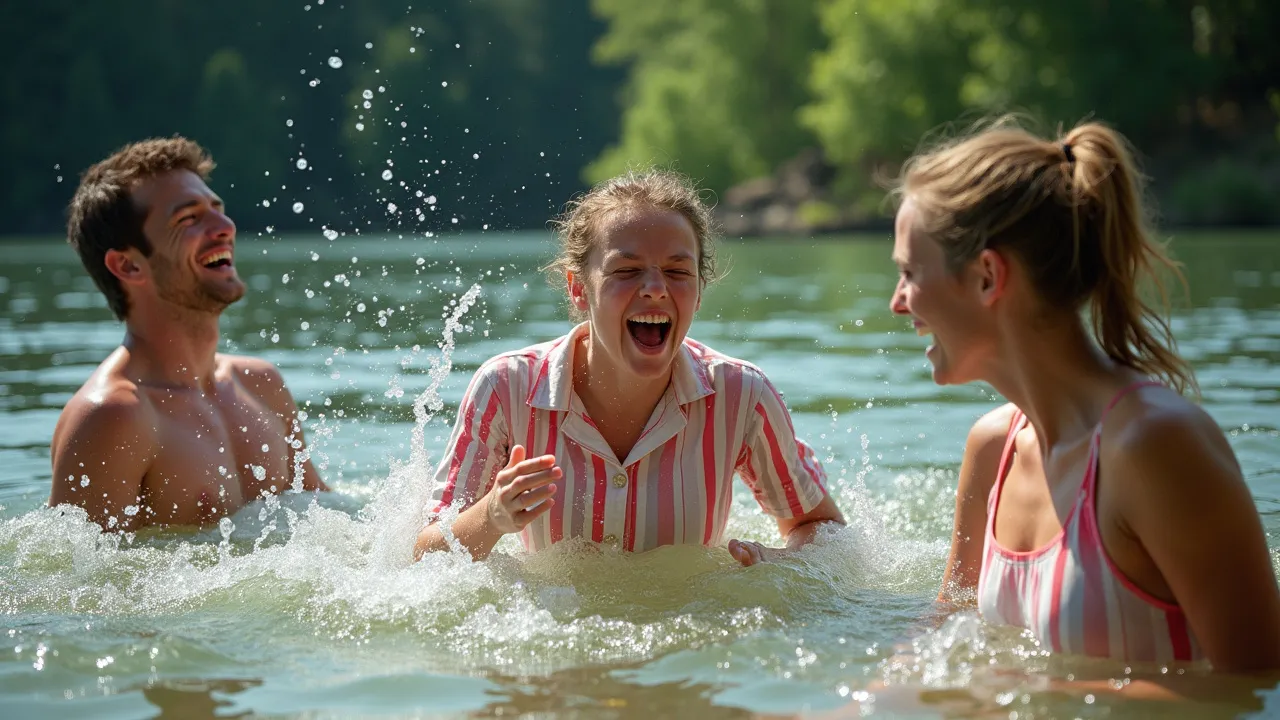
National Sleepy Head Day on July 27th is a Finnish tradition where the last person to wake up is thrown into water or teased. Celebrated since ancient times, it combines humor, folklore, and a gentle reminder to embrace rest.
Introduction to National Sleepy Head Day
National Sleepy Head Day (Finnish: Unikeonpäivä) is a beloved annual observance celebrated primarily in Finland on July 27th. The day playfully targets the last family member or friend to wake up, who is then subjected to lighthearted punishment—often being thrown into a lake, splashed with cold water, or teased with a silly hat. Rooted in ancient agrarian traditions and Christian folklore, the day offers a humorous break from summer routines and encourages communities to laugh at themselves.
While its origins trace back to medieval legends, modern celebrations have expanded to include school events, workplace pranks, and social media trends. Though not an official public holiday, it is widely recognized across Finland and has gained attention in neighboring countries. This comprehensive guide explores the history, customs, global variations, and cultural significance of National Sleepy Head Day.
The Historical Origins and Evolutionary Journey
The Foundational Catalyst: The Legend of the Seven Sleepers
The roots of National Sleepy Head Day are intertwined with the Christian legend of the Seven Sleepers of Ephesus, a group of early Christians who, according to tradition, slept in a cave for nearly 200 years to escape persecution. Their feast day in many Western and Eastern calendars falls on July 27 (or August 4 in some traditions). Finnish farmers, who relied on waking early for summer harvests, adapted this story into a secular celebration: the last person to rise on that day became the "sleepy head" and was playfully punished.
The Legislative/Official Adoption: From Folk Custom to National Quirk
Unlike many modern observances, National Sleepy Head Day was never officially legislated. It evolved organically from rural Finnish communities in the 19th century. Early records show that families would douse late sleepers with water or tie them to a chair. By the early 20th century, the tradition spread to cities, where neighbors and coworkers participated. In 1958, the city of Hämeenlinna began organizing a public Sleepy Head Day event, including throwing a local celebrity into the lake—a practice that continues today and has become a media spectacle.
Modern Global Legacy
Today, National Sleepy Head Day is primarily celebrated in Finland, but its charm has crossed borders. In Sweden and Estonia, similar customs exist, often linked to local folklore. Social media has amplified the day, with hashtags like #SleepyHeadDay trending annually. The tradition has also inspired wellness campaigns emphasizing the importance of sleep, balancing the playful punishment with a serious message about rest and health.
Key evolutionary milestones include:
- 19th century: First written accounts of the tradition in Finnish folklore collections.
- 1920s: Urban adaptation, with factories and offices adopting the custom.
- 1958: Hämeenlinna’s first organized public celebration, featuring a local notable thrown into Lake Vanajavesi.
- 2000s: Global spread via internet; recognition by UNESCO as intangible cultural heritage (proposed).
How to Celebrate National Sleepy Head Day
Celebrating National Sleepy Head Day is about embracing the fun of waking up—or not. Below are actionable ways to participate, whether you're an individual, a family, or an organization.
For Individuals and Families
- Plan a sleep-in: The tradition encourages the whole household to sleep as late as possible. The last one awake becomes the "sleepy head."
- Gentle waking punishment: The sleepy head is woken with water splashes, a bucket of water, or a playful push into a pool or lake. Ensure safety and consent.
- Festive attire: Put a silly hat or pajamas on the sleepy head and take photos for memories.
- Breakfast surprise: Prepare a special breakfast for the sleepy head (even if they get wet first).
For Schools and Communities
- Classroom prank: Teachers can arrange a "last one seated" game, with the loser receiving a paper crown.
- Community dunk tank: Local parks can host a charity event where volunteers are thrown into water.
- Storytelling session: Share the legend of the Seven Sleepers and Finnish folklore.
For Workplaces
- Office challenge: The last employee to arrive gets a humorous trophy and duties like buying coffee.
- Team building: Organize a morning swim or water balloon fight.
- Wellness break: Use the day to promote sleep awareness; provide nap pods or relaxation areas.
In Different Countries
While Finland leads the celebration, other regions have unique twists:
- Sweden: Known as Sjusovardagen, celebrated similarly but often with a cinnamon bun breakfast.
- Estonia: Called Unepäev, includes throwing dummies into rivers.
- United States: Some communities adopt the day as a fun summer event, lacking deep roots.
Global Reach and Regional Variations
While National Sleepy Head Day is distinctly Finnish, similar traditions exist across cultures, reflecting a universal fascination with sleep and waking rituals.
Finland: The Epicenter
In Finland, the day is marked by media coverage of the annual "sleepy head" thrown into water in Hämeenlinna. The chosen figure is often a celebrity, politician, or sports star. Families follow suit at home or summer cottages. The Finnish phrase "olla kuin unikeko" (to be like a sleepy head) means to oversleep.
Scandinavian Cousins
Sweden observes a similar day on July 27, but it is less commercialized. In Norway, the day is merged with the feast of St. Olav, though not directly related. Denmark has a tradition of "sovehoved" (sleepy head) but without a fixed date.
Beyond Europe
In Japan, there is a "Sleepy Head Day" (Nemunoki no Hi) on February 3, but it is unrelated to the Finnish version. The global spread of the Finnish tradition is largely due to online communities and expatriates. Some international schools celebrate it as a multicultural event.
Regional date variations are minimal for this observance; only Finland and a few Baltic countries consistently use July 27th. However, in the Eastern Orthodox Church, the Seven Sleepers are commemorated on August 4, leading some communities to celebrate then.
Societal Impact and Core Themes
National Sleepy Head Day touches on deeper societal themes beyond mere pranks.
The Value of Rest and Down time
In a world that glorifies productivity, the day humorously celebrates laziness—but with a nuanced message. The punishment for sleeping in is mild and good-natured, reminding us that rest is essential and that oversleeping occasionally is human. Many wellness advocates use the day to discuss sleep hygiene and the importance of adequate rest.
Community Bonding Through Humor
Shared laughter over a playful tradition strengthens family and community ties. The act of throwing someone into water, when done consensually, builds trust and camaraderie. It also preserves cultural heritage, passing down stories from generation to generation.
Criticism and Controversy
Some critics argue the tradition can be mean-spirited if taken too far, especially toward heavy sleepers or those with medical conditions. Modern celebrations emphasize consent and safety, with many families opting for symbolic gestures like a glass of water splashed on the face rather than a full dunking.
Modern Media and Commercialization
In recent decades, National Sleepy Head Day has gained media attention and commercial spin-offs.
Television and Social Media
Finnish morning shows often cover the day, broadcasting live from Hämeenlinna. On social media, users post videos of sleepy heads being woken, using hashtags like #Unikeonpäivä and #SleepyHeadDay. Brands have capitalized on the theme, selling sleep masks, pajamas, and water guns specifically for the occasion.
Tourism Boost
The city of Hämeenlinna sees a spike in visitors each July 27. Restaurants and hotels offer special packages: a "sleepy head breakfast" or a late checkout. The event is often paired with summer music festivals, extending the celebration into a weekend.
Despite commercialization, the core spirit remains playful and community-oriented. Many Finns view the day as a charming relic that brings joy without consumer pressure.
Conclusion: The Enduring Charm of National Sleepy Head Day
National Sleepy Head Day is more than a quirky tradition; it reflects a society that values humor, rest, and togetherness. From its roots in ancient legend to its modern digital presence, the day has evolved while retaining its core: a gentle reminder that it's okay to sleep in—as long as you're ready for a splash. Whether you're a Finn celebrating in a lake or an international enthusiast joining online, July 27th offers a unique opportunity to laugh at ourselves and appreciate the joy of waking up (eventually).
As we look to the future, the tradition may continue to spread, adapting to local cultures while preserving its Finnish heart. So on July 27th, set your alarm—or don't. Just be prepared for a wet wake-up call.
Historical Timeline
The legend of the Seven Sleepers of Ephesus emerges, which later becomes associated with a July 27 feast day in some Christian traditions.
First written records of Finnish farmers celebrating Sleepy Head Day by throwing late risers into lakes.
Tradition spreads to urban areas; factory workers and office employees adopt the custom.
City of Hämeenlinna organizes the first public Sleepy Head Day event, throwing a local journalist into Lake Vanajavesi.
National media coverage turns the Hämeenlinna event into a widely watched spectacle.
Internet and social media spread the tradition globally; expatriates celebrate abroad.
Wellness campaigns incorporate the day to promote sleep health; UNESCO considers it for intangible cultural heritage.