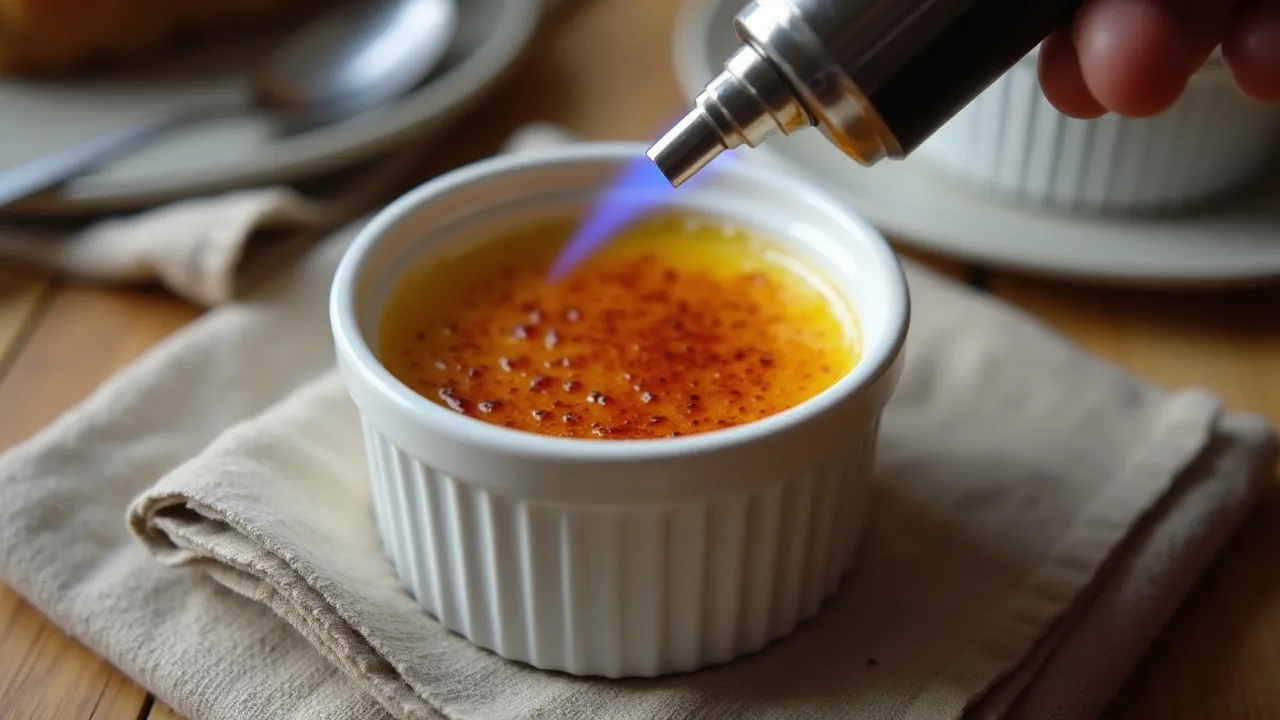
National Creme Brulee Day, observed on July 27th, honors the classic French dessert with its signature caramelized sugar crust. Learn about its history, how to celebrate, and enjoy this creamy custard treat.
The Historical Origins & Evolutionary Journey
National Creme Brulee Day celebrates one of the world's most beloved desserts: crème brûlée. This rich custard topped with a hard caramel layer has a history as refined as its flavor.
The Foundational Catalyst
The earliest known recipe for a dessert resembling crème brûlée appears in François Massialot's 1691 cookbook Le Cuisinier Royal et Bourgeois. Massialot called it "crème brûlée"—French for "burnt cream." However, similar dishes existed across Europe: England had "trifle" variations and Spain had "crema catalana," which predates the French version by centuries.
Medieval Origins
Some food historians trace the concept back to the 7th century, when Moorish chefs in Spain created a custard topped with honey and caramel. This eventually evolved into crema catalana, a Catalan custard with a caramelized sugar top, traditionally served on Saint Joseph's Day (March 19).
The Legislative/Official Adoption
National Creme Brulee Day was not established by any single government or official body. Instead, it emerged organically in the early 2000s through food blogs, culinary websites, and social media. The day gained traction as restaurants and home cooks began promoting it, and July 27th became the unofficial date, perhaps because it falls in the midst of summer when fresh fruits often accompany the dessert.
Modern Global Legacy
Today, crème brûlée is a staple on fine-dining menus worldwide. Variations include flavors like lavender, chocolate, matcha, and even savory versions like foie gras crème brûlée. The dessert's popularity has spawned dedicated festivals, online tutorials, and countless recipe adaptations. National Creme Brulee Day now serves as a celebration of culinary craftsmanship and the joy of a perfectly crackled caramel crust.
How to Celebrate National Creme Brulee Day
National Creme Brulee Day offers endless opportunities to indulge and share. Here is the ultimate guide to celebrating, whether at home, in a restaurant, or with friends.
For Individuals and Home Cooks
- Make your own crème brûlée: Start with a classic vanilla recipe. Use egg yolks, heavy cream, sugar, and vanilla bean. Bake in a water bath until set, then refrigerate for at least 2 hours.
- Torch to perfection: Use a kitchen torch to caramelize a thin layer of sugar on top. For best results, use fine granulated sugar and torch in a circular motion.
- Try a new flavor: Experiment with lavender, earl grey, pumpkin spice, or citrus zest.
- Host a tasting party: Invite friends over for a crème brûlée bar with different toppings and flavors.
For Schools and Organizations
- Baking classes: Organize a workshop teaching the science of custards and caramelization.
- Charity bake sales: Sell crème brûlée in small jars to raise funds.
- Cultural appreciation events: Highlight the dessert's French and Spanish roots.
Global Celebration Traditions
Different countries have unique ways to celebrate. In France, locals might enjoy it with a side of fresh berries. In Spain, crema catalana is often served with a cinnamon stick. In Japan, crème brûlée donuts and mochi are popular. In the United States, many restaurants offer a special discount or a free crème brûlée with purchase on July 27th.
Global Variations and Cultural Impact
Crème brûlée has transcended its French origins to become a global dessert phenomenon. Each culture adds its own twist, creating a rich tapestry of flavors and techniques.
Classic French Crème Brûlée
The French version uses only egg yolks, cream, vanilla, and sugar. It is baked slowly and chilled before torching. The result is a silky custard with a brittle caramel shell.
Spanish Crema Catalana
This is a custard made with milk instead of cream, thickened with cornstarch, and flavored with cinnamon and lemon zest. The sugar is caramelized under a salamander broiler or torch. It's traditionally eaten on Saint Joseph's Day.
Italian Crema Caramel
Similar to crème brûlée but often includes mascarpone or ricotta, giving it a richer texture. Sometimes served with espresso or amaretto.
Modern Innovations
- Vegan crème brûlée: Made with coconut milk or cashew cream, using agar-agar or cornstarch as thickeners.
- Savory crème brûlée: Chefs experiment with foie gras, cheese, or mushroom custards topped with caramelized sugar.
- Frozen crème brûlée: An ice cream version that mimics the custard texture, sold in many gelaterias.
These variations highlight the dessert's versatility and enduring appeal across continents.
The Science Behind the Perfect Crack
The iconic crack of a crème brûlée spoon is a feast for the senses. Understanding the science helps achieve that perfect texture.
Caramelization Chemistry
Sugar (sucrose) melts at about 186°C (367°F). When heated, it breaks down into glucose and fructose, then into complex polymers that give caramel its color and flavor. For crème brûlée, a thin layer of sugar is melted and rapidly cooled, forming a brittle glass-like sheet.
Temperature Control
The custard must be baked at a low temperature (150°C/300°F) in a water bath to prevent curdling. The ideal internal temperature is 77°C (170°F). Higher temperatures cause the egg proteins to over-coagulate, leading to a rubbery texture.
Torch Techniques
Using a butane torch is preferred for even caramelization. Keep the flame about 3 inches away and move in a circular pattern. Avoid burning the sugar to a bitter black. For a thicker crust, apply two layers of sugar, torching each separately.
Pro tip: Let the caramelized sugar cool for 10 seconds before serving to allow it to harden completely.
Dietary Adaptations and Health Considerations
Traditional crème brûlée is rich in calories, fat, and sugar. However, modern dietary needs have inspired healthier and allergen-friendly versions.
Low-Sugar and Keto Options
Substitute sugar with erythritol or allulose for the custard and use a specialized keto-friendly caramelization method. The crust can be made with a blend of erythritol and stevia, though it may not caramelize as well. Use a kitchen torch carefully.
Vegan and Dairy-Free Alternatives
- Base: Full-fat coconut milk or oat cream provide a creamy texture.
- Thickener: Cornstarch, agar-agar, or silken tofu can replace eggs.
- Flavor: Vanilla extract, lemon zest, or cocoa powder add depth.
Gluten-Free Assurance
Classic crème brûlée is naturally gluten-free as it contains no flour. However, be cautious of cross-contamination if using pre-packaged mixes or when dining out.
These adaptations ensure that everyone can enjoy National Creme Brulee Day, regardless of dietary restrictions.
Industry Impact and Economic Significance
Crème brûlée is not just a dessert; it is a driver for the culinary industry, from restaurants to retail products.
Restaurant Menus
Many fine-dining establishments feature crème brûlée as a signature dessert, often at premium prices ($8–15 per serving). July 27th sees a spike in orders, with some restaurants reporting a 50% increase in dessert sales.
Retail and Grocery
Pre-made crème brûlée kits and ready-to-bake custards are popular in supermarkets. Brands like Williams Sonoma and Stonewall Kitchen offer kits with ramekins and torches. During the month of July, sales of kitchen torches and vanilla beans rise significantly.
Social Media Influence
Hashtags like #NationalCremeBruleeDay and #CremeBrulee generate thousands of posts on Instagram and TikTok, influencing food trends and driving consumer interest. User-generated content featuring the iconic crack has huge viral potential.
The day also supports small businesses such as local bakeries, patisseries, and culinary schools that host special events.
Historical Timeline
François Massialot publishes the first known recipe for crème brûlée in 'Le Cuisinier Royal et Bourgeois', calling it 'crème brûlée'.
Crème brûlée becomes a staple in French royal courts, often flavored with orange flower water or vanilla.
The dessert spreads across Europe. In Spain, crema catalana solidifies its identity with local ingredients.
Crème brûlée gains international fame as French cuisine experiences a global renaissance. Chefs begin experimenting with flavors.
National Creme Brulee Day is informally established by food enthusiasts, with July 27th becoming the widely recognized date.
The dessert becomes a social media sensation, with viral videos showing the crack of the caramelized top.
During the pandemic, home baking trends surge, leading to increased sales of crème brûlée kits and torches.
National Creme Brulee Day is celebrated worldwide, with events in major cities and a record number of online posts.