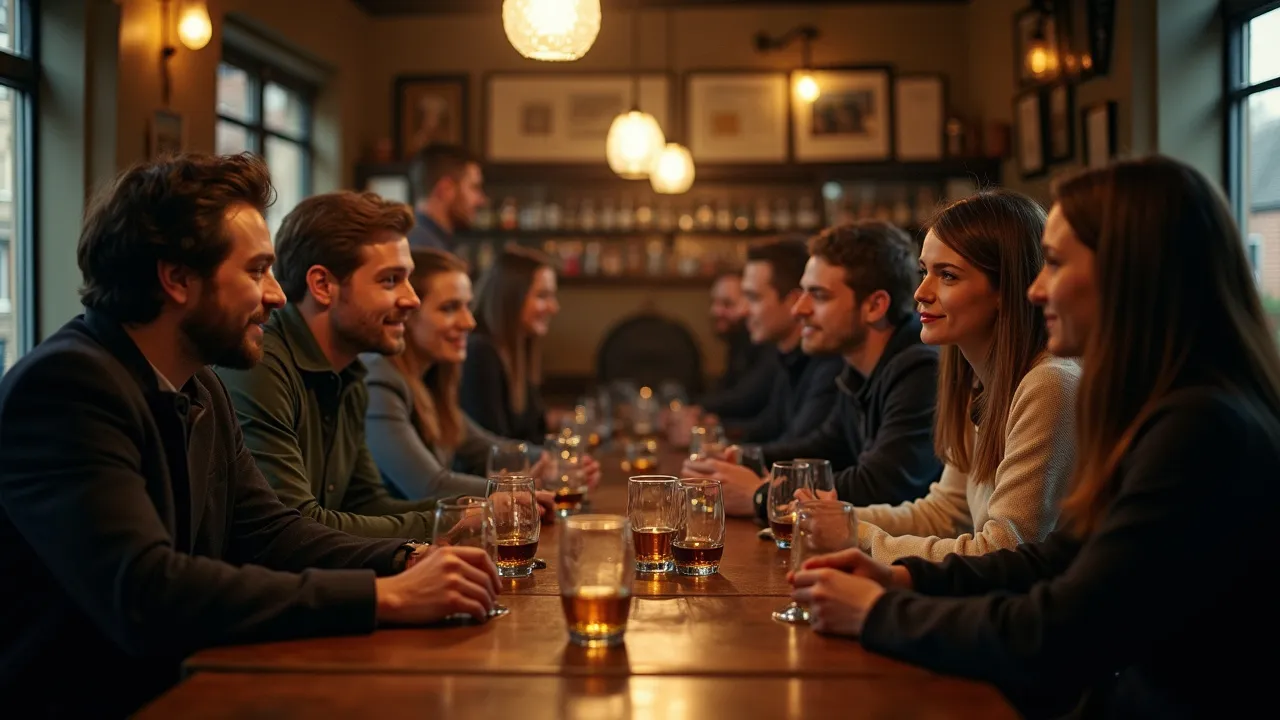
On July 27th, raise a glass to Scotch whisky! Discover the rich history, diverse flavors, and global celebrations of Scotland's beloved spirit.
The Historical Origins & Evolutionary Journey
National Scotch Day, observed annually on July 27th, celebrates one of the world's most revered spirits: Scotch whisky. This day honors the centuries-old tradition of distilling in Scotland, a craft that dates back to the 15th century. The choice of July 27th is believed to mark the anniversary of the first recorded mention of Scotch whisky, though the exact origin of the observance itself is relatively modern, driven by industry and consumer enthusiasm.
The Foundational Catalyst
The earliest written record of Scotch whisky appears in the Scottish Exchequer Rolls of 1494, where an entry notes "Eight bolls of malt to Friar John Cor wherewith to make aquavitae" (water of life). This crude spirit evolved over the centuries from a medicinal elixir to a beloved beverage. The modern Scotch whisky industry took shape in the 19th century with the introduction of continuous distillation and the rise of blended whiskies. The formation of the Scotch Whisky Association in 1942 further solidified quality standards and global promotion.
The Legislative/Official Adoption
While National Scotch Day is not an official federal holiday, it gained recognition through the efforts of whisky companies and the National Day Calendar, which catalogs unofficial observances. The date July 27th was popularized in the early 2000s as a marketing initiative to boost summer sales. In 2009, the Scotch Whisky Regulations were strengthened, defining strict production rules (e.g., aged at least three years in oak casks, bottled at a minimum 40% ABV). These regulations protect the integrity of the spirit and its geographic indication.
Modern Global Legacy
Today, Scotch whisky is exported to over 180 countries, with the United States being the largest market by value. National Scotch Day has become a global event, with tastings, distillery tours, and social media campaigns. The observance underscores the cultural heritage of Scotland while fostering appreciation for the craftsmanship behind every bottle.
How to Celebrate National Scotch Day
Celebrating National Scotch Day is about enjoying the spirit responsibly and exploring its nuances. Here are detailed strategies for individuals, groups, and organizations to partake in the festivities.
For Individuals
- Host a Tasting: Gather a selection of single malts from different regions (Speyside, Islay, Highlands, etc.) and compare flavors. Use a tasting journal to note aromas and finishes.
- Visit a Distillery: If in Scotland, tour iconic distilleries like Glenlivet or Laphroaig. Many offer virtual tours for remote participation.
- Cocktail Creations: Mix classic Scotch-based cocktails such as the Rob Roy (Scotch, sweet vermouth, bitters) or the Penicillin (Scotch, lemon, honey, ginger).
For Groups and Social Events
- Whisky and Food Pairing Dinner: Pair Scotch with dishes like smoked salmon, dark chocolate, or blue cheese. Prepare a multi-course menu highlighting different whisky profiles.
- Blind Tasting Competition: Challenge friends to identify whiskies by smell and taste. Award prizes for correct guesses.
- Online Celebration: Use social media with hashtags like #NationalScotchDay. Share photos of your dram and tag friends to spread the cheer.
For Organizations
- Retail Promotions: Liquor stores can offer discounts on select bottles or create sample packs for customers.
- Educational Webinars: Distilleries can host virtual masterclasses on whisky production, history, and tasting techniques.
- Charity Drives: Pair celebrations with donations to Scottish cultural preservation funds or alcohol-safety initiatives.
Types of Scotch Whisky: A Comprehensive Guide
Scotch whisky is diverse, with each type offering unique characteristics shaped by ingredients, production methods, and aging. Understanding these variations enhances tasting appreciation.
Single Malt Scotch Whisky
Distilled from 100% malted barley at a single distillery using pot stills. Known for complex flavors ranging from fruity (Speyside) to peaty (Islay). Examples: Macallan, Ardbeg.
Single Grain Scotch Whisky
Made from other grains (e.g., wheat, corn) at a single distillery. Often used in blends but available as standalone expressions, with lighter, sweeter profiles. Example: Cameronbridge.
Blended Scotch Whisky
A mixture of single malt and single grain whiskies from multiple distilleries. Account for over 90% of global sales. Brands like Johnnie Walker and Chivas Regal offer balanced, consistent flavors.
Blended Malt and Blended Grain
Blended malt (formerly "vatted malt") combines single malts from different distilleries without grain whisky. Blended grain mixes grain whiskies. These categories offer versatility and experimentation.
Single Cask and Cask Strength
Single cask whiskies are bottled from one cask, often non-chill filtered, with limited production. Cask strength refers to bottling directly from the cask without dilution, typically 50-60% ABV.
Tasting Notes and Food Pairing
Mastering the art of tasting Scotch elevates the experience. Follow these steps to fully appreciate the spirit's complexity.
The Tasting Process
- Appearance: Observe the color, which indicates cask type and age. Deep amber suggests sherry cask; pale gold implies bourbon cask.
- Nose: Swirl the glass gently, then bring it close. Identify primary scents: fruit (apple, citrus), peat smoke, vanilla, or spice.
- Palate: Take a small sip, letting it coat your tongue. Note the initial sweetness, followed by warmth and finishing flavors like oak, smoke, or dried fruit.
- Finish: The length and sensation after swallowing. A long finish indicates high quality or older age.
Suggested Food Pairings
- Peaty Scotch (e.g., Laphroaig) – Pairs with smoked salmon, oysters, or blue cheese. The smokiness complements rich, salty foods.
- Sherry Cask Scotch (e.g., Glendronach) – Goes well with dark chocolate, dried fruits, or roasted nuts. The sweetness matches dessert.
- Light, Floral Scotch (e.g., Glenkinchie) – Complements seafood, salads, or light appetizers. Avoid overpowering the delicate flavors.
- Blended Scotch (e.g., Johnnie Walker Black) – Versatile with steak, barbecue, or cheese boards. Balanced profiles enhance a range of dishes.
Global Impact and Economic Significance
Scotch whisky is a major contributor to the Scottish economy and a cultural ambassador worldwide. The industry supports tens of thousands of jobs in distillation, tourism, and exports.
Export Statistics
In 2023, Scotch whisky exports were valued at over £6 billion, with the United States leading imports (over £1 billion). Other top markets include France, Singapore, and China. The industry pays substantial excise duties and VAT, funding public services.
Tourism and Distillery Visits
Scotland welcomes over 2 million whisky tourists annually, with distilleries like the Macallan Estate and Glenfiddich offering immersive experiences. The Malt Whisky Trail in Speyside attracts enthusiasts from around the globe.
Cultural Influence
Scotch appears in literature, film, and music, symbolizing sophistication and tradition. Its production is intertwined with Scottish identity, from the Highlands to the Lowlands. National Scotch Day amplifies this cultural resonance, fostering cross-cultural appreciation.
Modern Trends and Innovations
The Scotch whisky industry evolves with changing consumer preferences and environmental consciousness. Recent innovations ensure the spirit remains relevant.
Sustainability Initiatives
Distilleries are adopting renewable energy, reducing water usage, and recycling by-products. Bruichladdich uses local barley and organic farming, while Glenmorangie powers operations via wind turbines.
New Flavor Profiles
Experimental cask finishes (rum, port, wine) and the resurgence of rye-influenced Scotch cater to adventurous drinkers. Non-chill filtered and natural color whiskies appeal to purists.
Low-ABV and Ready-to-Drink
Canned Scotch-based cocktails and lower-alcohol offerings tap into the ready-to-drink market. Brands like Cutty Sark are launching pre-mixed highballs.
Digital Engagement
Virtual tastings, NFT bottles, and blockchain for provenance tracking modernize the image. Social media influencers promote Scotch to younger audiences, blending tradition with innovation.
Historical Timeline
First written record of Scotch whisky: Friar John Cor receives malt to make aquavitae, as noted in Scottish Exchequer Rolls.
The Excise Act legalizes distillation, leading to a boom in licensed distilleries like Glenlivet.
Phylloxera blight in France boosts Scotch popularity as brandy alternative; blended whiskies emerge.
Scotch Whisky Association formed to protect industry standards and promote exports.
National Scotch Day gains recognition through marketing campaigns, celebrated on July 27.
Scotch Whisky Regulations 2009 enacted, defining legal production methods and geographic indication.
Chivas Brothers launches the world's first malt whisky from the re-grain process.
Scotch whisky exports reach record £6.2 billion, driven by US and Asian markets.