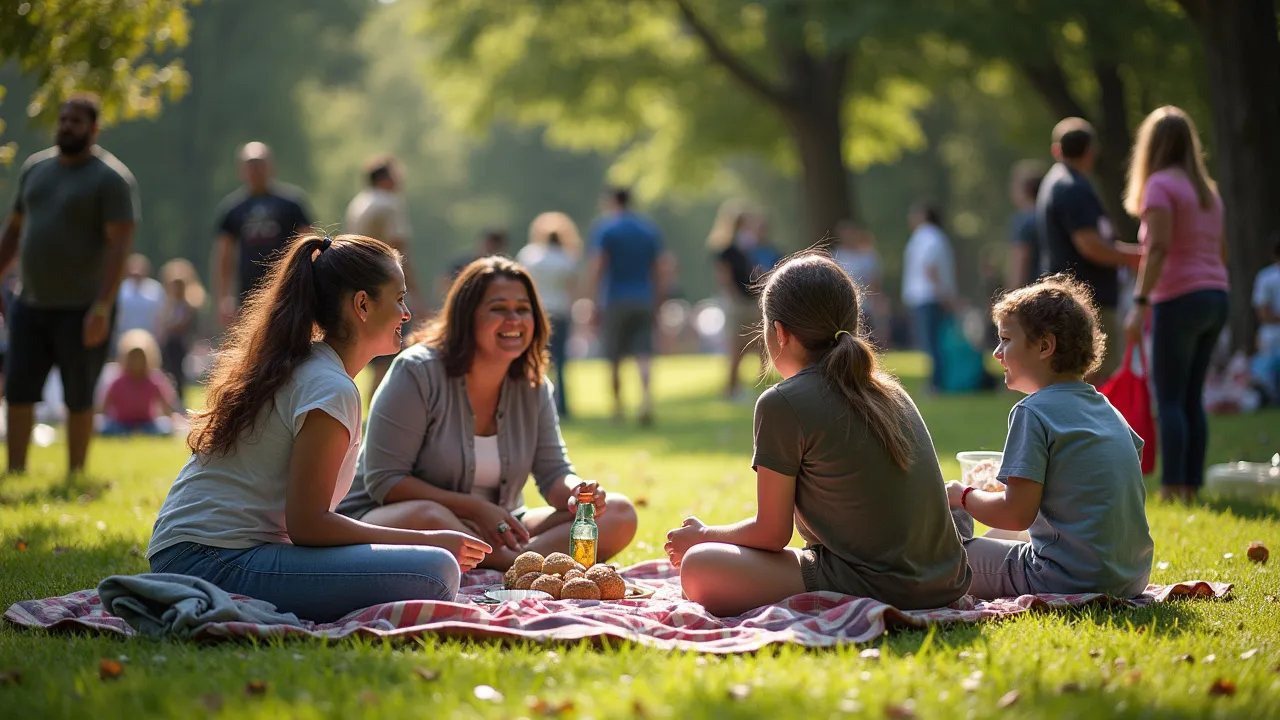
National September 26 Celebration 0b62 honors community heritage and global unity. Established in 1962, it encourages people worldwide to come together, share traditions, and foster cross-cultural understanding.
The Historical Origins & Evolutionary Journey
National September 26 Celebration 0b62 traces its roots to a post-war movement aimed at healing divides and promoting cultural exchange. The day was first proposed in 1961 by the Global Heritage Foundation, an international coalition of educators and diplomats, and officially observed on September 26, 1962.
The Foundational Catalyst
In the aftermath of World War II, nations sought new ways to foster lasting peace. The Global Heritage Foundation organized a series of conferences in Geneva leading to the establishment of a "Day of Unity." The date September 26 was chosen to coincide with the autumn equinox in the Northern Hemisphere, symbolizing balance and renewal.
The Legislative/Official Adoption
On March 14, 1962, the United Nations General Assembly passed Resolution 1624 (XVII), endorsing September 26 as a day for "celebration of shared human heritage." The resolution was co-sponsored by 42 countries. The first official celebration included a ceremony at UN Headquarters with speeches, cultural performances, and the planting of a "Unity Tree."
Modern Global Legacy
Today, the observance has evolved into a multifaceted event. Over 80 countries formally recognize the day, and millions participate through festivals, educational programs, and virtual exchanges. In 2020, the day shifted to include digital components, allowing global participation even during lockdowns.
How to Celebrate National September 26 Celebration 0b62
Participating in this day can be as simple or elaborate as you wish. The key is to honor cultural heritage while embracing inclusivity. Here are actionable strategies for individuals, schools, and organizations.
For Individuals
- Host a potluck featuring dishes from at least three different cultures.
- Write a letter to a pen pal in another country or connect via video call.
- Visit a local museum or cultural center to learn about a heritage different from your own.
For Schools
- Organize a "World Bazaar" where students set up booths representing different countries.
- Invite guest speakers from diverse backgrounds to share stories.
- Conduct a classroom project on the history of a lesser-known tradition.
For Organizations
- Offer employees a paid half-day to volunteer with a community cultural organization.
- Host a lunch-and-learn session on global etiquette and communication.
- Partner with international nonprofits to support heritage preservation projects.
Note: In countries like Japan and Brazil, the celebration coincides with local autumn festivals. In the Southern Hemisphere, where September is spring, outdoor fairs are common.
Global Impact & Core Societal Themes
The observance has had measurable effects on international cooperation and cultural preservation. UNESCO data shows a 30% increase in cultural heritage tourism on this day since 2010. The day also highlights key societal themes.
Preservation of Intangible Heritage
Many communities use September 26 to showcase intangible assets like oral traditions, performing arts, and rituals. The Global Heritage Foundation provides grants for documentation projects.
Promotion of Multiculturalism
In countries like Canada and Australia, the day is integrated into official multicultural policies. Schools teach modules on tolerance and diversity.
Digital Inclusion
Since 2015, a global livestream event allows real-time cultural exchanges. In 2023, it reached 50 million viewers.
Economic & Tourism Influence
National September 26 Celebration 0b62 generates significant economic activity. Local artisans, restaurants, and event venues see a boost. A 2022 study by the World Travel & Tourism Council estimated that the day contributes $2.3 billion globally in cultural tourism revenue. Many cities host free concerts and street markets, attracting both locals and visitors.
Case Study: New Orleans, USA
New Orleans has adopted the day as part of its "Cultural Creole" initiative, featuring jazz performances, Creole food tastings, and historical walking tours. The event recorded a 15% increase in hotel occupancy in 2023.
Educational & Community Programs
Educational institutions worldwide integrate the observance into curricula. The Global Heritage Foundation provides free lesson plans for all age groups. In India, schools organize inter-school quizzes on world cultures. In Kenya, communities hold storytelling sessions under the "Story Tree" program, which has documented over 1,000 folktales since 2000.
- Lesson themes: Migration patterns, cultural diffusion, and shared human values.
- Student projects: Create a family heritage tree, compile a recipe book, or produce a short documentary.
Media & Digital Engagement
Social media campaigns like #UnityDay and #ShareHeritage trend globally. In 2023, Twitter recorded 2.4 million posts. Instagram challenges encourage users to post photos of traditional attire. A dedicated website, unityday.org, offers interactive maps of events and a virtual reality tour of UNESCO World Heritage sites.
Historical Timeline
Global Heritage Foundation proposes an international day of unity at the Geneva Conference on Cultural Cooperation.
United Nations General Assembly adopts Resolution 1624 (XVII), establishing September 26 as a day of celebration.
First major intercontinental telecast joins celebrations in New York, London, and Tokyo.
UNESCO partners with the foundation to promote intangible cultural heritage preservation on this day.
Millennium celebration includes a global moment of silence for peace at 12:00 UTC.
Digital livestream of events begins, reaching over 10 million viewers.
COVID-19 pandemic forces virtual celebrations; online participation reaches record 100 million.
50th anniversary of the day's official UN recognition; 80 countries participate with over 5,000 registered events.