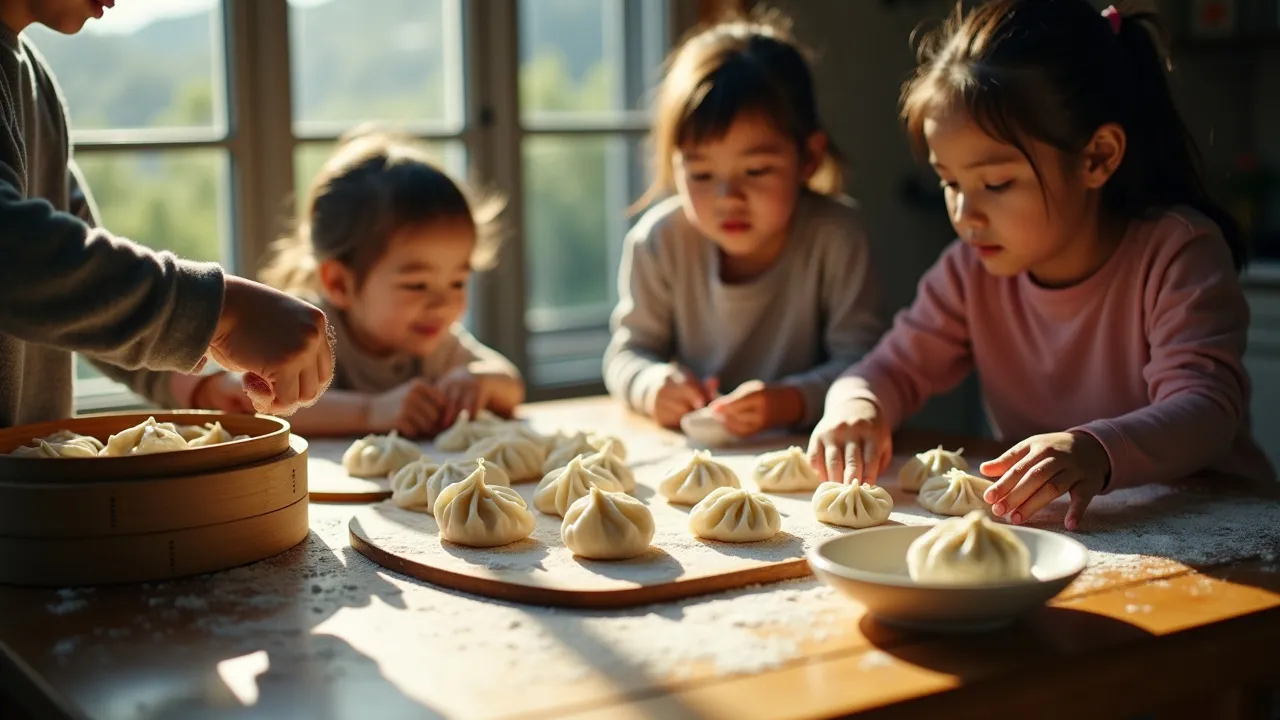
National Dumpling Day on September 26th celebrates one of the world's most versatile foods. From potstickers to pierogi, explore the rich history and diverse traditions of dumplings across cultures.
The Historical Origins & Evolutionary Journey
National Dumpling Day, observed annually on September 26th, honors a food that transcends borders and millennia. Dumplings—defined as pieces of dough filled with meat, vegetables, or sweets—appear in virtually every culture. This section delves into the deep history of dumplings and the modern establishment of this observance day.
The Foundational Catalyst
The earliest known dumplings date back to ancient China, around 200 BC, during the Eastern Han Dynasty. A physician named Zhang Zhongjing created dough-wrapped mutton and herbs to treat frostbitten ears. These early jiaozi evolved into the dumplings enjoyed across East Asia. Over centuries, dumplings spread along the Silk Road, morphing into ravioli in Italy, pierogi in Poland, and empanadas in Latin America.
The Legislative/Official Adoption
National Dumpling Day as a formal observance is a relatively modern phenomenon. It was proposed by food enthusiasts and embraced by the National Day Calendar in the early 2010s. The date September 26th was chosen to mark the harvest season and the comfort food appeal of dumplings. Unlike federal holidays, it requires no legislation—it is a grassroots celebration amplified by social media and food brands.
Modern Global Legacy
Today, National Dumpling Day is recognized worldwide, with restaurants offering specials, cooking classes, and cultural festivals. It highlights the unifying power of food, as every culture has its own dumpling variant. The day also promotes culinary tourism and home cooking, encouraging people to explore new recipes and traditions.
How to Celebrate National Dumpling Day
Celebrating National Dumpling Day can be as simple or elaborate as you like. Here are actionable strategies for individuals, schools, and organizations to make the most of September 26th.
For Individuals and Families
- Cook from scratch: Choose a traditional recipe—Chinese jiaozi, Polish pierogi, or Italian ravioli—and make the dough and filling yourself.
- Dumpling tasting party: Invite friends to bring different types of dumplings from various cuisines for a global feast.
- Visit a local restaurant: Many eateries offer specials; explore a new cuisine.
- Share on social media: Post photos with #NationalDumplingDay to join the global conversation.
For Schools and Educational Institutions
- Cultural lesson: Teach students about the history and geography of dumplings, linking to social studies and home economics.
- Dumpling-making workshop: Host a hands-on activity where kids learn to fold and fill dumplings.
- Potluck fundraiser: Organize a dumpling potluck to raise funds for class projects.
For Organizations and Businesses
- Employee engagement: Host a dumpling-themed lunch or cooking competition.
- Limited-time menu: Restaurants can introduce a dumpling flight or fusion dumpling.
- Collaborate with influencers: Partner with food bloggers to highlight your dumpling offerings.
These activities foster community, cultural appreciation, and culinary creativity, all while honoring a beloved comfort food.
Global Dumpling Varieties: A Culinary Tour
Dumplings come in countless forms, each reflecting local ingredients and traditions. This section provides a non-exhaustive list of iconic dumplings around the world.
Asia
- Jiaozi (China): Boiled, steamed, or pan-fried, filled with pork and cabbage.
- Mandu (Korea): Similar to jiaozi, often served in soup or steamed.
- Gyoza (Japan): Crispy-bottomed pan-fried dumplings, usually with garlicky pork filling.
- Momos (Tibet/Nepal): Steamed dumplings with meat or vegetables, served with spicy dipping sauce.
Europe
- Pierogi (Poland): Boiled, then pan-fried, filled with potato, cheese, sauerkraut, or fruit.
- Ravioli (Italy): Pasta pockets filled with ricotta, spinach, or meat, served with sauce.
- Pelmeni (Russia): Small meat-filled dumplings, boiled and served with sour cream.
Americas
- Empanadas (Latin America): Baked or fried pastry turnovers filled with meat, cheese, or sweet fillings.
- Arepas (Venezuela/Colombia): Cornmeal cakes that can be stuffed—sometimes considered a dumpling.
This diversity is what makes National Dumpling Day a true global celebration.
The Science of Dumpling Dough & Fillings
Creating the perfect dumpling involves a delicate balance of ingredients and technique. Understanding the science elevates your cooking.
Dough Composition
The basic dumpling dough is flour and water, but the ratio determines texture. A higher hydration ratio (60-65%) yields softer, more tender skins suitable for steaming. For pan-fried dumplings, a lower hydration (50%) creates a chewier texture that crisps up nicely. Adding a pinch of salt strengthens gluten structure, while a teaspoon of oil makes the dough more pliable.
Filling Chemistry
Meat-based fillings benefit from binding agents like egg or cornstarch to retain moisture. Vegetables should be squeezed dry to prevent soggy dumplings. Umami-rich ingredients like soy sauce, garlic, and ginger enhance flavor. For sweet dumplings, sugar and butter create a rich, caramelized interior.
Cooking Methods
- Boiling: Cooks dough evenly; best for pierogi and jiaozi.
- Steaming: Gentle heat preserves delicate fillings; ideal for momos.
- Pan-frying: Creates a crispy bottom while keeping top tender; perfect for gyoza.
Mastering these principles allows home cooks to experiment with confidence on National Dumpling Day.
Dumplings in Popular Culture & Media
Dumplings have made their mark on film, television, and literature, often symbolizing comfort, family, and cultural identity.
Film & Television
- The Joy Luck Club (1993): Features a poignant scene of women making dumplings, representing maternal bonds.
- Dumpling (2004): A Hong Kong horror film that uses dumplings as a metaphor for desperation.
- Master of None (2017): An episode dedicated to making pasta, a European dumpling cousin.
Literature
In Amy Tan's novels, dumplings often appear as a vehicle for exploring Chinese American heritage. Cookbooks like Dumplings All Day Wong celebrate the art of dumpling making.
These cultural references underscore how dumplings are more than food—they are powerful storytelling elements.
Economic Impact of the Dumpling Industry
The dumpling market is a significant segment of the global food industry, from frozen foods to restaurant chains.
Global Market Size
As of 2023, the global dumpling market is valued at over $8 billion, with projected growth of 5% annually. Asia-Pacific holds the largest share due to high consumption in China, Japan, and Korea. North America and Europe are growing rapidly, driven by interest in ethnic cuisines.
Key Players
Major frozen brands like Ling Ling and Wei Chuan dominate retail, while chains like Din Tai Fung (Taiwan) and Vapiano (Germany) popularize restaurant-grade dumplings. Small dumpling shops contribute to local economies and cultural tourism.
Employment & Trade
Dumpling production employs thousands in manufacturing, hospitality, and farming. International trade in dumpling ingredients (wheat, pork, shrimp) supports agricultural economies. National Dumpling Day spurs sales and promotions, boosting economic activity.
Health Perspectives: Are Dumplings Good for You?
Dumplings can be part of a balanced diet, but nutritional value varies by ingredients and cooking method.
Nutritional Breakdown
- Steamed vegetable dumplings: Low in calories (ca. 40-60 per piece), high in fiber, and rich in vitamins.
- Fried meat dumplings: Higher in calories (80-120 per piece), saturated fat, and sodium.
- Sweet dumplings: Often contain added sugar; best consumed in moderation.
Dietary Adaptations
Gluten-free dumplings can be made with rice flour or tapioca starch. Vegan fillings using tofu, mushrooms, or jackfruit are popular. National Dumpling Day encourages inclusive recipes that cater to various dietary needs.
Portion control is key. Enjoying dumplings as part of a meal with vegetables and lean protein supports a healthy lifestyle.
Future Trends: Dumplings in the 21st Century
Innovation and technology are shaping the next generation of dumplings.
Fusion Dumplings
Chefs are blending cuisines, creating dumplings like Korean BBQ tacos with potsticker wrappers or dessert dumplings filled with Nutella. This trend appeals to adventurous eaters.
Plant-Based Revolution
With rising demand for plant-based proteins, companies are developing dummy (plant-based meat) dumplings that mimic traditional textures. Brands like Impossible Foods and Beyond Meat are exploring the category.
Smart Dumpling Makers
Automated dumpling machines, once used only in factories, are becoming available for home use. Smart devices that regulate cooking temperature via apps promise perfect results every time.
These innovations ensure that National Dumpling Day remains relevant and exciting for future generations.
Historical Timeline
Legend says Zhang Zhongjing creates the first dumplings in China to treat frostbitten ears.
Dumplings spread to Europe via the Silk Road; early forms of ravioli appear in Italian cuisine.
Spanish conquistadors introduce empanadas to Latin America.
First official National Dumpling Day is celebrated on September 26th, promoted by food enthusiasts and the National Day Calendar.
Social media campaigns popularize #NationalDumplingDay, making it a trending topic each year.
During the pandemic, dumpling kits and virtual cooking classes see a surge, reinforcing the day's communal spirit.