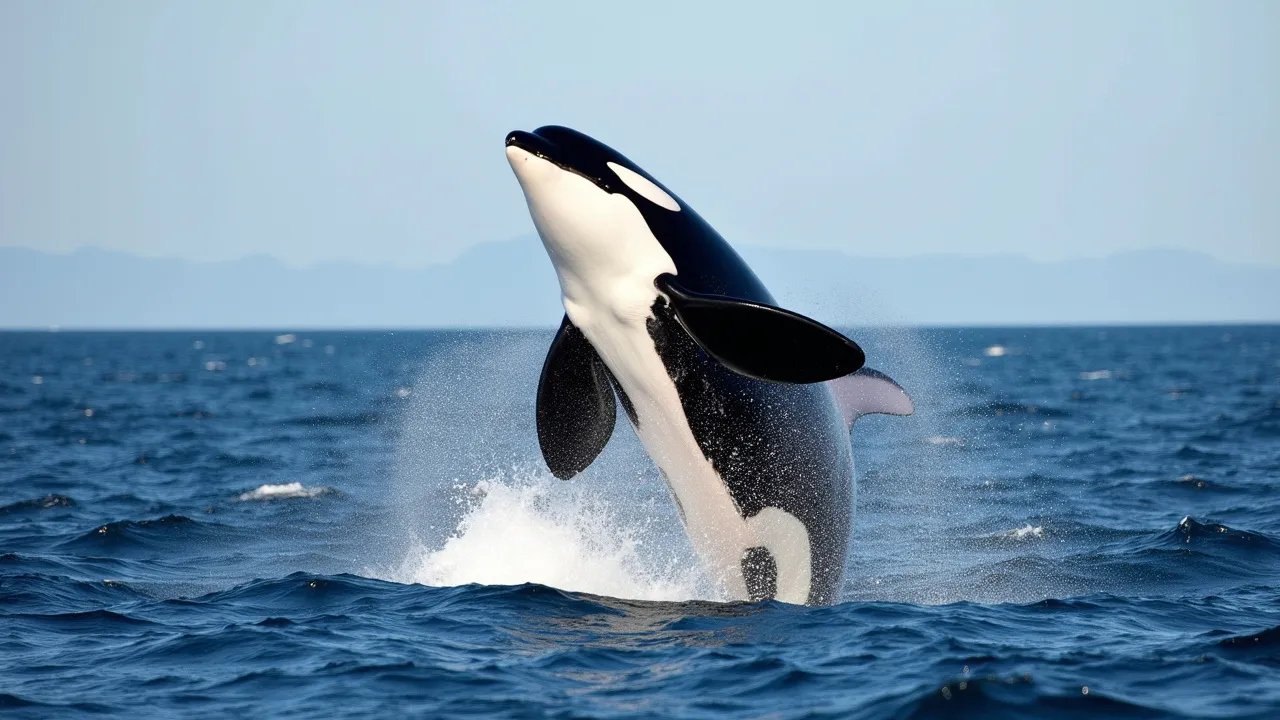
National Shamu the Whale Day on September 26th honors the iconic orca who became a symbol of marine parks and raises awareness about killer whale conservation. It celebrates the legacy of Shamu while promoting education and ethical treatment of marine life.
The Historical Origins & Evolutionary Journey
National Shamu the Whale Day commemorates the birthday of Shamu, the first killer whale ever successfully captured for public display. The day is observed annually on September 26th, marking the day in 1965 when Shamu was born. This observance has grown from a simple park event into a global platform for orca education and conservation.
The Foundational Catalyst
In 1965, a young killer whale was captured in Puget Sound near Seattle, Washington. She was purchased by SeaWorld San Diego for $10,000 and became the centerpiece of a new marine park industry. Named Shamu (a portmanteau of "She" and "Namu", the name of another captured orca), she quickly became a star. Her first public show on September 26th, 1965, drew huge crowds and set the stage for decades of marine entertainment.
The Legislative/Official Adoption
Throughout the 1970s and 1980s, SeaWorld expanded to multiple locations, and Shamu became a trademarked icon. The company began celebrating Shamu's birthday as a park-wide event, eventually branding it as National Shamu the Whale Day. While never officially recognized by the U.S. government, it gained widespread recognition through SeaWorld's marketing and public events. In 1999, SeaWorld launched a conservation campaign tied to the day, partnering with marine research organizations.
Modern Global Legacy
Today, National Shamu the Whale Day is observed not only in SeaWorld parks but also by aquariums, schools, and conservation groups worldwide. The day has evolved to include educational programs about orca biology, wild whale conservation, and ethical considerations of captivity. Critics also use the day to advocate for the retirement of captive orcas, reflecting a shift in public sentiment. Despite controversies, the day remains a focal point for marine mammal awareness.
How to Celebrate National Shamu the Whale Day
Whether you’re a marine enthusiast, a teacher, or simply curious, National Shamu the Whale Day offers numerous ways to engage with orca conservation and culture. Below are specific strategies for individuals, schools, and organizations.
For Individuals
- Visit a SeaWorld park: Attend special shows and behind-the-scenes tours. Many parks offer discounted admission on September 26th.
- Watch documentaries: View films like ‘Blackfish’ or ‘The Whale’ to understand both sides of the captivity debate.
- Support conservation: Donate to organizations like the Whale and Dolphin Conservation (WDC) or the Orca Conservancy.
For Schools and Educators
- Plan a classroom lesson: Use SeaWorld’s educational resources or NOAA’s orca curriculum to teach about killer whale biology and ecosystems.
- Host a poster contest: Encourage students to create artwork depicting orcas in the wild or in captivity, sparking discussion about conservation.
- Invite a guest speaker: Contact local marine biologists or aquarium educators for virtual or in-person talks.
For Organizations
- Launch a social media campaign: Use hashtags like #NationalShamuDay to share facts, stories, and calls to action.
- Fundraise for research: Partner with marine institutes to fund orca habitat protection or anti-whaling initiatives.
- Host a community event: Organize a beach cleanup or a screening of a whale documentary followed by a panel discussion.
Internationally, celebrations vary. In Japan, some aquariums hold special shows, while in Norway, whale-watching tours offer discounts. Always check local guidelines and ethical considerations when planning events.
Orca Conservation and Ethical Considerations
The day is also a platform to address critical issues facing orcas in the wild and captivity. Wild orcas face threats from pollution, ship strikes, and declining salmon populations, particularly in the Pacific Northwest. Captive orcas, like Shamu, have sparked debates about animal welfare.
Wild Orca Conservation
Efforts focus on protecting critical habitats, reducing noise pollution from ships, and restoring salmon runs. NOAA’s recovery plan for the Southern Resident killer whales includes habitat restoration and regulating whale-watching activities. National Shamu the Whale Day often features fundraisers for these initiatives.
Captivity Controversies
Following the documentary ‘Blackfish’ (2013), public opinion shifted against keeping orcas in captivity. Many parks have phased out orca shows and transitioned to educational presentations. SeaWorld ended its breeding program in 2016. However, critics argue that retired orcas cannot be released into the wild. The day serves as a reminder of these ongoing challenges.
Ethical Tourism
Responsible whale-watching is encouraged as an alternative to captive displays. Tour operators follow guidelines to minimize disturbance, and many contribute to research. On this day, some eco-tours offer special rates to promote ethical observation.
Shamu as a Cultural Icon
Shamu transcended marine biology to become a pop culture phenomenon. The name “Shamu” is often used generically for any killer whale performer at SeaWorld, though technically it refers to the original whale. Shamu appeared in TV shows, movies, and even had a ride at SeaWorld San Diego.
Media Appearances
- Television: Shamu was featured in episodes of ‘The Brady Bunch’ and ‘The Incredible Hulk’.
- Film: The 1967 movie ‘The Whale’ featured Shamu as a central character.
- Theme Parks: The Shamu Stadium has been a staple at SeaWorld parks, hosting elaborate shows with music and choreography.
The iconic black-and-white orca design is instantly recognizable, and Shamu merchandise remains popular. The cultural impact extends to language: the term “to pull a Shamu” (to make a big splash) is sometimes used informally.
The Science of Orcas: Biology and Behavior
Killer whales (Orcinus orca) are apex predators with complex social structures. Understanding their biology enriches the celebration of National Shamu the Whale Day.
Physical Characteristics
Adult males can reach 20-26 feet in length and weigh up to 6 tons. Their distinct black-and-white coloration provides camouflage. They have a large dorsal fin that can reach 6 feet tall in males.
Social Structure
Orcas live in matrilineal pods with strong family bonds. Each pod has unique vocal dialects. There are three main ecotypes: resident (fish-eating), transient (mammal-eating), and offshore (shark-eating).
Communication
Orcas use clicks for echolocation and whistles for social communication. Dialects are passed down through generations, and some calls are learned. Research on orca vocalizations contributes to conservation efforts.
Global Impact and Varied Traditions
While National Shamu the Whale Day has American roots, its observance has spread internationally. Different regions adapt the day to their own marine contexts.
United States
SeaWorld parks host birthday celebrations with cake for the whales (often made of ice), educational booths, and discounts. Many aquariums and zoos also participate with special programs.
Canada
In British Columbia, where wild orcas are a significant tourism draw, September 26 marks the start of a week-long Orca Awareness campaign with beach cleanups and ferry talks.
Japan
Japanese aquariums that house orcas, like the Kamogawa Sea World, hold special shows. However, due to ethical concerns, some groups protest outside these facilities.
Australia
Marine parks like Sea World Gold Coast celebrate with conservation talks. Whale-watching tours in Eden, NSW often combine the day with humpback whale migration viewings.
These varied traditions reflect the ongoing dialogue between celebration and conservation, making the day a truly global observance.
Historical Timeline
Shamu, the first killer whale captured for public display, is born in Puget Sound. She is purchased by SeaWorld San Diego and performs her first show on September 26.
Shamu stars in the film ‘The Whale’, boosting her popularity and SeaWorld's brand.
SeaWorld opens in Orlando, Florida, with a new Shamu stadium. Shamu becomes a trademarked icon.
SeaWorld launches the first official National Shamu the Whale Day celebration on September 26, with a giant ice cake for the whales.
SeaWorld partners with the National Marine Fisheries Service to promote orca conservation, tying the day to research funding.
The documentary ‘Blackfish’ begins production, raising public awareness about captive orca welfare.
Following ‘Blackfish’ release, SeaWorld faces declining attendance and pressure to end shows. The day shifts focus toward education.
SeaWorld announces the end of its orca breeding program. National Shamu the Whale Day now includes conservation messaging.