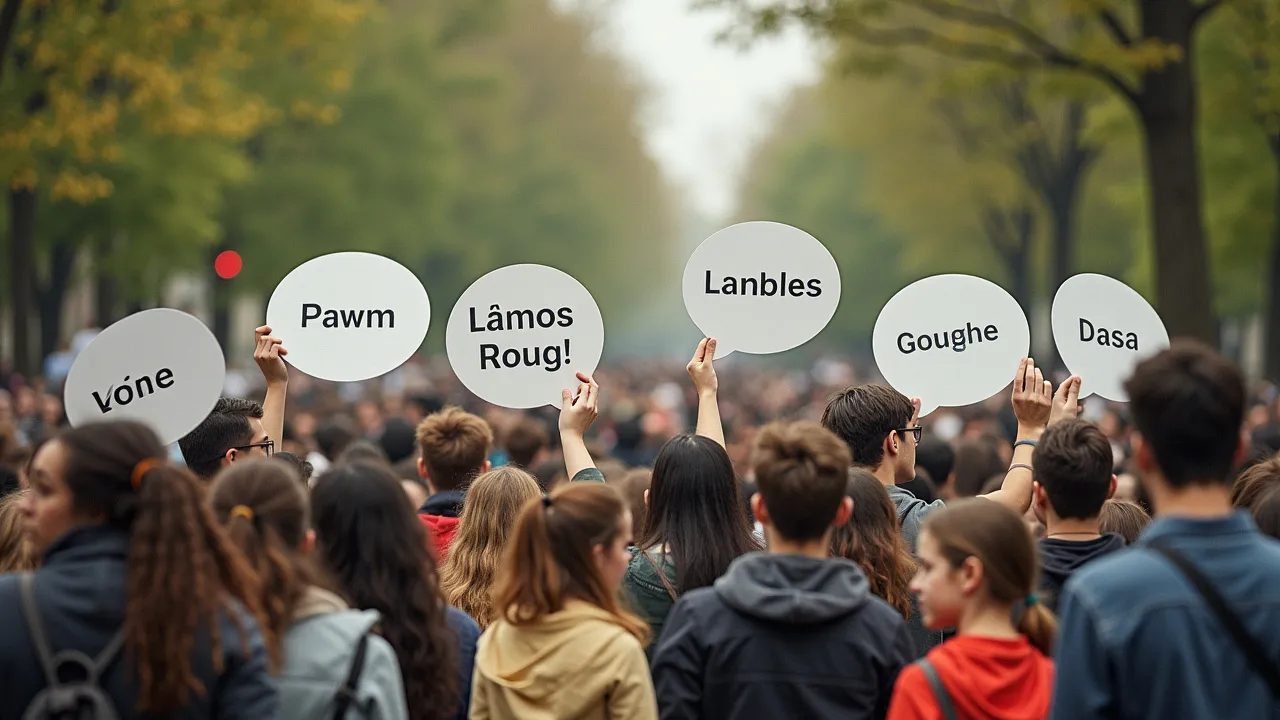
European Day of Languages, observed on September 26th, celebrates linguistic diversity and promotes language learning across Europe. Established by the Council of Europe in 2001, it highlights the importance of multilingualism for cultural understanding and personal development.
The Historical Origins & Evolutionary Journey
The European Day of Languages was proclaimed by the Council of Europe on September 26, 2001, during the European Year of Languages. This initiative was a response to the growing need to foster linguistic diversity and intercultural dialogue in a rapidly integrating Europe.
The Foundational Catalyst
The idea emerged from the Council of Europe's commitment to preserving Europe's rich linguistic heritage. With over 200 languages spoken across the continent, the day aims to raise awareness about the importance of language learning and the preservation of minority and regional languages. The first celebration in 2001 involved over 45 countries organizing events such as language fairs, workshops, and media campaigns.
The Legislative/Official Adoption
The Council of Europe's Committee of Ministers officially designated September 26 as the European Day of Languages. This decision was reinforced by the European Union's support, leading to joint initiatives that expanded the day's reach. Over the years, national governments, educational institutions, and cultural organizations have integrated the day into their calendars, promoting multilingualism as a key pillar of European identity.
Modern Global Legacy
Today, the European Day of Languages is celebrated not only in EU member states but also in candidate countries and beyond. It has inspired similar observances worldwide and has become a catalyst for policy changes in language education. The day's legacy includes the creation of the European Language Portfolio, a tool for learners to document their language skills, and increased funding for language programs.
How to Celebrate European Day of Languages
Celebrating the European Day of Languages can be engaging and educational for individuals, schools, and organizations. Below are actionable strategies organized by audience.
For Individuals
- Learn a new phrase in a language you don't know. Use apps like Duolingo or Memrise.
- Attend a language exchange event in your city or online via platforms like Tandem.
- Watch a film in a foreign language with subtitles to improve listening skills.
- Read a book or article translated from another European language.
For Schools
- Organize a language fair where students present different countries and their languages.
- Host a multilingual poetry slam encouraging students to recite poems in various languages.
- Invite guest speakers from embassies or cultural institutes to talk about linguistic diversity.
For Organizations
- Run a workshop on the benefits of multilingualism in the workplace.
- Create a language buddy system where employees pair up to learn each other's languages.
- Share resources on social media using hashtags like #EuropeanDayOfLanguages.
Across different countries, traditions vary: in France, schools hold 'language breakfasts' with foods from different regions; in Poland, universities organize open lectures on lesser-known languages; in Germany, libraries set up multilingual book displays. The key is to make language learning fun and accessible.
Linguistic Diversity in Europe
Europe is home to a staggering variety of languages, including 24 official EU languages and over 60 regional or minority languages. This diversity is a cultural asset that the European Day of Languages seeks to protect.
Regional and Minority Languages
Languages such as Catalan, Basque, Welsh, and Sami are integral to regional identities. The European Charter for Regional or Minority Languages, adopted in 1992, provides a framework for their protection. Each year, the day highlights specific endangered languages to raise awareness and encourage revitalization efforts.
Immigrant Languages
Migration has brought languages like Arabic, Turkish, and Russian into the European linguistic landscape. The day promotes inclusive policies that recognize these languages as part of Europe's evolving identity.
Sign Languages
National sign languages are also celebrated. The European Union of the Deaf actively participates, advocating for recognition and accessibility.
The Role of Language Learning
Language learning is a core theme of the European Day of Languages. It enhances cognitive abilities, cultural empathy, and employability.
Benefits for Individuals
- Cognitive benefits: Studies show bilingualism improves memory, problem-solving, and multitasking.
- Career advantages: Multilingual employees are in high demand in international business, diplomacy, and tourism.
- Personal growth: Learning a language opens doors to new literature, music, and friendships.
Policy Initiatives
The Council of Europe's 'Language Policy Unit' develops tools like the Common European Framework of Reference for Languages (CEFR), which standardizes proficiency levels. The day promotes the goal of every European learning at least two foreign languages, as endorsed by the European Commission.
Impact on Education Systems
European Day of Languages has influenced curriculum development and teaching methodologies across the continent.
Early Language Learning
Many countries now introduce foreign languages in primary school, sometimes as early as age 6. The day encourages innovative approaches like Content and Language Integrated Learning (CLIL), where subjects are taught in a foreign language.
Assessment and Certification
The day highlights the importance of recognizing language skills through certificates like the European Language Portfolio (ELP) and standardized tests. Schools often hold special events to motivate students.
Teacher Training
Professional development for language teachers is a key focus. Workshops on interactive methods, technology integration, and intercultural competence are commonly organized around September 26.
Future of Multilingualism in Europe
As Europe evolves, so does its linguistic landscape. The European Day of Languages looks ahead to emerging trends and challenges.
Digital Transformation
Language learning apps, AI translation tools, and online exchanges are reshaping how people learn and use languages. The day promotes digital literacy and the ethical use of technology to support linguistic diversity.
Brexit and Language Shifts
The departure of the UK from the EU has shifted dynamics, with English remaining dominant but other languages gaining traction. The day emphasizes the value of all languages.
Inclusive Language Policies
Efforts to include sign languages, indigenous tongues, and languages of migrant communities are intensifying. The day serves as a platform for advocacy.
Historical Timeline
The Council of Europe's Committee of Ministers proposes the establishment of a European Day of Languages to celebrate linguistic diversity.
First European Day of Languages celebrated on September 26, marking the end of the European Year of Languages. Over 45 countries participate.
The European Union officially endorses the day, leading to joint initiatives with the Council of Europe.
Launch of the European Language Portfolio (ELP), a personal document to record language learning achievements, promoted on EDL.
Focus on lesser-used and regional languages; the day highlights preservation efforts.
10th anniversary with events across Europe, including a multilingual conference in Strasbourg.
Preparation for the 20th anniversary; increased social media campaigns and digital resources.
20th anniversary celebrated with virtual events due to the COVID-19 pandemic, reaching a wider audience online.