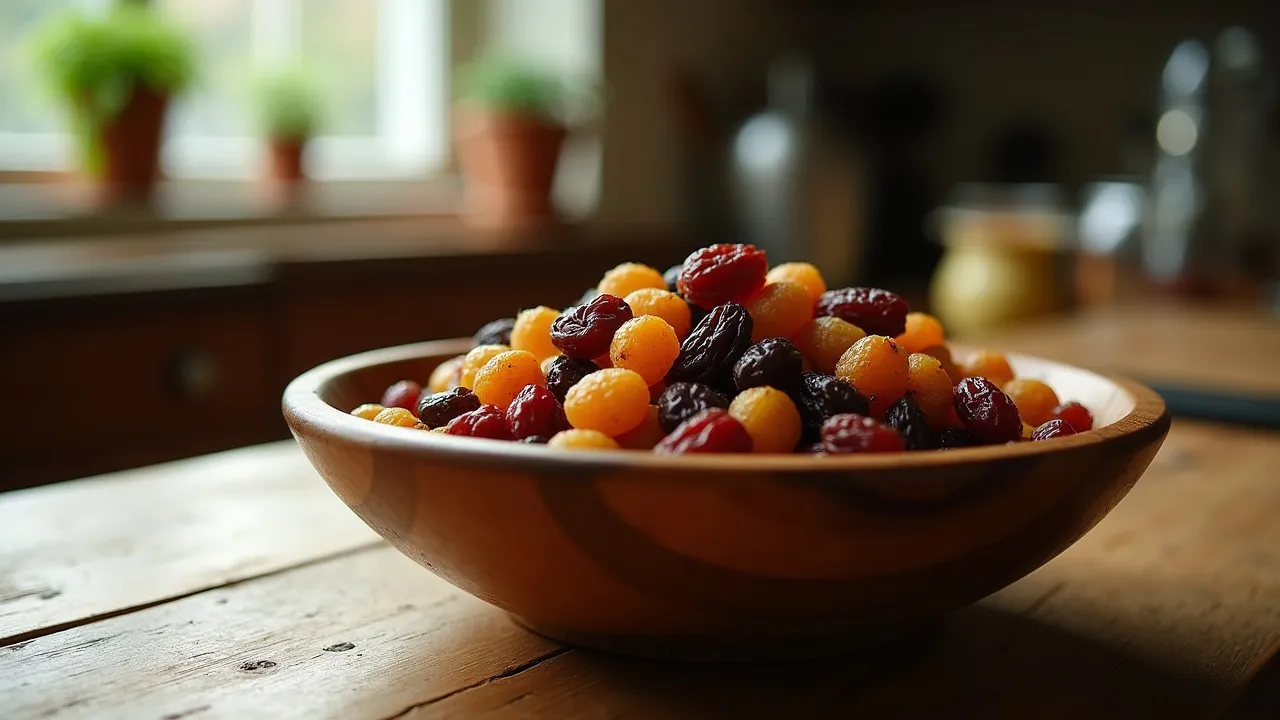
National Raisin Day on April 30th celebrates the humble raisin, a dried grape packed with nutrients. Learn about its rich history, health benefits, and global traditions.
The Historical Origins & Evolutionary Journey
National Raisin Day, observed annually on April 30th, honors one of humanity's oldest and most versatile dried fruits. The day serves as a tribute to the raisin's journey from ancient accidental discovery to modern global staple. While the exact origins of the observance are tied to the California Raisin Marketing Board's promotional efforts, the celebration has evolved into a broader appreciation of raisins' cultural, nutritional, and economic significance.
The Foundational Catalyst: Accidental Discovery
The history of raisins dates back thousands of years. Archaeologists have found evidence of raisin production in ancient Egypt, where grapes were left on the vine to dry naturally in the sun. The process was likely discovered by accident when harvested grapes were forgotten and later found shriveled but sweet and preserved. This natural preservation method allowed raisins to become a valuable food source for long journeys and harsh seasons.
In ancient Rome, raisins were used as currency and as sweeteners in culinary dishes. The Phoenicians and Greeks spread raisin cultivation across the Mediterranean, and by the Middle Ages, raisins were a prized commodity in European trade. The word 'raisin' itself comes from the Latin word 'racemus,' meaning a cluster of grapes.
The Legislative/Official Adoption: National Raisin Day in America
The modern observance of National Raisin Day in the United States gained official momentum in the late 20th century. In 1987, the California Raisin Marketing Board—representing the state's dominant raisin-growing industry—formally established April 30th as National Raisin Day. This date was chosen to coincide with the peak of the raisin marketing season and to encourage consumption before summer snacking trends.
The Board launched promotional campaigns featuring the famous 'California Raisins' claymation characters, which became a pop culture phenomenon. These characters helped boost raisin sales and cemented April 30th as a day to celebrate the fruit. Over the years, the observance has been embraced by schools, nutritionists, and food enthusiasts across the country and beyond.
Modern Global Legacy
Today, National Raisin Day is recognized not only in the United States but also by raisin-producing countries like Turkey, Iran, and Greece, though often under different names or dates. The day serves as a reminder of the raisin's sustainability—drying reduces waste and extends shelf life without preservatives. It also highlights the fruit's role in global cuisine, from Indian pilafs to British tea cakes. The California Raisin Marketing Board continues to promote the day through educational resources, recipes, and social media campaigns.
How to Celebrate National Raisin Day
National Raisin Day offers countless opportunities to enjoy and appreciate raisins. Whether you're at home, in school, or at work, here are actionable ways to celebrate this April 30th.
For Individuals and Families
- Snack Mindfully: Replace processed snacks with a handful of raisins. Create a trail mix with nuts, seeds, and dark chocolate chips.
- Bake Together: Make classic raisin cookies, oatmeal raisin bars, or raisin bread. Involve kids in measuring and mixing.
- Try New Recipes: Experiment with savory dishes like Moroccan couscous with raisins, chicken tagine, or raisin chutney.
- Host a Tasting: Compare different raisin varieties—golden, black, and red—and note flavor and texture differences.
For Schools and Community Groups
- Educational Activities: Teach students about the raisin drying process, history, and geography of raisin production. Use a raisin as a microscope specimen to study shriveled skin.
- Raisin Relay Races: Organize a fun game where participants carry raisins on spoons across a course.
- Nutrition Workshops: Invite a dietitian to discuss the health benefits of raisins, including fiber, iron, and antioxidants.
- Art Projects: Use raisins to create mosaics or count them for math exercises.
- Offer Samples: Grocery stores can set up tasting stations with different raisin products.
- Social Media Campaigns: Share #NationalRaisinDay posts with fun facts and recipes. Run a giveaway with raisin-themed prizes.
- Charitable Partnerships: Donate raisin packs to food banks or include them in care packages for seniors.
For Organizations and Retailers
Global Celebrations
In Turkey, a major raisin producer, the harvest season is celebrated with festivals in October. In Greece, raisins (stafida) are featured in holiday pastries. In Iran, raisin dishes are common in winter. While April 30th is the official US date, many countries incorporate raisins into their own cultural festivities without a fixed day.
Health & Nutrition Benefits of Raisins
Raisins are more than just a sweet treat; they are a nutrient-dense superfood. A quarter-cup serving provides fiber, potassium, iron, and antioxidants. Here’s a breakdown of their health perks.
Rich in Dietary Fiber
Raisins contain about 2 grams of fiber per small box, aiding digestion and promoting regularity. The fiber also helps manage blood sugar levels by slowing sugar absorption, making raisins a smart snack for diabetics in controlled portions.
Natural Source of Iron and Calcium
Raisins provide iron for red blood cell production and calcium for bone health. This is especially beneficial for vegetarians and those at risk of anemia. A handful offers roughly 5% of the daily iron requirement.
Antioxidant Powerhouse
Raisins are packed with polyphenols and flavonoids that combat oxidative stress. These antioxidants help reduce inflammation and lower the risk of chronic diseases like heart disease and cancer. The drying process concentrates these compounds, giving raisins a higher antioxidant density than fresh grapes.
Energy Booster
The natural sugars (glucose and fructose) in raisins provide quick energy, making them ideal for athletes or as a midday pick-me-up. Pair them with protein like nuts for sustained energy.
Dental Health Considerations
While raisins are sticky and sugary, studies show that compounds like oleanolic acid in raisins inhibit bacteria-causing cavities. Rinse your mouth or brush after eating to prevent adhesion.
Moderation is key due to calorie density, but incorporating raisins into a balanced diet offers multiple health advantages.
Economic Impact & Global Production
The raisin industry is a multi-billion-dollar sector that supports economies worldwide. Understanding its scale highlights the importance of National Raisin Day.
Top Producing Countries
- USA (California): Produces over 90% of American raisins, primarily Thompson seedless grapes. The Central Valley's hot, dry climate is ideal for sun-drying.
- Turkey: A leading exporter of sultana raisins, known for their light color and mild flavor.
- Iran: Major producer of black and golden raisins, often used in Middle Eastern cuisine.
- Greece: Famous for currants (small, dark raisins) from Corinth.
- Australia: Produces high-quality seedless raisins for domestic and international markets.
Economic Contributions
In California alone, the raisin industry generates over $1 billion annually and employs thousands of workers during harvest. National Raisin Day boosts marketing efforts, driving consumer demand and supporting small family farms. Global trade in raisins helps stabilize economies in developing regions, with export values exceeding $2 billion yearly.
Sustainability and Innovation
Raisin production is relatively sustainable—grapes require less water than many crops, and drying reduces spoilage. Innovations like continuous belt driers and organic farming practices are reducing environmental impact. National Raisin Day often highlights these eco-friendly aspects.
Culinary Uses & Recipes Across Cultures
Raisins add natural sweetness and texture to both sweet and savory dishes. Here’s a global tour of culinary traditions that feature this versatile ingredient.
Classic Dishes
- Oatmeal Raisin Cookies: A beloved American staple, with rolled oats and plump raisins complemented by cinnamon and nutmeg.
- Raisin Bread: Swirled dough with cinnamon and raisins, often served toasted for breakfast.
- Pilaf and Biryani: In Indian and Middle Eastern cuisine, raisins add bursts of sweetness to rice dishes alongside nuts and saffron.
Regional Specialties
- Moroccan Tagine: A slow-cooked stew of meat, vegetables, and raisins, often with turmeric and cumin.
- German Stollen: A fruitcake-like bread with raisins, almonds, and marzipan, enjoyed during Christmas.
- British Eccles Cakes: Flaky pastries filled with currants (small raisins) and spiced butter.
- Ethiopian Injera: Sometimes raisins are added to the lentil stews served on this sourdough flatbread.
Modern Twists
Raisins now appear in salads (e.g., spinach salad with raisins, walnuts, and feta), yogurt parfaits, and even as a natural sweetener in smoothies. They can be soaked in rum for holiday desserts or pureed into sauces for meat dishes. National Raisin Day is the perfect time to experiment with these recipes.
Fun Facts, Myths & Curiosities
Raisins have a rich folklore and quirky facts that make National Raisin Day even more engaging.
Surprising Facts
- Raisins are grapes that have been dried for 2-3 weeks: The process concentrates sugars, making them 70% fructose and glucose.
- Ancient Romans used raisins as a form of currency: They were valuable for their long shelf life and portability.
- The world's largest raisin was discovered in 2017, weighing 1.5 ounces: It was a dried Muscat grape from Turkey.
- The California Raisins claymation characters were so popular in the 1980s that they inspired a TV special and several albums.
Common Myths Debunked
- Myth: Raisins are high in unhealthy sugar. Fact: While they are sugary, they offer fiber and nutrients, and their glycemic load is moderate when eaten in moderation.
- Myth: Raisins are just for baking. Fact: They shine in savory dishes, sauces, and even cocktails.
- Myth: All raisins are the same. Fact: Varieties like golden, black, and red differ in flavor, texture, and antioxidant content due to grape type and drying method.
Raisin in Pop Culture
The phrase 'raisin' is often used to describe wrinkled skin, but it also appears in idioms like 'raisin the roof' (a pun) or 'raisin cane' (a Southern tradition). National Raisin Day encourages a humorous appreciation for this fruit.
Historical Timeline
Raisins are discovered accidentally when grapes are left to dry on the vine in Egypt and Persia. They become a staple for long journeys.
Roman Empire uses raisins as currency and as a sweetener in cooking. The extent of raisin trade routes expands across the Mediterranean.
California cultivates its first commercial raisin crop, using Thompson seedless grapes. The industry begins to flourish.
The USDA reportedly declares April 30 as National Raisin Day, though the date later becomes associated with the California Raisin Marketing Board's 1987 campaign.
California Raisin Marketing Board officially establishes National Raisin Day on April 30 to boost sales and promote the new 'California Raisins' advertising characters.
National Raisin Day gains popularity through school programs and media features. Raisin consumption in the US increases by 20%.
The USDA releases updated dietary guidelines highlighting raisins as a source of fiber and potassium, reinforcing the day's nutritional message.
During the COVID-19 pandemic, National Raisin Day is celebrated virtually with online baking tutorials and health webinars, expanding its reach.