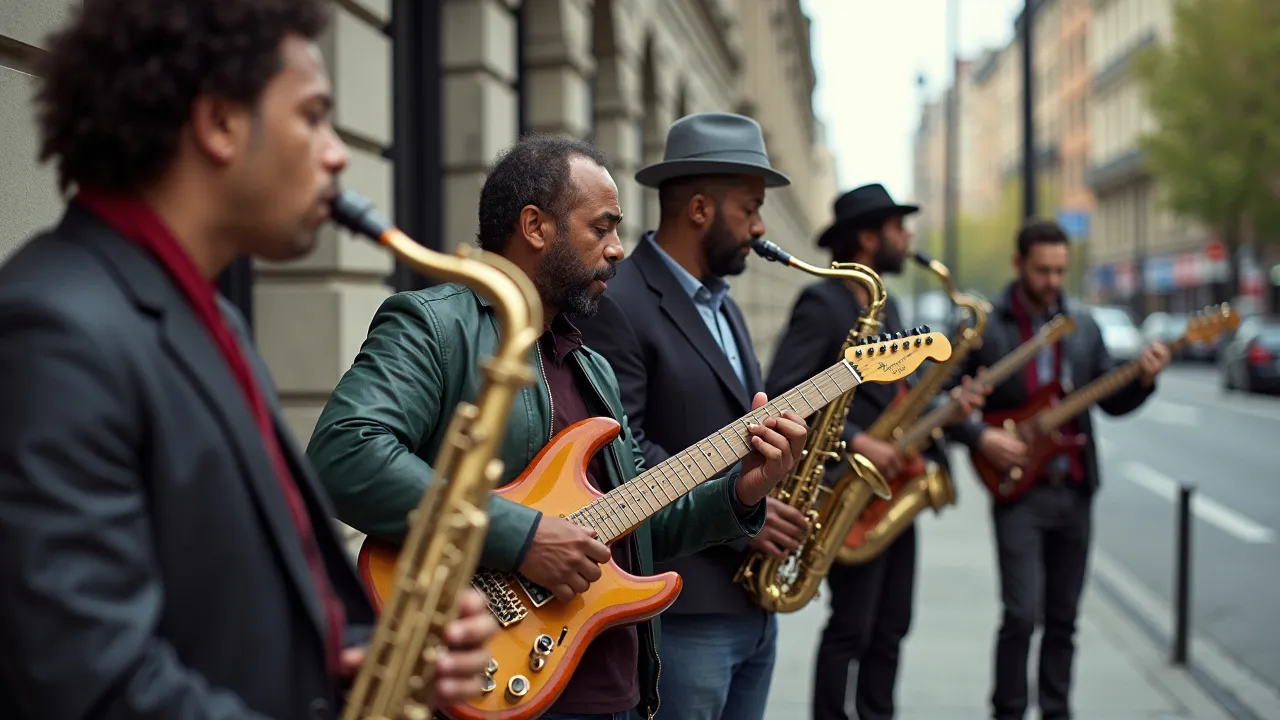
International Jazz Day, celebrated on April 30th, honors jazz as a universal force for peace, unity, and cross-cultural dialogue. Established by UNESCO in 2011, it features global concerts, educational workshops, and community jam sessions.
The Historical Origins & Evolutionary Journey
International Jazz Day was officially proclaimed by UNESCO in November 2011 at the organization's General Conference, with the first celebration taking place on April 30, 2012. The initiative was spearheaded by the American jazz pianist and composer Herbie Hancock, who serves as a UNESCO Goodwill Ambassador for Intercultural Dialogue. Hancock envisioned a day that would harness the power of jazz to foster global peace, mutual understanding, and cultural exchange.
The Foundational Catalyst
Jazz originated in the African American communities of New Orleans in the late 19th and early 20th centuries, blending elements of blues, ragtime, and European harmonies. Over the decades, it evolved into a global language of freedom and expression. By the early 2000s, UNESCO recognized jazz's unique capacity to bridge cultural divides. The designation of April 30th as International Jazz Day was a strategic move to coincide with the end of the organization's annual Jazz Day celebration in Paris and to emphasize jazz's role in promoting dialogue among peoples.
The Legislative/Official Adoption
The United Nations Educational, Scientific and Cultural Organization (UNESCO) approved the resolution establishing International Jazz Day on November 18, 2011. The resolution highlighted jazz as a means to "build bridges between peoples, promote intercultural dialogue, and foster a culture of peace." The first global host city was New Orleans, Louisiana, the birthplace of jazz, with a spectacular concert featuring artists from around the world. Since then, the host city has rotated annually, including Istanbul (2013), Osaka (2014), and Paris (2015).
Modern Global Legacy
Today, International Jazz Day is celebrated in over 190 countries, with thousands of events ranging from intimate jam sessions to large-scale concerts in iconic venues like the United Nations General Assembly and the White House. The day has become a platform for addressing social issues such as racial equality, gender justice, and youth empowerment. Herbie Hancock's leadership and the involvement of thousands of artists, educators, and community organizers ensure that jazz's legacy of improvisation and collaboration continues to inspire new generations.
How to Celebrate International Jazz Day
International Jazz Day offers countless ways for individuals, schools, and organizations to participate. The key is to embrace the spirit of improvisation and collaboration that defines jazz. Here are actionable strategies for celebrating across different contexts:
For Individuals and Families
- Attend a live jazz concert or jam session: Check local venues, parks, and community centers for events. Many cities offer free outdoor concerts on April 30th.
- Host a jazz listening party: Curate a playlist of classic and contemporary jazz artists, from Louis Armstrong to Esperanza Spalding. Encourage guests to share their favorite tracks.
- Learn a jazz instrument or song: Register for a beginner workshop online or through a local music school. Platforms like Coursera and YouTube offer free lessons.
For Schools and Universities
- Organize a jazz history lecture or panel discussion: Invite musicians, historians, and cultural critics to discuss jazz's evolution and societal impact.
- Hold a student jazz competition: Encourage ensembles to perform original compositions or standard jazz pieces. Offer prizes such as scholarships or recording time.
- Create a collaborative art project: Combine jazz music with visual arts, dance, or poetry. Have students improvise in response to live jazz performances.
For Organizations and Businesses
- Sponsor a community concert or workshop: Partner with local jazz societies or nonprofit arts organizations. Provide funding, venues, or promotional support.
- Host a team-building jazz jam: Hire a facilitator to lead employees through basic improvisation exercises, fostering creativity and collaboration.
- Launch a social media campaign: Use hashtags like #InternationalJazzDay and #JazzDay to share stories, photos, and videos. Encourage user-generated content.
In different regions, traditions vary. In New Orleans, parades and street performances dominate; in Paris, concerts at the Seine River attract thousands; in Tokyo, schools hold mass ensemble sessions. Regardless of location, the core ethos is participation and celebration of jazz's unifying power.
The Global Impact of International Jazz Day
International Jazz Day has a profound global impact, transcending mere musical celebration. It serves as a catalyst for cultural diplomacy, economic revitalization, and social cohesion. According to UNESCO, over 1 billion people have been reached through Jazz Day events, making it one of the largest cultural awareness initiatives worldwide.
Cultural Diplomacy and International Relations
Jazz has a long history as a tool of soft power. During the Cold War, the U.S. State Department sent jazz ambassadors like Duke Ellington and Dizzy Gillespie abroad to promote American culture and values. International Jazz Day continues this tradition, but with a multilateral approach. Host cities and participating nations use the day to showcase their cultural heritage while engaging with global audiences. For example, the 2016 event in Washington, D.C., featured performances by musicians from 40 countries and included a summit on jazz and diplomacy at the State Department.
Economic Revitalization
Jazz festivals and events generate significant tourism revenue. Cities like New Orleans, Montreal, and Copenhagen report millions of dollars in economic activity during Jazz Day celebrations. Local businesses—hotels, restaurants, and music venues—benefit from increased foot traffic. Additionally, the day promotes the music industry, driving album sales, streaming numbers, and instrument sales.
Social Cohesion and Racial Justice
Jazz emerged from the African American experience and has always been a voice for civil rights. International Jazz Day amplifies this legacy by hosting events that address racial inequality and promote diversity. In 2020, after George Floyd's murder, many Jazz Day events focused on Black Lives Matter, featuring spoken word, protest songs, and discussions on systemic racism. The day also highlights gender equity, with initiatives like Women in Jazz workshops and all-female ensemble showcases.
Jazz as a Tool for Cultural Diplomacy
Cultural diplomacy uses cultural exchange to build trust and understanding between nations. Jazz, with its roots in cross-cultural fusion, is ideally suited for this role. International Jazz Day partners with diplomatic missions, UNESCO field offices, and cultural institutes to facilitate cross-border collaborations.
Case Studies in Diplomatic Jazz
- US-Cuba Thaw: Following the 2014 détente, jazz musicians from both nations performed together at the 2015 International Jazz Day in Paris, symbolizing new diplomatic openings.
- Middle East Peace Efforts: In 2018, Israeli and Palestinian jazz musicians co-headlined a concert in Jerusalem, using improvisation to bridge political divides.
- Asia-Africa Exchanges: The 2019 event in Melbourne featured collaborations between Aboriginal and South African jazz artists, highlighting shared histories of struggle and resilience.
These initiatives demonstrate that jazz can open channels of communication where formal diplomacy struggles, thanks to its emphasis on listening, mutual respect, and spontaneous creativity.
Educational Initiatives and Youth Engagement
Education is a cornerstone of International Jazz Day. UNESCO and its partners run year-round programs to introduce young people to jazz, its history, and its techniques. The day itself features masterclasses, school concerts, and online resources.
Key Educational Programs
- Jazz at Lincoln Center's Let Freedom Swing: This program provides curriculum guides and workshops for K-12 teachers, linking jazz to subjects like history, math, and language arts.
- The Herbie Hancock Institute's International Jazz Day Contest: Students aged 13-25 can submit original compositions or performances for a chance to perform at the global host city concert.
- UNESCO's Jazz Day Online Toolkit: Free resources include lesson plans, video interviews with legends, and interactive timeline activities.
Youth engagement is critical because jazz audiences are aging. By making jazz accessible through digital platforms and contemporary collaborations (e.g., hip-hop jazz fusion), International Jazz Day ensures the genre remains relevant. Many schools now hold annual Jazz Day assemblies where students learn about improvisation, syncopation, and the role of jazz in social movements.
The Economic and Social Significance of Jazz
Beyond its artistic value, jazz contributes significantly to local economies and social structures. International Jazz Day amplifies these contributions by drawing attention to the jazz ecosystem.
Economic Data
According to a 2019 report by the International Federation of the Phonographic Industry (IFPI), jazz generates over $2 billion annually in global revenue, including live performances, recordings, and merchandise. Jazz festivals attract 15 million attendees each year. In the United States alone, the jazz industry supports over 80,000 jobs. International Jazz Day boosts these numbers by creating a concentrated period of activity.
Social Impact
Jazz clubs and community centers serve as safe spaces for cross-cultural interaction. In cities like Chicago and Paris, Jazz Day events are often held in underserved neighborhoods, providing free access to the arts. Studies show that participation in jazz programs improves cognitive skills, emotional intelligence, and teamwork. The day also promotes mental health awareness, with music therapy workshops integrated into some celebrations.
In summary, International Jazz Day is not merely a celebration of music but a multifaceted initiative that fosters cultural exchange, economic vitality, and social progress. Its continued growth underscores jazz's enduring relevance in a rapidly changing world.
Historical Timeline
UNESCO's General Conference proclaims April 30th as International Jazz Day. Herbie Hancock is named UNESCO Goodwill Ambassador and leads the initiative.
First International Jazz Day celebrated globally. Host city: New Orleans. Concert features Herbie Hancock, Wynton Marsalis, and other legends.
Host city: Osaka, Japan. Focus on youth education; over 100 schools participate in a simultaneous playing of 'When the Saints Go Marching In.'
Host city: Washington, D.C. U.S. State Department hosts a summit on jazz diplomacy. Over 500 events worldwide.
Host city: Melbourne, Australia. Emphasizes Indigenous jazz and First Nations cultural exchange. Global reach exceeds 1 billion impressions.
Due to COVID-19, events move online. Global livestream concert features dozens of musicians performing from home. Record 2 million viewers.
Host city: Casablanca, Morocco. First African host city. Highlights North African jazz traditions and includes a women-only jam session.