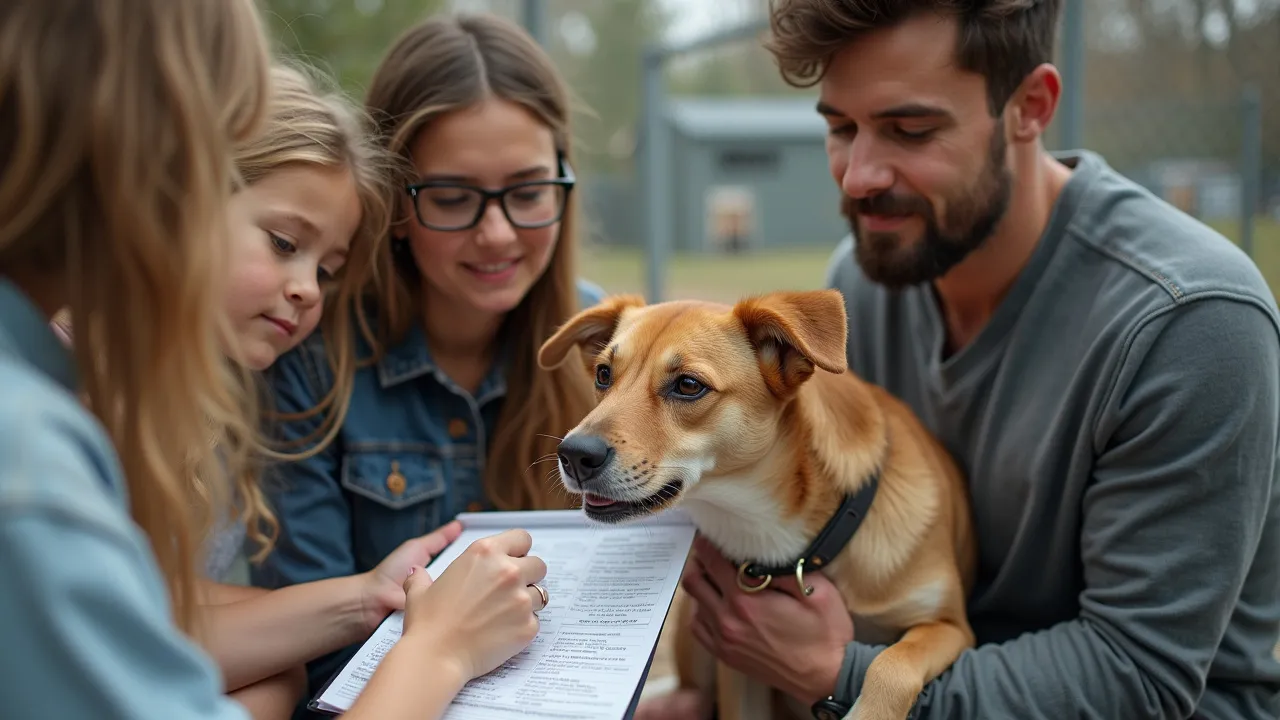
Adopt a Shelter Pet Day on April 30th urges people to adopt pets from shelters rather than buying them, saving lives and reducing overpopulation. This day celebrates the joy of adoption and promotes animal welfare worldwide.
The Historical Origins & Evolutionary Journey
Adopt a Shelter Pet Day, observed annually on April 30th, was founded by the American Society for the Prevention of Cruelty to Animals (ASPCA) in 2010 to address the critical issue of pet overpopulation and to encourage the adoption of homeless animals. This day has since become a global movement, transforming public perception of shelter pets and reducing euthanasia rates. The observance evolved from earlier animal welfare campaigns, such as the first Be Kind to Animals Week in 1915, but specifically targeted the shelter adoption gap.
The Foundational Catalyst
The mid-20th century saw a dramatic rise in pet ownership, but also an increase in stray and unwanted animals. By the 1970s, U.S. shelters were euthanizing approximately 20 million animals annually. Grassroots organizations began promoting spaying/neutering, but adoption rates remained low due to stigmatization of shelter pets as "damaged" or "unwanted." The ASPCA, founded in 1866, launched educational campaigns emphasizing the benefits of adoption. In the 2000s, the "Adopt, Don't Shop" slogan gained traction on social media, culminating in the official establishment of Adopt a Shelter Pet Day in 2010.
The Legislative/Official Adoption
In 2010, the ASPCA officially declared April 30th as Adopt a Shelter Pet Day. The date was chosen to coincide with spring, a peak time for litters, and to precede the summer influx of stray animals. The observance was endorsed by major animal welfare organizations like the Humane Society of the United States, Best Friends Animal Society, and local shelters nationwide. Legislative support followed: many states implemented "shelter pet privilege" laws, requiring pet stores to source animals only from shelters. The day also aligned with National Animal Shelter Appreciation Week in November, creating a year-round focus on adoption.
Modern Global Legacy
Today, Adopt a Shelter Pet Day has spread to over 30 countries, with shelters hosting open houses, reduced-fee adoptions, and social media campaigns. The observance has contributed to a significant decline in shelter euthanasia—down to approximately 1.5 million annually in the U.S. as of 2023. In the UK, the charity Battersea Dogs & Cats Home runs parallel events. The day also highlights emerging challenges, such as the rise of pet abandonment during economic downturns and the need for post-pandemic adoption support. Modern technology, including mobile adoption units and online matching platforms, has further revolutionized the adoption process.
How to Celebrate Adopt a Shelter Pet Day
Adopt a Shelter Pet Day offers countless ways to participate, whether you are an individual, family, school, or corporation. The ultimate goal is to promote adoption and support shelter animals. Below are actionable strategies for different groups.
For Individuals and Families
- Adopt a pet: Visit your local animal shelter or rescue group. Spend time with animals to find a compatible match. Many shelters offer trial periods and post-adoption support.
- Foster a pet: If adoption isn't permanent, consider fostering. Foster homes reduce shelter overcrowding and help animals adjust to home life.
- Donate supplies or money: Shelters need food, bedding, toys, and medical supplies. Financial contributions support spay/neuter programs and emergency care.
- Volunteer your time: Walk dogs, socialize cats, clean kennels, or assist with adoption events. Even a few hours make a difference.
- Spread awareness: Share social media posts using #AdoptAShelterPetDay, tag local shelters, and tell your network about the benefits of adoption.
For Schools and Youth Groups
- Organize a supply drive: Collect food, blankets, and toys for a local shelter. Provide a list of needed items.
- Host an educational assembly: Invite a shelter worker or vet to speak about responsible pet ownership and adoption.
- Classroom adoption stories: Have students research and present stories of adopted pets, emphasizing the transformation and joy.
For Corporations and Organizations
- Sponsor adoption fees: Some companies cover the cost of adoption for employees or the general public as a community outreach event.
- Host an adoption event: Set up a temporary adoption space in your office parking lot or lobby. Provide exposure for shelter pets.
- Matching gift programs: Double employee donations to animal shelters or rescue groups.
- Volunteer day: give employees paid time off to volunteer at a shelter.
Globally, traditions vary: In Japan, some shelters offer "cat cafes" as adoption centers; in the UK, #AdoptDon’tShop trends heavily on April 30th; in Australia, shelters partner with pet stores for adoption drives. Always check local shelter protocols and promote adoption as a lifelong commitment.
The Overpopulation Crisis and Shelter Statistics
The overpopulation of companion animals is a global crisis, with millions of healthy dogs and cats euthanized each year due to lack of homes. Adopt a Shelter Pet Day directly confronts this issue by driving public attention to the problem and offering solutions. Key statistics illustrate the scale:
- Approximately 6.3 million companion animals enter U.S. shelters annually (ASPCA, 2023).
- About 920,000 of these animals are euthanized each year.
- Of those entering shelters, only 4.1 million are adopted.
- Around 2 million are returned to their owners via microchip or ID tag.
- Globally, stray dog populations exceed 200 million, with India having the highest number.
Regional Hotspots
Developing nations face even greater challenges due to limited sterilization resources. In Romania, for example, thousands of strays roam streets; private shelters struggle to keep up. The day helps raise global awareness and funds for spay/neuter initiatives. In the U.S., the number of shelter euthanasias has dropped from 2.6 million in 2011 to 920,000 in 2023, thanks partly to adoption advocacy. However, the COVID-19 pandemic initially boosted adoptions, but a subsequent surge in returns occurred as people returned to work. Continued education on adoption is essential.
Benefits of Adopting vs. Buying from Breeders or Pet Stores
Adopting a shelter pet offers numerous advantages over purchasing from breeders or pet stores. These benefits span ethical, financial, and health considerations. Ethical superiority: Adoption directly saves a life and reduces demand for puppy mills and irresponsible breeding. Many pet stores source animals from commercial breeding facilities where welfare is ignored. Health advantages: Shelter pets are typically spayed/neutered, vaccinated, microchipped, and health-checked before adoption. Adoption fees are often lower than purchase prices and cover initial veterinary care. Behavioral support: Shelters often provide behavioral assessments and training resources, helping adopters find a pet that matches their lifestyle. Lower cost: Adoption fees range from $50 to $200, while buying a purebred dog from a breeder can cost hundreds or thousands of dollars. Moreover, shelter pets are often already house-trained and socialized, reducing training costs. Unique companions: Shelter animals come in all ages, sizes, and temperaments, including purebreds, giving adopters a wide selection. Adopting an older pet can be especially rewarding as they are often calmer and already accustomed to home life.
Common Myths Debunked
- Myth: Shelter pets are damaged or unhealthy. Reality: Most are healthy, and any medical or behavioral issues are disclosed.
- Myth: Only mutts are in shelters. Reality: Approximately 25% of shelter dogs are purebred.
- Myth: You can't find a specific breed. Reality: Breed-specific rescues exist for nearly every breed, often housed in shelters.
How Shelters Prepare Pets for Adoption
Animal shelters employ comprehensive protocols to ensure pets are healthy, behaviorally sound, and ready to join a family. The process typically involves several stages, detailed below.
Intake and Assessment
Upon arrival, each animal undergoes a veterinary exam to identify medical issues. They are vaccinated, dewormed, and tested for common diseases. A behavioral assessment evaluates temperament, reactivity, and suitability for different homes. This includes tests for aggression toward humans and other animals, resource guarding, and anxiety.
Medical Care and Sterilization
Spaying or neutering is a standard protocol before adoption. Shelters also treat any injuries, infections, or chronic conditions. Microchipping and registration ensure permanent identification. Follow-up care instructions are given to adopters.
Behavioral Rehabilitation
Shelters use positive reinforcement training to teach basic commands and reduce stress. Animals that are fearful or traumatized receive behavior modification from trained staff or volunteers. For difficult cases, rescue networks may transfer animals to specialized facilities. Many shelters also provide enrichment activities like socialization with other pets, puzzle toys, and regular exercise to prepare pets for home life.
Matching and Adoption Counseling
Adoption counselors work with potential adopters to find a compatible pet. They discuss lifestyle, housing, children, and other pets. Post-adoption support often includes training resources, follow-up calls, and even a trial period to ensure a good fit. This reduces the likelihood of return and ensures a successful lifelong bond.
Global Adoption Trends and Cultural Differences
Adopt a Shelter Pet Day is celebrated worldwide, but attitudes toward shelter adoption vary significantly across cultures. In the United States, adoption is widely promoted, yet purebred demand remains high. The UK has a strong "adopt, don’t shop" culture, with the RSPCA and Battersea leading campaigns. In Japan, shelter pets sometimes face stigma, but recent social media efforts have improved adoption rates. Germany has a mandatory microchipping and registration system that facilitates owner reunification, reducing shelter populations. In many Latin American countries, stray overpopulation is severe, and shelters lack resources; adoption drives often focus on international rescues to Europe or the US. Australia has a robust foster network and high adoption rates. In India, grassroots groups run sterilization campaigns and adoption drives via social media. The global trend is toward increased adoption, but challenges persist: cultural preferences for certain breeds, lack of spay/neuter laws, and economic constraints. The day fosters cross-cultural exchange of best practices, such as trap-neuter-return (TNR) for community cats and microchipping mandates.
Emerging Trends
Virtual adoption events: Use of zoom and social media to showcase pets during pandemic.
Transportation programs: Moving pets from high-kill shelters to regions with low adoption rates.
Corporate partnerships: Pet supply companies sponsoring adoption fees.
Legislation: Many countries are banning retail pet sales to force adoption (e.g., New York State in 2022).
Corporate and Community Involvement
Beyond individual actions, corporate and community involvement amplifies the impact of Adopt a Shelter Pet Day. Companies can integrate adoption advocacy into their CSR (Corporate Social Responsibility) initiatives. Examples include PetSmart Charities® hosting adoption centers in stores, Pedigree donating food for every adoption, and Uber offering free rides to shelters. Community organizations can collaborate: local businesses sponsor supplies, schools hold fundraising events, and media outlets run adoption stories. Shelters often extend adoption hours or offer fee-waived adoptions on April 30th. Nonprofit partnerships with animal welfare groups on this day maximize visibility. For instance, the ASPCA’s #ClearTheShelters campaign, often held in August but sometimes referencing April 30th, has successfully found homes for thousands of pets. Communities can create a vibrant ecosystem of support, from low-cost spay/neuter clinics to pet-friendly housing advocacy. The day is also used to lobby for stricter breeding regulations and support for animal rescues during natural disasters.
Historical Timeline
The American Society for the Prevention of Cruelty to Animals (ASPCA) is founded in New York, laying the groundwork for modern animal welfare.
The first U.S. no-kill shelter, the San Francisco SPCA, opens, pioneering the concept of adoption-centric rescue.
The 'Adopt, Don't Shop' slogan gains traction through grassroots campaigns and pet adoption websites like Petfinder.com launched in 1996.
The ASPCA officially establishes Adopt a Shelter Pet Day on April 30th, aiming to increase adoption rates and reduce euthanasia.
The first #ClearTheShelters nationwide adoption event is held, later expanding to multiple dates per year.
Social media campaigns for Adopt a Shelter Pet Day reach over 100 million impressions, with celebrities like Betty White endorsing adoption.
During the COVID-19 pandemic, shelters see a surge in adoptions and fostering; Adopt a Shelter Pet Day shifts to virtual events.
New York State passes a law banning pet store sales of dogs, cats, and rabbits, mandating they come from shelters or rescues only.
U.S. shelter euthanasia rate drops to 920,000 annually, the lowest in decades, partly due to adoption awareness.