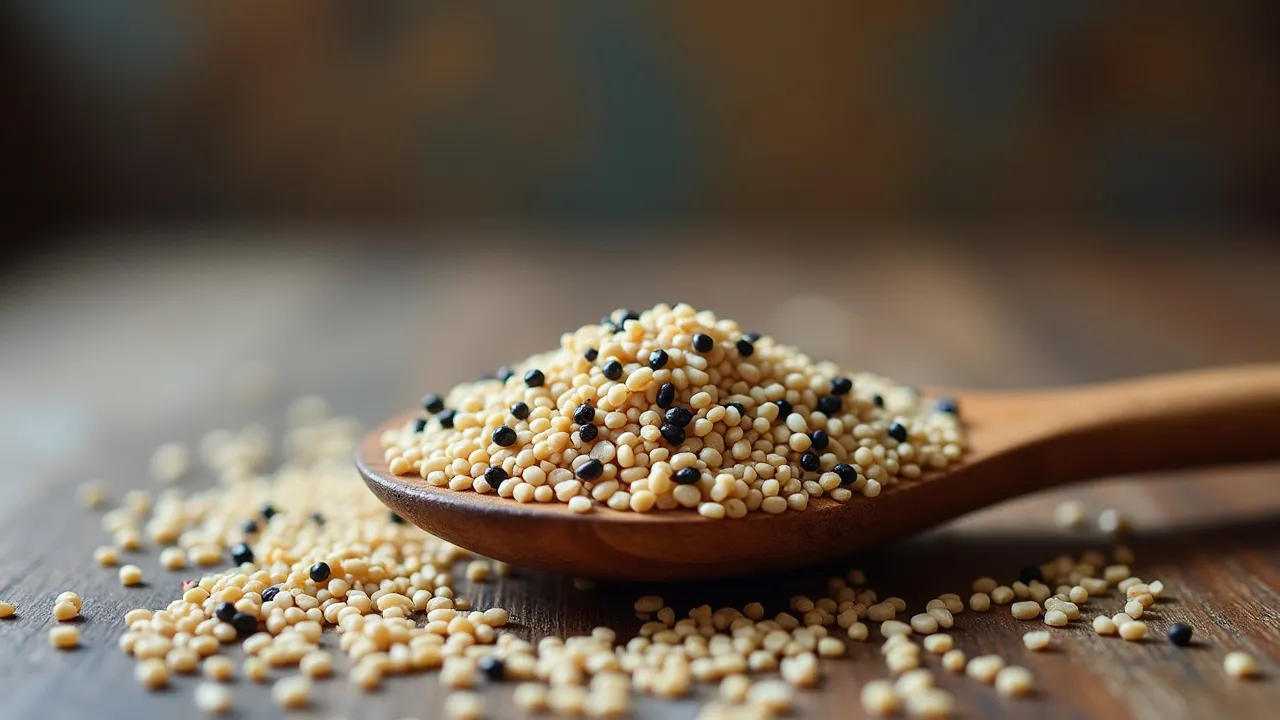
National Quinoa Day is celebrated every January 16th to honor the ancient Andean superfood. Rich in protein and fiber, quinoa is a versatile grain that supports healthy eating and sustainable agriculture.
The Historical Origins & Evolutionary Journey of National Quinoa Day
National Quinoa Day, observed annually on January 16th, honors a grain that has sustained civilizations for millennia. While the exact origin of the observance remains unclear, it emerged in the early 2010s alongside quinoa's surge in global popularity. The day likely began as a marketing initiative by health food brands and agricultural groups to highlight quinoa's nutritional benefits and cultural significance.
The Foundational Catalyst: Quinoa’s Ancient Roots
Quinoa (Chenopodium quinoa) was first domesticated over 4,000 years ago in the Andean region of South America. The Incas revered it as the "mother grain" and used it in sacred ceremonies. Despite its ancient heritage, quinoa remained relatively unknown outside the Andes until the late 20th century.
The Legislative/Official Adoption of National Quinoa Day
No official government proclamation established National Quinoa Day. Instead, it was popularized through social media, food blogs, and the Whole Grains Council’s advocacy. The date January 16th was chosen to coincide with the post-holiday health-conscious season, encouraging people to adopt nutritious eating habits.
Modern Global Legacy
Today, National Quinoa Day is celebrated across the United States and internationally. It has evolved from a niche observance into a platform for promoting sustainable agriculture, fair trade practices, and culinary diversity. The day also serves as a reminder of quinoa's role in combating global food insecurity.
How to Celebrate National Quinoa Day in 2024
National Quinoa Day offers countless ways to appreciate this versatile superfood. Whether you're a home cook, educator, or health enthusiast, here's the ultimate guide to celebrating on January 16th.
For Individuals and Families
- Cook a new quinoa recipe: Try a savory quinoa bowl with roasted vegetables and tahini dressing, or a sweet quinoa breakfast porridge with berries.
- Host a quinoa tasting party: Prepare different varieties (white, red, black, tri-color) and compare textures and flavors.
- Share on social media: Post your quinoa creations using #NationalQuinoaDay to join the global conversation.
For Schools and Educational Institutions
- Organize a nutrition lesson: Teach students about quinoa's history and health benefits.
- Cook-off competition: Challenge classes to invent their own quinoa dishes.
- Cultural presentation: Explore the Andean traditions surrounding quinoa cultivation.
For Restaurants and Businesses
Offer a special quinoa menu item for the day. Promote it with a story about quinoa's journey from the Andes to your plate. Consider donating a portion of proceeds to fair-trade quinoa farming cooperatives.
Health Benefits of Quinoa: Why This Superfood Deserves a Day
Quinoa is celebrated for its exceptional nutritional profile. It is a complete protein, containing all nine essential amino acids, making it ideal for vegetarians and vegans. Here are key benefits supported by science:
Rich in Fiber and Micronutrients
One cup of cooked quinoa provides 5 grams of fiber and significant amounts of magnesium, potassium, and iron. Regular consumption supports digestive health and reduces inflammation.
Gluten-Free and Low Glycemic Index
Quinoa is naturally gluten-free, making it a safe grain alternative for those with celiac disease. Its low glycemic index helps stabilize blood sugar levels, beneficial for diabetes management.
Antioxidant Properties
Quinoa contains flavonoids like quercetin and kaempferol, which have antioxidant and anti-inflammatory effects. These compounds may lower the risk of chronic diseases.
Culinary Versatility: From Ancient Staple to Modern Delight
Quinoa's neutral, nutty flavor makes it a perfect canvas for both sweet and savory dishes. Its quick cooking time (about 15 minutes) adds convenience. Explore these popular preparations:
- Salads: Combine cooked quinoa with cucumbers, tomatoes, feta, and lemon vinaigrette for a refreshing lunch.
- Bowls: Layer quinoa with roasted chickpeas, avocado, and tahini sauce for a hearty meal.
- Soups and stews: Add quinoa to vegetable soup to boost protein and texture.
- Breakfast: Cook quinoa in almond milk and top with nuts, honey, and fruit.
- Baking: Use quinoa flour to make gluten-free bread, muffins, or pancakes.
Chefs worldwide are also incorporating quinoa into sushi, burgers, and even desserts like quinoa chocolate bark.
Global Impact: Quinoa’s Role in Food Security and Sustainability
The surge in quinoa demand has had profound effects on Andean farmers. While it has brought economic opportunities, it also raised concerns about fair trade and environmental sustainability. The United Nations declared 2013 the International Year of Quinoa to raise awareness.
Economic Empowerment
Quinoa exports have lifted many Bolivian and Peruvian farmers out of poverty. However, price volatility and monoculture risks challenge long-term stability. Fair-trade certifications help ensure equitable compensation.
Environmental Resilience
Quinoa is remarkably hardy, tolerating high altitudes, drought, and saline soils. It requires less water than many grains, making it a climate-friendly crop. Research is expanding quinoa cultivation to Africa and Asia.
Challenges and Solutions
Increased demand led to land degradation and loss of biodiversity in traditional quinoa varieties. Initiatives like the Quinoa Biodiversity Park in Bolivia aim to preserve heirloom seeds and promote sustainable farming.
Regional Variations and International Observances
While National Quinoa Day is primarily a U.S. observance (January 16th), other countries celebrate quinoa in different ways. The United Nations’ International Year of Quinoa in 2013 spurred global recognition. In Peru and Bolivia, quinoa festivals often coincide with harvest seasons around March or April. European nations mark the day with food fairs and cooking workshops. Australia and New Zealand celebrate in late summer (February) due to seasonal differences.
Despite date variations, the core themes of health, heritage, and sustainability unite quinoa enthusiasts worldwide. Schools in Canada incorporate quinoa lessons on January 16th, while Japanese food bloggers share innovative recipes. The global quinoa community continues to grow.
Fun Facts About Quinoa You Didn’t Know
Quinoa is full of surprises. Here are some fascinating tidbits to share on National Quinoa Day:
Quinoa is technically a seed, not a grain, but is classified as a whole grain due to its similar nutrient profile.
There are over 1,800 known quinoa varieties, ranging in color from white to black to orange.
The Incas called quinoa chisaya mama meaning "mother of all grains."
Quinoa was first introduced to the United States in the 1970s but didn't gain popularity until the 2000s.
The leaves of the quinoa plant are also edible, similar to spinach.
Historical Timeline
Quinoa is domesticated in the Andean region, likely around Lake Titicaca in Peru and Bolivia.
Spanish conquistadors suppress quinoa cultivation due to its association with Inca religious ceremonies.
Quinoa is introduced to the United States as a health food, but remains niche.
The Whole Grains Council is formed, later promoting quinoa as a whole grain.
Quinoa gains mainstream popularity as a gluten-free superfood. Sales skyrocket.
Early mentions of National Quinoa Day appear on food blogs, with January 16th as the date.
The United Nations declares the International Year of Quinoa, highlighting its nutritional and economic value.
Quinoa production expands to Africa, Asia, and Europe. National Quinoa Day grows as a global social media trend.