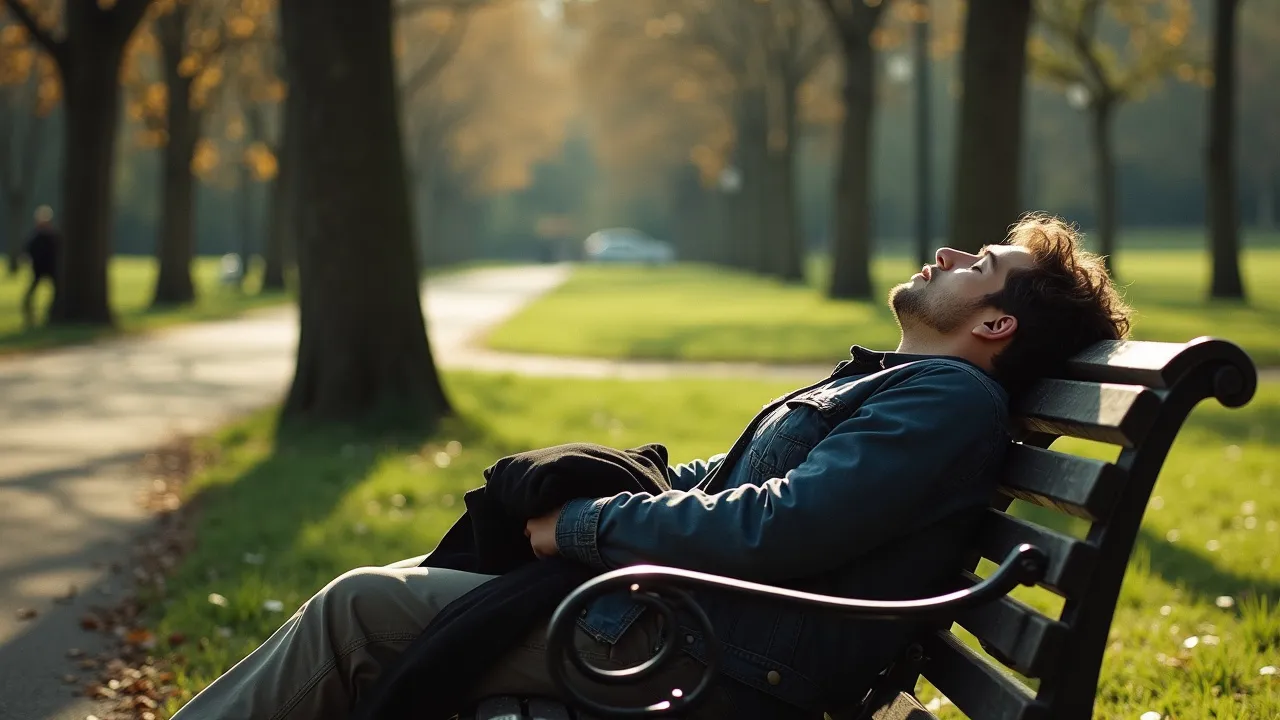
National Public Sleeping Day on February 28th celebrates the importance of sleep and encourages people to nap in public places without judgment. Learn about its origins, traditions, and the science behind public napping.
The Historical Origins & Evolutionary Journey
National Public Sleeping Day, observed on February 28th, is a modern informal holiday that champions the right to rest in public spaces. Its origins are somewhat nebulous, emerging from a growing awareness of sleep deprivation and the need for work-life balance in the early 2000s. Unlike many holidays with clear founders, this day was popularized through grassroots movements and social media campaigns, making it a truly communal celebration.
The Foundational Catalyst
The early 2000s saw a surge in sleep research highlighting the dangers of chronic sleep loss. Organizations like the National Sleep Foundation began advocating for better sleep hygiene. The concept of a public nap day likely originated as a playful yet poignant protest against overwork and the stigmatization of napping in public. The first recorded mentions appeared on online forums and early social platforms around 2004, where users shared stories of covertly napping in libraries, parks, and coffee shops.
Legislative and Official Adoption
While no government has officially recognized National Public Sleeping Day, several municipalities have quietly supported the idea by designating 'nap-friendly' zones. In some cities, local businesses offer discounts to nappers on February 28th. The lack of official recognition has not dampened its spirit; instead, it remains a bottom-up movement driven by individuals and small communities.
Modern Global Legacy
Today, National Public Sleeping Day is celebrated across continents, from siesta-inspired events in Spain to corporate nap room promotions in Japan. It has evolved into a broader dialogue about rest, productivity, and urban design. The day challenges the notion that sleep is a private activity, encouraging cities to create more restful environments with comfortable benches, shaded areas, and quiet zones. As sleep science advances, this observance continues to gain traction as a vital reminder of human biology.
How to Celebrate National Public Sleeping Day
Embracing National Public Sleeping Day requires planning and a bit of courage. The key is to nap safely and respectfully in public spaces. Below are actionable strategies for individuals, schools, and organizations.
For Individuals
- Choose a safe spot: Parks, university libraries, and quiet cafés are ideal. Avoid busy sidewalks or dangerous areas.
- Set a timer: Aim for a 20-30 minute power nap to avoid grogginess. Use your phone alarm discreetly.
- Bring essentials: A neck pillow, eye mask, and earplugs can enhance comfort. Consider a small blanket or jacket for warmth.
- Inform someone: Let a friend know where you plan to nap, especially if alone.
- Respect others: Keep noise minimal and avoid blocking walkways. Wake up if asked by authorities.
For Schools and Workplaces
- Designate nap zones: Set up a quiet room with mats and dim lighting. Promote its use on February 28th.
- Organize group naps: Host a synchronized nap during lunch break. Encourage participation with fun themes like pajama day.
- Educate on sleep: Provide pamphlets or short talks on the benefits of napping, including improved focus and creativity.
For Organizations and Businesses
- Offer discounts: Provide a 'nap discount' to customers who show a photo of themselves napping in public on that day.
- Create pop-up nap pods: Partner with local parks to install temporary hammocks or bean bags.
- Launch social media campaigns: Use hashtags like #PublicSleepDay to share stories and normalize public napping.
Global Cultural Variations
In Japan, the practice of inemuri (sleeping while present) is already common, so National Public Sleeping Day aligns with existing norms. In Spain, it coincides with the traditional siesta, and many towns host outdoor nap events. In Scandinavia, daycare centers often encourage outdoor naps even in cold weather, reflecting a cultural embrace of rest. In the United States, the day is often observed with flash mob naps in public squares or through corporate wellness programs.
The Science of Sleep and Public Napping
Sleep is a biological necessity, and public napping on February 28th serves as a reminder of its importance. Here we delve into the neuroscience and practical benefits of napping.
Why Nap?
Research shows that short naps (10-30 minutes) can improve alertness, mood, and cognitive performance. The ideal nap duration avoids deep sleep, which can cause sleep inertia—that groggy feeling after waking. Public napping, while often stigmatized, can actually boost workplace productivity if done correctly.
The Nap Cycle
- Stage 1 (light sleep): Lasts about 5 minutes; easy to wake from.
- Stage 2 (moderate sleep): 10-20 minutes; helps with memory consolidation.
- Stage 3 (deep sleep): Begins after 30+ minutes; harder to wake.
- REM sleep: Rarely reached in a short nap; associated with dreaming.
For public napping, targeting Stage 2 is optimal. This requires a quiet, comfortable environment—a key challenge of napping in public. Noise-cancelling headphones and eye masks can mitigate disruptions.
Health Benefits
Regular napping can reduce stress, lower blood pressure, and improve immune function. National Public Sleeping Day encourages people to incorporate rest into their daily routines, combating the epidemic of sleep deprivation affecting millions worldwide.
Global Perspectives on Napping Cultures
Napping in public is viewed differently across cultures. This section explores how National Public Sleeping Day intersects with global attitudes toward rest.
Siesta Traditions
In Spain, Italy, and parts of Latin America, the siesta—a midday break for rest—has been a cultural institution for centuries. National Public Sleeping Day on February 28th resonates deeply in these regions, where public naps are already normalized. Many towns host street parties with designated rest areas.
Inemuri in Japan
Japan's concept of inemuri (sleeping while present) allows napping in public settings like trains or meetings, especially among overworked professionals. The country has embraced National Public Sleeping Day with corporate nap pods and 'sleep cafes' that offer short rest periods.
The Nordic Approach
In Scandinavian countries, outdoor napping is common even in cold weather. Swedish and Danish daycare centers often have children nap outside in prams, believing fresh air improves sleep quality. On February 28th, some parks offer insulated hammocks for public napping.
The US and UK
In English-speaking countries, public napping is less accepted but slowly gaining traction. National Public Sleeping Day helps break the stigma, with flash mob naps and workplace initiatives. Some universities now have nap rooms, and a few cities have installed public napping pods.
The Social and Psychological Impact of Public Sleeping
Beyond biology, public napping carries social and psychological meanings. This section examines how National Public Sleeping Day challenges norms and fosters community.
Destigmatizing Rest
Many people feel guilty or embarrassed about napping during the day, especially in public. This observance encourages a mindset shift: rest is not laziness but a health practice. For the chronically tired, it provides a legitimate excuse to prioritize sleep.
Building Community
Group naps create a sense of shared vulnerability and trust. Events on February 28th often include silent napping parties where strangers lie down together, fostering connection without words. This can reduce social isolation and promote well-being.
The Workplace Revolution
Research shows that napping increases productivity by 35% (according to some studies). Companies like Google and Zappos have installed nap pods, and National Public Sleeping Day pushes for wider adoption. It also raises awareness about the dangers of burnout and the need for rest breaks.
The Future of Sleep Awareness
As sleep science evolves, National Public Sleeping Day may transform from a quirky holiday into a serious public health campaign. This section looks ahead.
Urban Design for Rest
Future cities may incorporate 'nap-friendly' architecture: soundproof benches, climate-controlled bus stops, and quiet zones. The day could inspire pilot projects where urban planners test temporary rest structures.
Policy Changes
Advocates hope for legislation requiring employers to provide nap breaks, similar to lunch breaks. Countries like Japan already mandate napping policies in some industries. National Public Sleeping Day amplifies these calls.
Global Sleep Equality
Sleep deprivation disproportionately affects low-income workers who lack time or safe places to rest. The observance highlights this inequity and pushes for accessible rest spaces for all, from homeless shelters to 24-hour public lounges.
Historical Timeline
First recorded mentions of National Public Sleeping Day appear on early internet forums and blogs, suggesting a grassroots origin.
The National Sleep Foundation's annual poll highlights rising sleep debt, indirectly boosting interest in public napping as a remedy.
Social media campaigns using #NationalPublicSleepingDay go viral, with thousands sharing photos of themselves napping in public.
Several US universities establish nap rooms on campus, partly inspired by the observance.
A Japanese company introduces paid nap breaks for employees, coinciding with a global discussion about workplace rest.
During the COVID-19 pandemic, the day focuses on sleep health as a critical immune booster, with virtual napping events.
First official 'Nap Park' opens in Tokyo, designed specifically for public sleeping, setting a precedent for urban rest spaces.