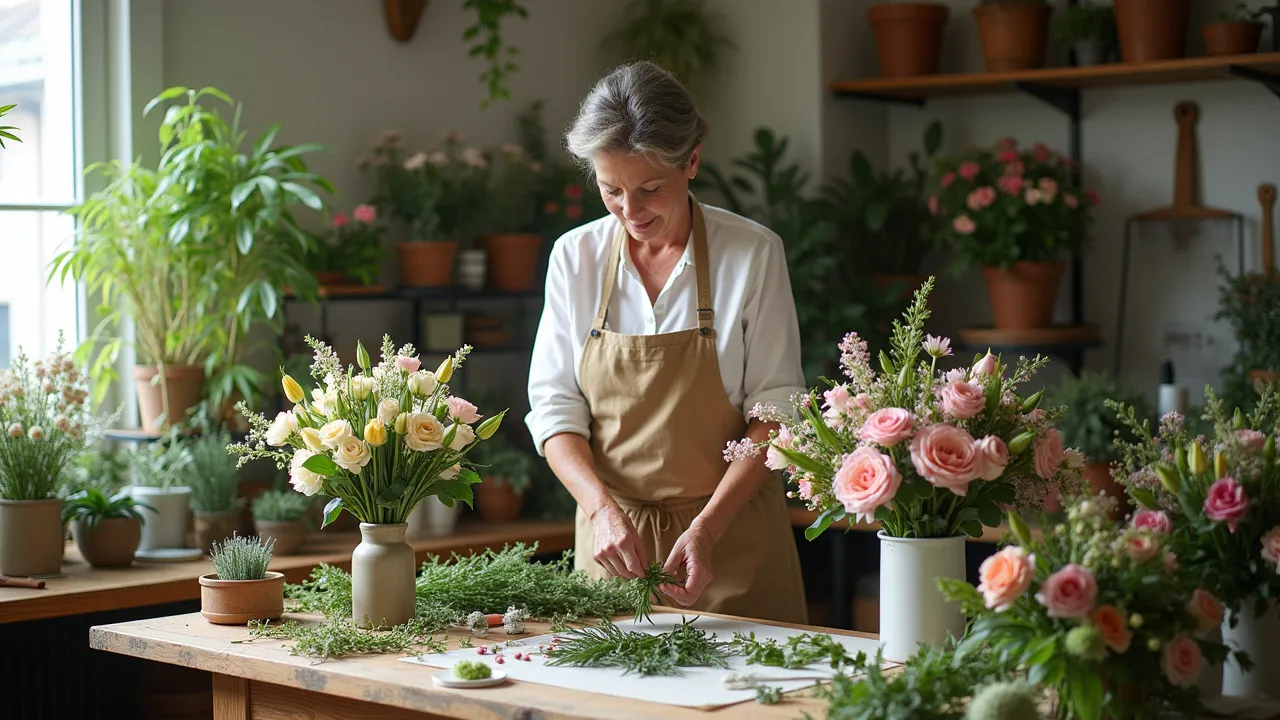
Floral Design Day, observed on February 28th, celebrates the art and craft of floral arrangement. It honors the creativity and skill of floral designers while encouraging everyone to appreciate and explore the beauty of flowers.
The Historical Origins & Evolutionary Journey
Floral Design Day, observed annually on February 28th, was established to recognize the artistry and technical skill involved in creating floral arrangements. The day was founded by the Floral Design Day Foundation in collaboration with industry leaders to elevate the profession of floral design and inspire public appreciation.
The Foundational Catalyst
The roots of formal floral design trace back to ancient civilizations: Egyptians used flowers in religious ceremonies, Greeks created garlands, and the Dutch Golden Age saw the rise of elaborate still-life paintings. However, modern floral design as a recognized craft gained momentum in the early 20th century with the establishment of floral schools and professional organizations.
The Legislative/Official Adoption
In 1995, the Floral Design Day Foundation successfully lobbied for a day dedicated to the art form, choosing February 28th to coincide with the end of winter when fresh flowers symbolize the coming spring. The day was officially recognized by the U.S. Congress and later adopted by floral societies worldwide.
Modern Global Legacy
Today, Floral Design Day is celebrated in over 20 countries, with events ranging from workshops in community centers to high-profile competitions. The holiday has also fueled a surge in sustainable floral design, emphasizing locally sourced blooms and eco-friendly practices.
How to Celebrate Floral Design Day
Celebrating Floral Design Day involves engaging with the art of floral arrangement in creative and meaningful ways. Below are actionable strategies for individuals, schools, and organizations worldwide.
For Individuals
- Create a personal arrangement: Visit a local florist or farmers' market to select fresh flowers. Use simple techniques like spiral binding or foam-based designs.
- Attend a workshop: Many botanical gardens and community centers offer hands-on classes on February 28th.
- Share on social media: Post your creations using #FloralDesignDay to connect with a global community.
For Schools and Educational Institutions
- Host a design competition: Encourage students to create arrangements from recycled materials or native plants.
- Invite a professional florist: Arrange a guest lecture or demonstration to expose students to career possibilities.
- Integrate into curriculum: Use floral design to teach botany, color theory, and business skills.
For Organizations and Businesses
- Corporate team-building: Organize a group floral arrangement activity to foster creativity and collaboration.
- Charity events: Auction off designer arrangements to raise funds for community projects.
- Retail promotions: Offer discounts on flowers and tools, and provide free design consultations.
Regional variations exist: In Japan, “lkebana” workshops are popular; in Europe, “flower pounding” (eco-printing) events; in the U.S., many schools host “Flower Power” fundraisers.
The Global Impact of Floral Design
Floral design transcends cultural boundaries, influencing economies, mental health, and environmental sustainability. Economically, the floral industry generates billions annually, with design being a key value-added service. Psychologically, studies show that arranging flowers reduces stress and improves mood, explaining the rise of floral therapy programs in hospitals and nursing homes. Environmentally, the push for locally grown, seasonal blooms is reducing the carbon footprint of imported flowers, and many designers now prioritize biodegradable mechanics over plastic foam.
Industry Transformations & Trends
From rigid European-style bouquets to organic, wildflower arrangements, floral design styles have evolved dramatically. Sustainable practices dominate current trends: using chicken wire instead of foam, selecting in-season flowers, and composting waste. Technology has also impacted the field, with online booking platforms and AI-driven design tools enabling customization at scale. The gig economy has birthed a wave of independent floral designers who use social media to showcase their work, making the profession more accessible.
Educational Pathways and Certification
Aspiring floral designers can pursue credentials from organizations like the American Institute of Floral Designers (AIFD) or the Society of American Florists (SAF). Certificate programs cover color theory, plant care, and business management. Many vocational schools offer associate degrees in floral design, while online courses provide flexible learning. On Floral Design Day, many schools waive application fees or offer free introductory webinars to attract new students.
The Role of Florists in Modern Society
Florists are not just sellers; they are storytellers who translate emotions into visual language. They design for weddings, funerals, and everyday celebrations. In hospitals, flowers boost patient morale; in corporate settings, they enhance brand image. The pandemic underscored the importance of florists as essential workers providing comfort through beauty. Floral Design Day recognizes these contributions and encourages support for local flower shops.
Historical Timeline
Ancient Egyptians place cut flowers in vases as religious offerings, one of the earliest known instances of floral arrangement.
Dutch Golden Age: floral still-life paintings become popular, reflecting the tulip mania and the rise of formal flower cultivation.
The Wardian case (a sealed glass container) makes it possible to transport live plants long distances, revolutionizing the global flower trade.
The first formal floral design school, the "New York School of Floral Design," opens, standardizing techniques.
World War II: victory gardens include flower patches, and floral design becomes a therapeutic activity for returning soldiers.
The American Institute of Floral Designers (AIFD) is established, setting professional standards for the industry.
The first National Floral Design Day is observed on February 28th, founded by the Floral Design Day Foundation.
The television show "Extreme Floral Design" airs, popularizing the craft among mainstream audiences.
Sustainability movement in floral design gains momentum, with designers replacing floral foam with eco-friendly alternatives.
During the COVID-19 pandemic, florists pivot to contactless deliveries and virtual design tutorials, keeping the industry alive.