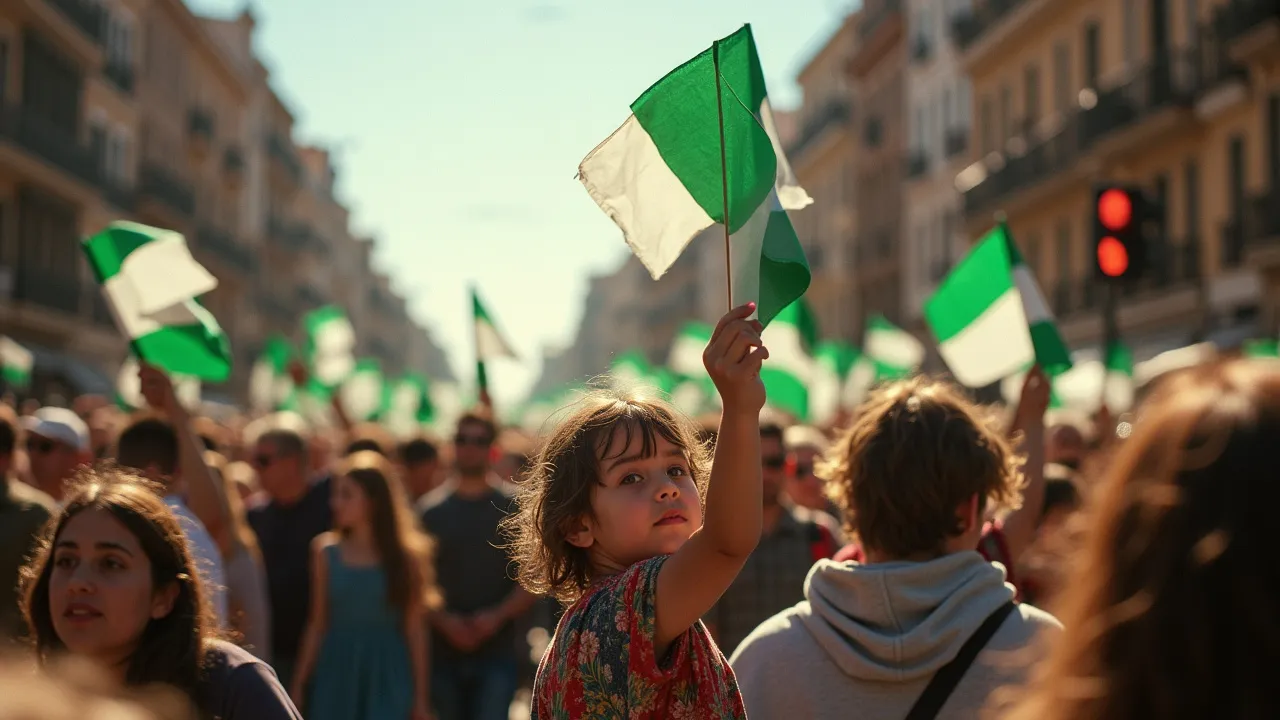
Andalusia Day (Día de Andalucía) is celebrated annually on February 28th, commemorating the 1980 referendum that granted autonomy to the Spanish region of Andalusia. It features cultural events, parades, and the display of the green-and-white flag.
The Historical Origins & Evolutionary Journey of Andalusia Day
Andalusia Day, or Día de Andalucía, marks the anniversary of the landmark referendum held on February 28, 1980, when the people of Andalusia voted overwhelmingly for self-government. This decisive moment paved the way for the region's formal autonomy within Spain, transforming Andalusia from a mere administrative division into a fully-fledged autonomous community with its own parliament, government, and extensive powers.
The Foundational Catalyst: A Long Struggle for Autonomy
Andalusia's quest for self-rule dates back to the early 19th century, but gained momentum after Spain's transition to democracy in the late 1970s. Following the death of Franco, regional movements across Spain demanded decentralization. Andalusian nationalists and progressive parties pushed for a fast track to autonomy, leveraging the region's distinct culture, history, and economic grievances. The 1980 referendum was the culmination of this movement: held on a Thursday, it saw a 64% voter turnout, with over 90% in favor of autonomy.
The Legislative/Official Adoption
After the referendum, the Statute of Autonomy of Andalusia was drafted and approved by the Spanish Cortes in 1981, and subsequently ratified in a second referendum. The first official celebration of Andalusia Day occurred on February 28, 1982, when the statute came into effect. The day was declared a regional public holiday, and since then, it has been observed annually with official ceremonies, cultural events, and educational activities.
Modern Global Legacy
Today, Andalusia Day is not only a public holiday but a vibrant expression of Andalusian identity. Schools and institutions hold special events, traditional music (especially flamenco) fills the streets, and the green-and-white flag is displayed prominently. The day also serves as a platform to showcase Andalusian gastronomy, art, and folklore. While the core celebration is regional, Andalusian diaspora communities worldwide—particularly in Argentina, Venezuela, and parts of Europe—organize their own events, making it a global observance of regional pride.
How to Celebrate Andalusia Day: A Comprehensive Guide
Andalusia Day is a time for both solemn reflection on the region's democratic journey and joyful celebration of its rich culture. Whether you are in Seville, Malaga, or abroad, here are actionable ways to participate:
Official Ceremonies and Events
- Attend the Institutional Act: The Junta de Andalucía holds a formal ceremony at the Parliament headquarters in Seville, where the president delivers a speech and awards medals of Andalusia to distinguished citizens.
- Watch the Telethon: Many local TV stations broadcast special programs, documentaries, and live concerts featuring Andalusian artists.
Cultural Activities for Individuals and Families
- Display the Flag: Hang the green-and-white flag (with the coat of arms) from your balcony or window.
- Enjoy Traditional Food: Prepare typical dishes such as gazpacho, salmorejo, fried fish (pescaíto frito), or flamenquín. Many restaurants offer special menus.
- Learn Flamenco: Participate in a local dance workshop or watch a live performance.
- Visit Museums: Many museums, especially the Museum of Andalusia's Autonomy in Seville, offer free admission or guided tours.
School and Community Celebrations
- Educational Projects: Schools organize lessons on Andalusian history, geography, and art. Students often create crafts related to the flag, coat of arms, or famous Andalusian figures like poet Federico García Lorca.
- Street Parties and Fairs: Towns and cities host open-air concerts, parades, and local markets with artisan goods. The city of Seville often holds a grand parade in the city center.
Corporate and Social Rituals
Companies in Andalusia typically give employees the day off, as it is a public holiday. Some businesses organize team-building events with Andalusian themes, such as cooking classes or flamenco lessons. Social media campaigns using hashtags like #DiaDeAndalucia or #AndalusiaDay help spread awareness globally.
Cultural Significance: Symbols and Traditions
Andalusia Day is steeped in symbols that reflect the region's unique identity. The most prominent is the flag of Andalusia, consisting of three horizontal stripes: green, white, and green. Green represents hope and the landscapes of the region, while white symbolizes peace and the olive branches of the coat of arms. The coat of arms itself features the Pillars of Hercules with the motto "Andalucía por sí, para España y la Humanidad" ("Andalusia by itself, for Spain and humanity").
The day also highlights the flamenco, declared a UNESCO Intangible Cultural Heritage of Humanity. Many municipalities organize flamenco festivals, tablaos, and guitar concerts. Another key tradition is the Andalusian anthem, composed by José del Castillo Díaz and Rafael Alberti. It is sung at official events with lyrics that call for peace, unity, and autonomy.
Gastronomy plays a central role: typical foods like jamón ibérico, aceitunas, vino de Jerez, and desserts such as pestiños and torrijas are widely enjoyed. In some towns, community meals are organized where locals share traditional recipes.
Economic Impact and Tourism Boost
Andalusia Day has a notable economic impact on the region, particularly in the hospitality and tourism sectors. As a public holiday, it encourages domestic travel, with many Spaniards visiting Andalusia to participate in festivities. Hotels, restaurants, and transport services often see a spike in demand. According to regional tourism boards, February 28th marks the beginning of the pre-spring travel season. Many attractions offer promotional rates or free entry, drawing visitors.
The day also serves as a marketing opportunity for local products. Farmers' markets and food fairs showcase Andalusian specialties, boosting sales of olive oil, wine, and cured meats. Artisan crafts, especially pottery from Triana and leather goods from Ubrique, find a wider audience. However, because the holiday is a single day, the economic boost is modest compared to longer festivals like Semana Santa or Feria de Abril.
Andalusia Day in Education and Civic Life
Andalusia Day is deeply integrated into the educational curriculum of schools in the region. The Junta de Andalucía mandates that schools dedicate the week leading up to February 28th to the study of Andalusian history, geography, art, and literature. Students participate in projects, exhibitions, and cultural showcases. Common activities include:
- Creating murals of the Andalusian flag and coat of arms.
- Performing flamenco dances and singing the anthem.
- Researching the lives of notable Andalusians like Blas Infante (father of the Andalusian nation), Pablo Picasso, and Carmen Amaya.
- Organizing mock parliamentary sessions to understand the autonomy process.
Civic organizations also use the day to promote democratic values and regional identity. Public talks, conferences, and debates are held in cultural centers and universities, often focusing on the evolution of autonomies within Spain. The day thus reinforces a sense of belonging and civic pride among younger generations.
Global Observance and Diaspora Connections
While Andalusia Day is primarily celebrated within the autonomous community, the Andalusian diaspora—estimated at over 3 million people—takes part in festivities worldwide. Major diaspora hubs include Argentina (especially Córdoba and Buenos Aires), Venezuela, Mexico, and several European countries like Germany and the United Kingdom. These communities organize events typical of the region, such as:
- Flamenco Shows: Local dance schools and cultural associations host performances.
- Food Fairs: Featuring Andalusian dishes and wines.
- Flag Hoisting: At consulates and cultural centers.
Social media platforms amplify the reach, with hashtags like #AndalusiaDay and #DíaDeAndalucía trending each year. The Junta de Andalucía also livestreams the main ceremony from Seville, allowing Andalusians abroad to feel connected. This global dimension underscores the enduring bond between the region and its emigrants, making Andalusia Day a truly international celebration of heritage.
Historical Timeline
Following Spain's transition to democracy, Andalusian leaders demand autonomy. Pre-autonomy bodies are formed, including the Junta de Andalucía.
On February 28, a landmark referendum is held in Andalusia. Over 90% of voters support autonomy, paving the way for self-government.
The Spanish Cortes approves the Statute of Autonomy of Andalusia. It is later ratified by popular vote.
The Statute of Autonomy comes into effect on February 28. The first official Andalusia Day is celebrated, declared a regional public holiday.
The Statute of Autonomy is reformed to expand powers and modernize the region's governance. The new statute emphasizes social rights and economic development.
Andalusia Day is celebrated amidst the COVID-19 pandemic, with most events held virtually or under strict health protocols. The holiday underscores community resilience.