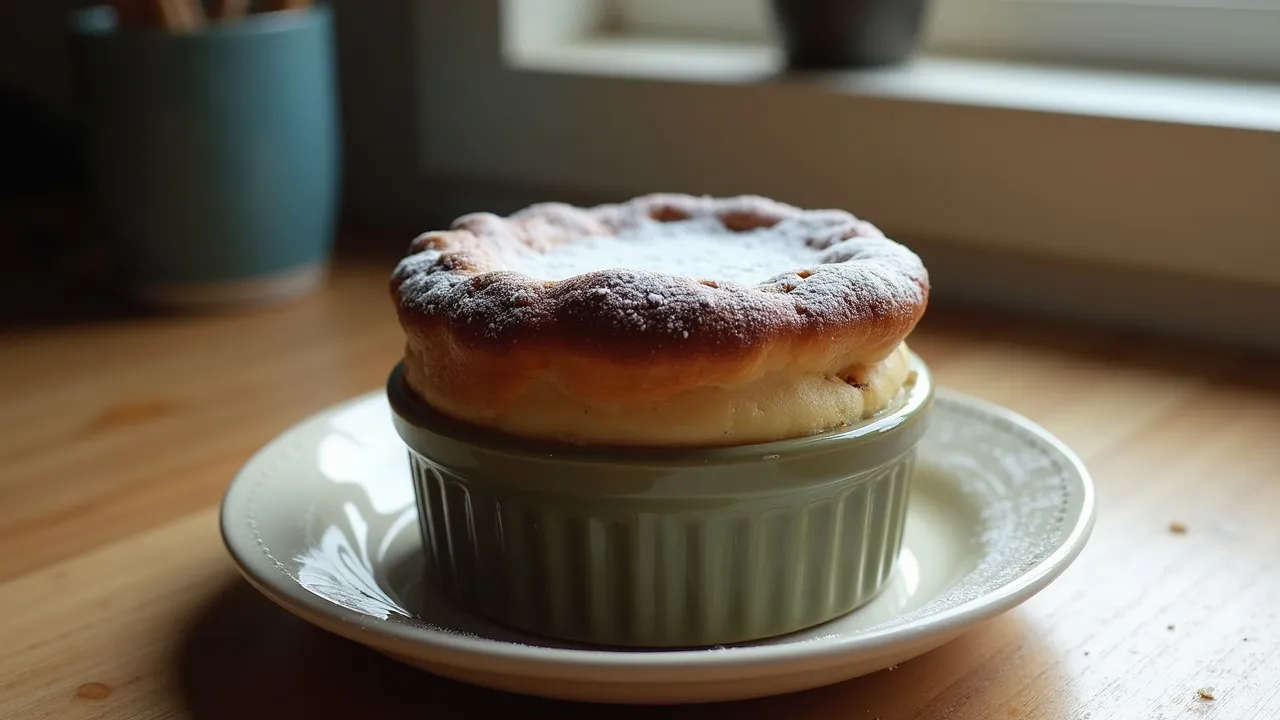
National Chocolate Souffle Day on February 28th celebrates the airy, decadent French dessert. Discover its rich history, perfect baking tips, and global variations of this culinary masterpiece.
The Historical Origins & Evolutionary Journey
National Chocolate Souffle Day, observed annually on February 28th, pays homage to one of the most elegant and technically demanding desserts in classical French cuisine. The soufflé itself dates back to the early 18th century, with the first known recipe appearing in 1742 in Le Cuisinier Moderne by Vincent La Chapelle. However, the chocolate variation gained prominence in the 19th century as chocolate became more accessible.
The Foundational Catalyst
The soufflé‘s name comes from the French verb "souffler," meaning "to puff" or "to blow," referencing its dramatic rise in the oven. The key to a successful soufflé lies in perfectly beaten egg whites folded into a rich base. Legendary French chef Marie-Antoine Carême is often credited with refining the soufflé into the form we know today, though he focused more on savory versions. The chocolate soufflé as a dessert staple emerged in Parisian restaurants like La Tour d'Argent in the late 1800s.
The Legislative/Official Adoption
While there is no official government proclamation, National Chocolate Souffle Day was popularized in the early 2010s by food bloggers and culinary organizations seeking to encourage home cooks to tackle this impressive dish. The date February 28th was chosen to fall during the peak of winter indulgence and chocolate craving season. It has since been embraced by patisseries, cooking schools, and chocolate brands worldwide.
Modern Global Legacy
Today, the day is celebrated not only in France but across the globe. From Michelin-starred restaurants featuring the chocolate soufflé as a signature dessert to home bakers sharing their attempts on social media, the observance has become a symbol of culinary ambition and the joy of mastering a classic.
How to Celebrate National Chocolate Souffle Day
Whether you are a seasoned chef or a curious beginner, there are countless ways to honor this airy delight. Below are actionable strategies for individuals, schools, and organizations.
For Individuals and Families
- Bake from scratch: Use high-quality dark chocolate (at least 70% cocoa) and fresh eggs. Follow a trusted recipe, ensuring your egg whites are at room temperature and your bowl is grease-free.
- Host a soufflé party: Invite friends for a baking challenge. Prepare individual ramekins and see who can achieve the highest rise.
- Visit a local patisserie: Many French bakeries offer special chocolate soufflés on this day. Call ahead to order.
For Schools and Cooking Classes
- Teach the science: Explain how egg whites trap air and how oven heat creates steam. Conduct a demonstration of proper folding technique.
- Student competition: Organize a "Best Chocolate Soufflé" contest with prizes for presentation and taste.
For Restaurants and Cafes
- Feature a special soufflé: Offer a Valentine‘s-like menu item, perhaps with a flavored crème anglaise or a scoop of vanilla ice cream.
- Social media campaign: Use hashtags like #NationalChocolateSouffleDay and share behind-the-scenes videos of your pastry team preparing soufflés.
Global Traditions
In France, many bistros serve a classic chocolate soufflé with a light dusting of powdered sugar. In Japan, matcha-chocolate fusion soufflés are popular. In the United States, enthusiasts often pair the dessert with a robust coffee or a glass of red wine. The day is a wonderful opportunity to explore regional variations.
The Culinary Science Behind the Perfect Soufflé
The chocolate soufflé is a masterpiece of food science. Its rise depends on two key processes: the incorporation of air through whipped egg whites and the expansion of that air via heat in the oven.
The Role of Egg Whites
Egg whites are composed of water and proteins. When whipped, the proteins unfold and form a network that traps air bubbles. Adding cream of tartar or a pinch of salt stabilizes the foam. For a chocolate soufflé, the whites must be beaten to stiff peaks but not overbeaten, or they will become dry and lose elasticity.
The Base: Chocolate and Egg Yolks
The base typically consists of melted chocolate, butter, sugar, and egg yolks. Some recipes add flour or cornstarch for structure. The temperature of the base when folding in the whites is critical: too hot and it will deflate the whites; too cold and it won't mix evenly.
Oven Magic
High initial heat (around 375°F) creates steam from the moisture in the eggs, causing the soufflé to rise rapidly. Opening the oven door too early can cause a collapse. The soufflé is done when the center jiggles slightly and the top is golden. It must be served immediately, as it begins to deflate within minutes.
Global Impact and Cultural Significance
The chocolate soufflé has transcended its French origins to become a global icon of sophistication and indulgence. In popular culture, it appears in movies like Julie & Julia and television cooking competitions as the ultimate test of a chef's skill. National Chocolate Souffle Day reinforces the value of patience and precision in cooking.
Economic Impact
Patisseries and chocolate companies see a significant boost in sales around February 28th. Gourmet chocolate brands often run promotions, and cooking equipment retailers may offer sales on ramekins and hand mixers. The day also drives traffic to recipe websites and food blogs.
Social Media Trends
On Instagram and TikTok, the hashtag #ChocolateSouffle receives millions of views on and around the day. Aspiring bakers share their successes—and spectacular failures—fostering a community of food lovers. The day has become a viral event, with many influencers creating tutorial content.
Regional Variations and Innovative Twists
While the classic chocolate soufflé remains beloved, chefs around the world have reinterpreted it with local flavors.
European Interpretations
- France: Often served with a side of crème anglaise or a small scoop of vanilla ice cream.
- Italy: Incorporates espresso or hazelnut liqueur into the base.
- Switzerland: Uses milk chocolate for a creamier texture.
Asian Adaptations
- Japan: Matcha (green tea) chocolate soufflé, combining earthy bitterness with chocolate.
- Philippines: Adds a touch of calamansi (local citrus) zest for brightness.
American Innovations
- Marshmallow-crusted souffle: Topping with marshmallow fluff before baking.
- Peanut butter chocolate soufflé: Swirling peanut butter into the base.
These variations highlight the soufflé's versatility and its ability to adapt to different palates.
Frequently Asked Questions About Chocolate Soufflé
Here are answers to common queries about both the day and the dessert.
Why is National Chocolate Souffle Day on February 28th?
The date was chosen by food enthusiasts to fall in late winter, a time when people crave warm, comforting desserts. It also avoids major holidays, allowing the soufflé to shine on its own.
Can I freeze a chocolate soufflé?
It is not recommended because freezing destroys the delicate air structure. Soufflés are best baked fresh and served immediately.
What is the most common mistake when making a soufflé?
Under-beating or over-beating egg whites is the top pitfall. Also, opening the oven door during baking can cause collapse.
Is a soufflé the same as a cake?
No, a soufflé is lighter and more airy due to the whipped egg whites, and it deflates quickly. Cakes have more structure and stay risen.
Historical Timeline
The first known soufflé recipe appears in Vincent La Chapelle's 'Le Cuisinier Moderne', though it was savory and not specifically chocolate.
French chef Marie-Antoine Carême refines the soufflé, establishing techniques still used today.
Chocolate soufflé becomes a signature dessert at Parisian restaurants like La Tour d'Argent.
The advent of electric mixers makes beating egg whites easier, leading to home baking of soufflés.
National Chocolate Souffle Day is first observed on February 28th, promoted by food bloggers and culinary organizations.
Social media boosts the day's popularity, with thousands of posts using #ChocolateSouffleDay.
During the pandemic, home baking surges, and chocolate soufflé becomes a trending recipe on YouTube and TikTok.