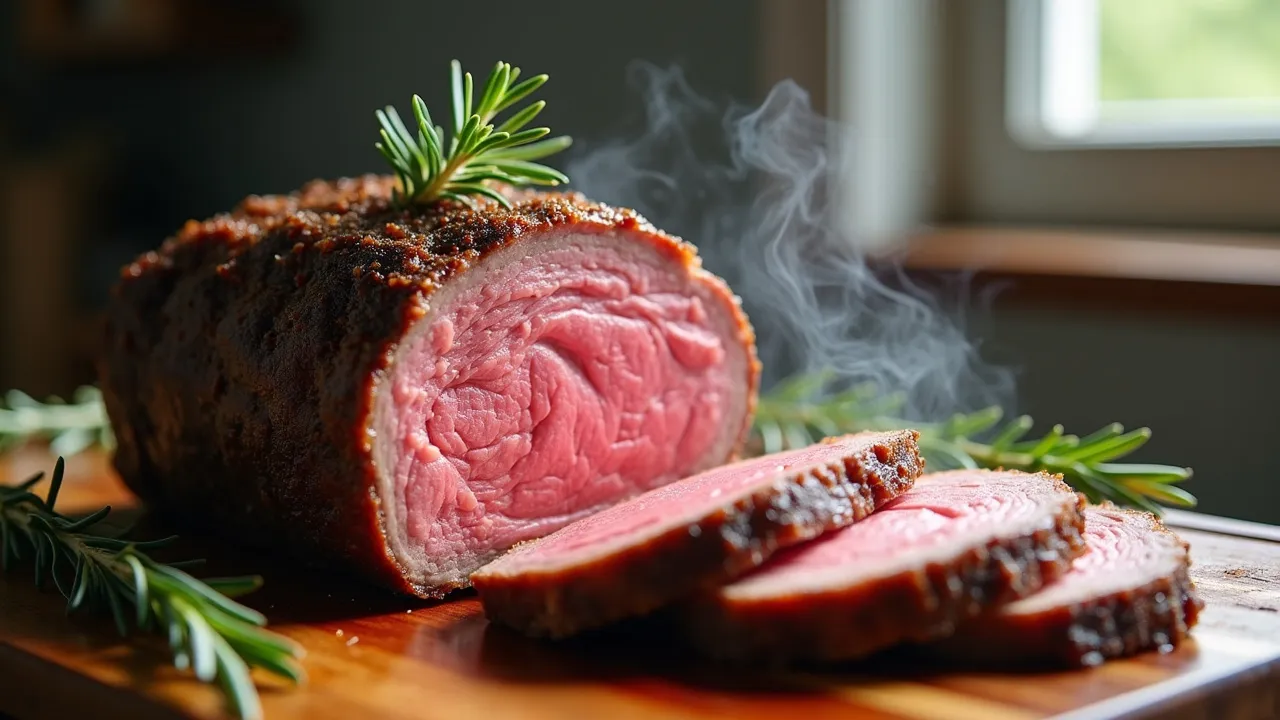
National Prime Rib Day, observed on April 27th, celebrates the succulent beef rib roast. It's a day for meat lovers to indulge in this classic, flavorful cut, often prepared with a savory crust and served with sides like Yorkshire pudding.
The Historical Origins & Evolutionary Journey
National Prime Rib Day, observed annually on April 27th, honors one of the most revered cuts of beef: the prime rib. This day has deep roots in culinary history, tracing back to the medieval era when beef ribs were roasted over open fires. However, the official designation as a food holiday emerged in the early 21st century.
The Foundational Catalyst
The modern celebration of prime rib is intrinsically linked to the rise of the American steakhouse after World War II. As beef consumption soared, prime rib became a symbol of prosperity and indulgence. The ritual of carving a rib roast at the table became a hallmark of fine dining, popularized by iconic restaurants like Peter Luger Steak House (opened 1887) and Lawry's The Prime Rib (opened 1938). By the 1950s, the dish was synonymous with festive gatherings and holiday feasts.
The Legislative/Official Adoption
Unlike federal holidays, food observances like National Prime Rib Day are often established by media organizations or food enthusiast groups. The National Day Calendar, a prominent registrar of unofficial holidays, officially claimed April 27th for prime rib in the early 2000s. The date was chosen strategically to fall in spring, offering a last chance for hearty roasts before summer grilling season. While not an official government holiday, the day gained traction through social media, food blogs, and restaurant promotions.
Modern Global Legacy
Today, National Prime Rib Day transcends borders. In the United Kingdom, the equivalent 'standing rib roast' is a Sunday roast staple, often celebrated on British Roast Dinner Day (a separate date). In Australia, prime rib is gaining popularity at high-end eateries. The day now functions as a global celebration of slow-roasted, bone-in beef, with millions of home cooks and chefs posting recipes, photographs, and carving videos under the hashtag #NationalPrimeRibDay.
How to Celebrate National Prime Rib Day
Celebrating National Prime Rib Day offers endless opportunities for culinary creativity and shared enjoyment. Whether you are a seasoned chef or a novice cook, this guide provides actionable strategies for individuals, families, and organizations.
For Home Cooks
- Select the Perfect Cut: Choose a bone-in rib roast (also called standing rib roast) with a generous cap of fat. Look for USDA Prime or Choice grades for optimal marbling.
- Master the Technique: Use a reverse-sear method: slow-roast at 200°F until internal temp reaches 125°F, then rest and blast at 500°F for 10 minutes to create a crackling crust.
- Pair with Classic Sides: Yorkshire pudding, horseradish cream, roasted potatoes, and creamed spinach complete the traditional plate.
For Restaurants and Bars
- Offer a special prime rib dinner with a fixed price menu featuring a 12-ounce cut.
- Host a carving station with live demonstration by the head chef.
- Feature wine pairings like Cabernet Sauvignon or Malbec to enhance the beef's flavor.
Community and Social Media
Organize a neighborhood potluck where guests bring a side dish or dessert. On social media, share your prime rib creation with step-by-step stories. Use hashtags like #PrimeRibDay and #April27 to join the global conversation. Schools can host a nutrition class discussing beef's role in a balanced diet, emphasizing protein and iron.
The Science of Perfect Roasting
Achieving the ideal prime rib requires understanding the Maillard reaction and heat transfer. The cut is from the rib primal (ribs 6-12), rich in intramuscular fat that melts during cooking, basting the meat from within.
Temperature Control
Low-and-slow cooking (200-250°F) ensures even doneness without drying out the exterior. The ideal internal temperature for medium-rare is 130-135°F after resting. Using a probe thermometer is non-negotiable.
Resting and Carving
Resting the roast for at least 20 minutes allows juices to redistribute. Carve against the grain into thick slices. For bone-in roasts, remove the ribs before slicing for easier serving.
Common Mistakes
Overcooking: Prime rib should be served pink; well-done ruins its texture.
Skipping the sear: A high-heat finish creates the essential crust.
Improper slicing: Using a dull knife shreds the meat instead of cleanly cutting.
Regional Variations Around the World
While National Prime Rib Day is an American observance, similar dishes exist globally. This section explores how different cultures celebrate their own beef rib traditions.
United Kingdom: The Sunday Roast
In Britain, a beef rib roast known as 'standing rib roast' is the centerpiece of a traditional Sunday lunch, typically served with roasted potatoes, Yorkshire pudding, gravy, and vegetables. The British often celebrate their own 'National Roast Dinner Day' on the last Sunday of October.
France: Côte de Bœuf
French cuisine offers the 'côte de bœuf', a bone-in rib steak grilled over charcoal and served with Béarnaise sauce or fleur de sel. This is more similar to a steak than a roast, but it celebrates the same primal cut.
Argentina: Asado de Tira
Argentinian asado features 'asado de tira', short ribs grilled over open flames, often seasoned with chorizo and chimichurri. While not identical, it shares the reverence for beef ribs.
United States: Regional Styles
In Texas, prime rib is smoked with post oak wood; in the Northeast, it is oven-roasted with a salt crust. The day unites these diverse approaches under one national celebration.
Pairing Wines and Beverages with Prime Rib
Selecting the right wine enhances the flavor of prime rib. The rich marbling demands a full-bodied red with tannins to cut through the fat.
Top Wine Recommendations
- Cabernet Sauvignon: Classic choice from Napa Valley or Bordeaux. High tannins complement the meat's richness.
- Malbec: Argentine Malbec offers dark fruit flavors and a smooth finish.
- Syrah/Shiraz: Peppery notes from the Rhône or Australia add depth.
- Zinfandel: A bold American Zinfandel with high alcohol content balances the savory crust.
Non-Alcoholic Alternatives
For a non-alcoholic pairing, try a tangy pomegranate spritzer or a bold black tea like Assam. The acidity helps cleanse the palate.
When hosting, offer a wine tasting flight to allow guests to compare. Always decant red wines 30 minutes before serving.
Sustainability and Ethical Sourcing of Prime Rib
As demand for beef grows, conscientious consumers seek ethically raised meat. This section examines the environmental impact and ways to celebrate National Prime Rib Day responsibly.
Choosing Sustainable Beef
Look for labels such as 'Grass-Fed', 'Pasture-Raised', or 'Certified Humane'. These indicate better animal welfare and lower carbon footprint compared to feedlot operations. Grass-fed beef also has a healthier fatty acid profile.
Reducing Waste
Prime rib is a large roast; plan for leftovers. Use bones for stock, slice extra meat for sandwiches, or freeze portions. Composting vegetable trimmings further reduces waste.
Supporting Local Farms
Buying from local butchers or farmers markets supports regional agriculture. Many farms offer direct sales of whole or half animals, ensuring transparency. For National Prime Rib Day, consider ordering from a ranch that practices rotational grazing.
Historical Timeline
Lawry's The Prime Rib opens in Beverly Hills, California, popularizing the iconic carved-to-order prime rib dinner served from silver carts.
The American steakhouse boom begins; prime rib becomes a staple of celebratory dining, often featured in holiday menus and corporate events.
National Day Calendar officially registers National Prime Rib Day on April 27th, giving the unofficial holiday official recognition.
Social media platforms like Instagram and Twitter amplify food holidays; #NationalPrimeRibDay trends annually, with millions of posts.
The rise of home cooking and sourdough during pandemic lockdowns leads to a surge in prime rib cooking tutorials and online meat sales.
Prime rib remains the second most searched beef roast recipe online, after pot roast, on food websites like AllRecipes and Food Network.