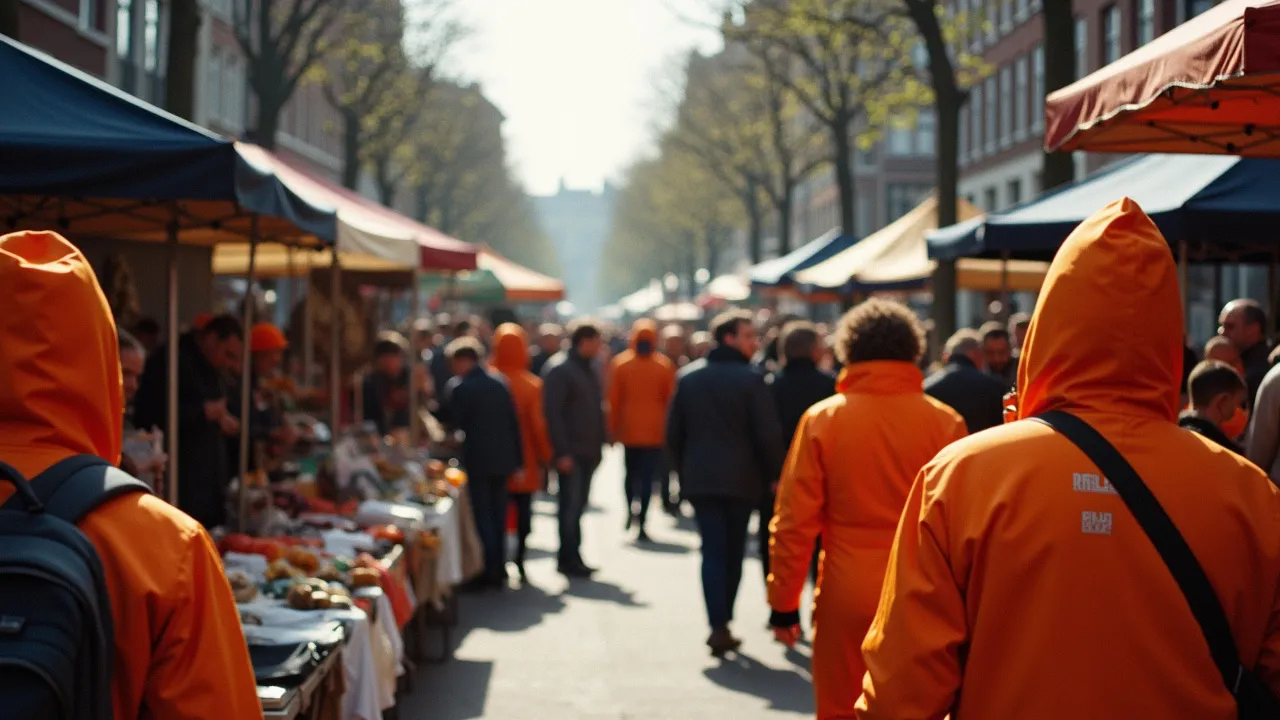
King's Day (Koningsdag) is the Dutch national holiday celebrating the king's birthday on April 27th, marked by orange-clad crowds, flea markets, music, and festivities nationwide.
The Historical Origins & Evolution of King's Day
King's Day, or Koningsdag, is the Netherlands' most vibrant national holiday, celebrated annually on April 27th. Its roots trace back to the late 19th century, evolving from Queen's Day (Koninginnedag) into the modern celebration honoring King Willem-Alexander's birthday. The day is a unique blend of royal pageantry, street markets, music festivals, and a sea of orange attire symbolizing the Dutch Royal House of Orange-Nassau.
The Foundational Catalyst: Queen's Day Origins
The tradition began on August 31, 1885, when the Liberal Party proposed a national holiday to strengthen Dutch unity and celebrate the monarchy. Initially called Princess's Day (Prinsessedag), it marked the fifth birthday of Princess Wilhelmina. After Wilhelmina ascended the throne in 1890, the holiday became Queen's Day (Koninginnedag) and was moved to her official birthday, August 31, in 1891. The day involved children's games, parades, and patriotic displays. When Queen Juliana succeeded Wilhelmina in 1948, the date shifted to April 30 (her birthday). This date remained for over six decades, even after Beatrix became queen in 1980—she retained April 30 as a tribute to her mother.
The Legislative/Official Adoption of King's Day
On January 28, 2013, Queen Beatrix announced her abdication, effective April 30, 2013. Her son, Willem-Alexander, became king on that day. The following year, the holiday was renamed King's Day (Koningsdag) and moved to the new king's official birthday, April 27th. Since 2014, April 27th has been the fixed date; if it falls on a Sunday, the celebration occurs on the preceding Saturday. The change was formalized by royal decree and embraced nationwide.
Modern Global Legacy
Today, King's Day is not only a Dutch national holiday but a global phenomenon. Dutch expatriate communities and tourism boards promote events in cities like New York, London, and Sydney. The day remains a symbol of Dutch identity, emphasizing community, freedom, and the monarchy's role as a unifying figure. The flea markets (vrijmarkt), where anyone can sell goods without a permit, underscore the day's spirit of equality and entrepreneurship.
How to Celebrate King's Day (Koningsdag)
Participating in King's Day is an immersive experience. Whether inside the Netherlands or abroad, the key is embracing orange attire and community spirit. Here is a definitive guide to celebrating authentically.
Essential Preparations
- Wear Orange: The national color is a must. Outfits, hats, wigs, face paint, and accessories should be orange. Royal blue accents (referencing the flag) are also common.
- Plan Your Location: Most festivities occur in city centers, especially in Amsterdam (Vondelpark, Jordaan), Utrecht, Rotterdam, and The Hague. Smaller towns host local markets and parades.
- Check the Weather: April in the Netherlands can be chilly and rainy; dress in layers and bring waterproof gear under your orange.
Step-by-Step Celebration Routine
- Morning: Vrijmarkt (Free Market) From dawn until noon, streets fill with stalls where anyone can sell second-hand goods, antiques, clothes, and food. Join as a seller or treasure hunter. No permit is required—just a blanket and goods.
- Midday: Street Music & Oranjebitter Bands and DJs play across every neighborhood. Drink oranjebitter (a bitter orange liqueur) or beer. Try haring (raw herring with onions) and tompoes (custard slice).
- Afternoon: Festivals & Boat Parties Major concerts occur in Museumplein (Amsterdam) and Malieveld (The Hague). Canals fill with decorated boats hosting private parties. Book tickets in advance for top events like Kingsland Festival or Koningsdag Concert.
- Evening: Vrijmarkt Cleanup & After-Parties By 6 PM, most markets close as volunteers sweep streets. Nightclubs and bars host official after-parties until early morning.
Celebrating Abroad
Dutch clubs and embassies host events globally. In major cities like New York (pier parties), Toronto (street fair), and Sydney (Opera House celebration), expats gather in orange. Check local Dutch organizations for schedules.
Core Traditions & Symbolism of King's Day
The Sea of Orange
The color orange derives from the House of Orange-Nassau, the Dutch royal family. On King's Day, the entire nation turns orange: clothing, face paint, flags, food, and decorations. This color symbolizes unity, pride, and loyalty.
Vrijmarkt: The Free Market
A unique tradition, the vrijmarkt allows anyone to sell goods without a license or tax. It started as a children's activity in the 1950s and grew into a nationwide phenomenon. Families set up blankets in parks and streets, selling toys, books, and clothes. It's a massive garage sale that promotes sustainability and community interaction.
King's Games & Sporting Events
Many cities host King's Games (Koningsspelen) in schools and public spaces, featuring races, sack jumps, and relay games. These promote physical activity among children. Adult sporting events include King's Run (5 km or 10 km runs) and canal swimming contests.
Royal Visits
The King and his family visit one or two municipalities each year, participating in games, meeting citizens, and watching performances. The royal tour is broadcast live on national television. The chosen towns are decorated extensively.
Global Impact & Commercial Influence
King's Day has evolved into a major economic and tourism driver for the Netherlands. In 2024, the day contributed an estimated €350 million to the Dutch economy through consumer spending on food, drinks, decorations, and travel. International tourism spikes, with Amsterdam alone hosting over 500,000 visitors for the festivities. The event is also a marketing bonanza: brands release limited-edition orange products, airlines offer special fares, and streaming services feature Dutch music playlists. Globally, Dutch diaspora communities use the day to promote their heritage, often partnering with local businesses for street parties and cultural showcases.
Environmental & Social Considerations
Sustainability Efforts
The massive waste generated by King's Day has prompted cities to implement recycling stations and deposit systems for plastic cups. Amsterdam-based initiatives like King's Day Clean-up mobilize volunteers to collect litter after festivities. Many party organizers now use reusable cups and compostable plates.
Inclusivity and Safety
Authorities emphasize responsible drinking and crowd control. Free water points, first-aid stations, and safe zones for vulnerable groups are common. The government also promotes a no-fireworks policy to prevent injuries and animal distress. In recent years, gender-neutral and accessible event programming has increased, ensuring all can participate.
King's Day in Popular Culture & Media
King's Day features prominently in Dutch films, music, and literature. Songs like "Koningsdag" by Snelle and "Oranje Bovenaan" by Kinderen voor Kinderen have become anthems. International media often cover the day as a spectacle of national unity and eccentricity. The 2017 film "Koningsdag" (A day in the life of a party boat) offers a comedic look at the celebration. Social media trends include #Koningsdag and #Oranjegekte, with millions of photos and videos shared annually. The day has also inspired similar events abroad, like King's Day in Aruba (a Dutch constituent country) which combines local culture with orange festivities.
Historical Timeline
First celebration of Princess's Day (Prinsessedag) on August 31, honoring Princess Wilhelmina's 5th birthday, organized by the Liberal Party to promote national unity.
After Wilhelmina becomes queen, the holiday is officially named Queen's Day (Koninginnedag) and set on August 31, her birthday.
Queen Juliana ascends the throne; Queen's Day moves to April 30, her birthday, which becomes the permanent date for over six decades.
Queen Beatrix inherits the throne but retains April 30 as Queen's Day out of respect for her mother, Juliana.
Queen Beatrix abdicates on April 30; Willem-Alexander becomes king. The holiday is renamed King's Day (Koningsdag) and moved to April 27, his official birthday.
First official King's Day celebrated on April 27th, featuring the new royal family's tour of De Rijp and Amstelveen.
King's Day celebrations canceled due to the COVID-19 pandemic; replaced by a national online concert and televised royal activities from Huis ten Bosch Palace.
Record economic impact estimated at €350 million; global celebrations expand with official events in over 30 countries.