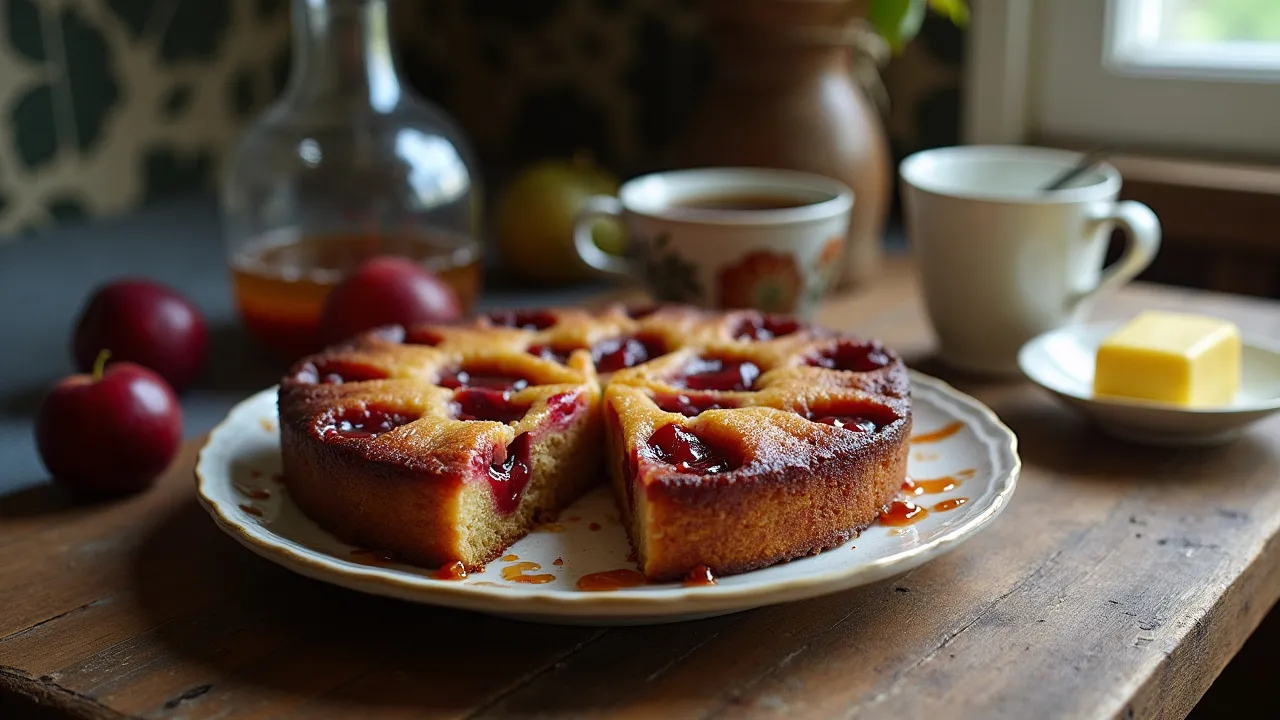
National Plum Pudding Day on February 12th celebrates the rich, fruity dessert with centuries of tradition. Learn its history, how to make it, and global variations.
The Historical Origins & Evolutionary Journey
National Plum Pudding Day, observed annually on February 12th, honors a dessert that has evolved over centuries from a savory porridge to a beloved festive treat. The roots of plum pudding trace back to medieval England, where it began as a way to preserve fruits and meats for winter.
The Foundational Catalyst
Originally called 'plum pottage,' the dish was a thick, meat-based stew made with beef or mutton, dried plums (prunes), wine, and spices. The word 'plum' in medieval times referred to any dried fruit, not just plums. By the 16th century, the dish had transformed into a sweeter pudding, thanks to the addition of sugar and the introduction of dried fruits like raisins and currants from trade with the Mediterranean.
The Legislative/Official Adoption
In 1664, the Puritans banned Christmas puddings as 'sinfully rich,' but after the Restoration, plum pudding regained popularity. In 1714, King George I (the 'Pudding King') reportedly demanded plum pudding for his Christmas dinner, cementing its association with the holidays. By the Victorian era, steamed plum pudding became the centerpiece of a traditional Christmas meal, often infused with brandy and set alight.
Modern Global Legacy
Today, plum pudding is synonymous with Christmas in the UK, Ireland, Australia, and other Commonwealth nations. However, National Plum Pudding Day on February 12th extends the celebration beyond the holiday season, encouraging people to enjoy this dessert year-round. The day also highlights the pudding's versatility, with modern variations including gluten-free, vegan, and alcohol-free versions.
How to Celebrate National Plum Pudding Day
Whether you're a seasoned baker or a curious foodie, National Plum Pudding Day offers many ways to participate. Here is a definitive guide to celebrating globally:
Traditional At-Home Celebrations
- Make Your Own Pudding: Start a day early, as traditional recipes recommend 12 hours of soaking. Use suet, breadcrumbs, brown sugar, and a mix of dried fruits. Steam for 6-8 hours, then serve with brandy butter or custard.
- Host a Tasting Party: Invite friends to sample different puddings from local bakeries or homemade versions, blind-tasting and voting on the best.
- Charity Bake Sale: Bake extra puddings and sell them to raise funds for a local food bank, sharing the spirit of giving.
Corporate & School Activities
- Office Potluck: Encourage employees to bring in their family recipes and vote for the 'Office Champion Pudding.'
- Classroom History Lesson: Teachers can provide a brief history of plum pudding and have students decorate paper puddings with pretend coins for good luck.
- Community Cook-Off: Local community centers can host a competition with categories like 'most traditional,' 'most creative,' and 'best vegan.'
Regional Celebrations
In the UK, pubs often serve a special pudding menu. In Australia, where February is summer, a cold 'pudding' (like a trifle) is sometimes substituted. In the US, enthusiasts can find premade puddings at specialty stores or order online from British import shops.
Classic Recipe & Ingredient Deep Dive
A traditional plum pudding is a dense, steamed cake loaded with dried fruits and spices. The ingredient list is a testament to its history as a luxury dish.
Key Components
- Dried Fruits: Raisins, currants, sultanas, and chopped prunes or dates form the bulk. Some recipes add candied citrus peel.
- Fats: Beef suet gives a rich texture, but butter or vegetable shortening can be substituted.
- Liquid: Stout, ale, brandy, or dark rum—or fruit juice for alcohol-free versions.
- Spices: Cinnamon, nutmeg, allspice, and cloves provide warmth.
- Binder: Eggs and breadcrumbs hold the mixture together.
A classic recipe involves mixing all ingredients, letting them rest overnight (to develop flavor), then steaming for up to 8 hours. Serve flambéed with brandy for a dramatic presentation.
Global Variations & Cultural Adaptations
While plum pudding is quintessentially British, similar dishes exist worldwide. Here are notable variations:
Europe
- Germany: 'Weihnachtspudding' is lighter, often with marzipan.
- France: 'Bûche de Noël' (Yule log) is more cake-like, but some regions make a steamed 'pouding' inspired by the British.
North America
- Canada: Traditional 'Christmas pudding' is similar but sometimes includes maple syrup.
- United States: Often seen as a holiday oddity, but Southern 'persimmon pudding' shares some traits.
Caribbean
- Jamaica: 'Christmas pudding' includes rum-soaked fruits and is dense, served with hard sauce.
- Trinidad and Tobago: 'Black cake' is a fruitcake soaked in rum, resembling plum pudding.
Australia & New Zealand
Pavlova may be more iconic, but plum pudding remains a Christmas fixture, often served with custard or ice cream. Since Christmas is summer, some prefer a chilled 'pudding' made with ice cream and fruits.
Cultural Significance & Traditions
Plum pudding is more than a dessert; it embodies holiday magic and family history.
Symbolism and Superstitions
- Silver Coins: A silver coin (traditionally a sixpence) is hidden in the pudding, said to bring good luck and wealth to the finder.
- Wishbone: Sometimes a small charm is added for marriage, a thimble for thrift, or a ring for romance.
- Flambéing: Pouring brandy and setting the pudding alight symbolizes the warmth of the season and purifies the dish.
Family and Community
Many families pass down recipes through generations, with secret tweaks. 'Stir-up Sunday' (the last Sunday before Advent) is the traditional time to mix the ingredients, with each family member taking a turn stirring and making a wish.
Health & Nutrition Considerations
While plum pudding is a treat, it does offer some nutritional value. Dried fruits provide fiber, vitamins, and minerals like iron and potassium. However, the high sugar and fat content means moderation is key.
Nutritional Profile
A typical slice (100g) contains about 300-400 calories, 15g fat, 50g carbs, and 4g protein. The inclusion of nuts and suet adds saturated fat.
Dietary Adaptations
- Lower Sugar: Reduce added sugar or use unsweetened dried fruits.
- Gluten-Free: Use gluten-free breadcrumbs or almond flour instead of wheat.
- Vegan: Substitute suet with vegetable shortening or coconut oil, and use plant-based milk and egg replacers.
- Alcohol-Free: Soak fruits in apple juice or tea instead of spirits.
Enjoy plum pudding as an occasional indulgence, paired with a light custard or fresh fruit to balance richness.
Modern Trends & Marketing Impact
National Plum Pudding Day has grown through social media and food blogging. Here are current trends:
Artisanal and Gourmet
Small-batch producers offer premium puddings with exotic fruits, organic ingredients, and creative flavors like chocolate-orange or spiced pear.
Online Communities
Instagram and Pinterest feature #PlumPuddingDay posts with homemade recipes, step-by-step videos, and vintage-inspired styling. Influencers collaborate with brands to promote pre-made puddings.
Retail and E-commerce
Specialty food retailers see a sales spike in February. Companies like Harrods, Fortnum & Mason, and Williams Sonoma promote gift boxes. Subscription boxes often include a mini pudding.
The day also boosts tourism to historic British inns that offer pudding-making classes.
Historical Timeline
First recorded 'plum pottage' recipe appears in English cookbooks, a savory stew with dried fruits and meat.
Puritans ban Christmas puddings as decadent, but the ban fades after the Restoration.
King George I reportedly demands plum pudding for Christmas, popularizing it among the aristocracy.
Victorian era: Steamed plum pudding becomes a Christmas staple, with Charles Dickens describing it in 'A Christmas Carol'.
Commercial puddings appear, using tinned cans for long shelf life.
Grocery stores sell pre-made puddings; the tradition of a hidden silver coin is widely adopted.
National Plum Pudding Day is unofficially established on February 12th, gaining traction via food blogs and calendar sites.
Vegan and gluten-free plum puddings become mainstream, sold in major supermarkets.