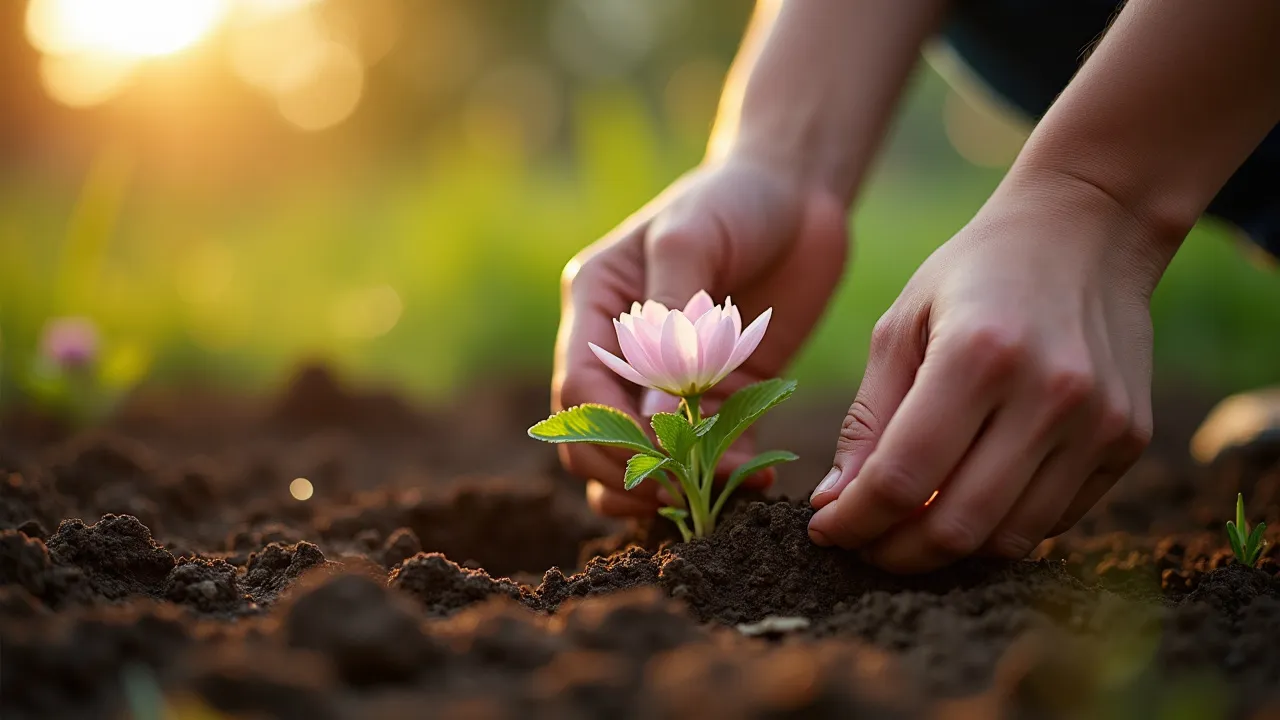
National Plant a Flower Day on March 12th inspires everyone to plant a flower, beautify their surroundings, and connect with nature. Celebrate by adding color to your garden or balcony.
History of National Plant a Flower Day
The Origins of the Observance
National Plant a Flower Day, observed annually on March 12th, has its roots in the growing environmental awareness of the late 20th century. While no single founder is officially recorded, the day gained momentum through grassroots efforts by gardening enthusiasts and organizations like the National Garden Bureau, which promoted the idea of dedicating a specific day to planting flowers. The date March 12th was chosen because it falls in early spring in the Northern Hemisphere, when many regions begin their gardening season, making it ideal for planting flowers.
Evolution Over Decades
By the early 2000s, the observance had spread across the United States and into other countries via social media and gardening blogs. It transformed from a simple gardening activity into a broader movement celebrating biodiversity, mental health benefits of gardening, and community beautification. Schools and community centers began incorporating flower planting into their curriculum, and corporations adopted the day for employee wellness programs. Today, National Plant a Flower Day is recognized globally, with many organizations hosting seed swaps, planting workshops, and public garden installations.
Modern Global Legacy
In recent years, the day has expanded to include digital engagement, such as sharing photos of planted flowers on social media with hashtags like #PlantAFlowerDay. Environmental groups use the day to highlight the importance of pollinators, encouraging the planting of native wildflowers. The observance has also become a call to action against climate change, as flowers play a crucial role in carbon sequestration and ecosystem health.
How to Celebrate National Plant a Flower Day
For Individuals and Families
Celebrating is easy: simply plant a flower! Whether you have a large garden or a small balcony, follow these steps:
- Choose a flower suited to your climate and sunlight conditions. Native plants are recommended for sustainability.
- Prepare the soil by loosening it and adding compost if needed.
- Plant seeds or seedlings at the proper depth and water thoroughly.
- Mulch around the plant to retain moisture and suppress weeds.
- Label your plant with its name and date for memory.
You can also engage in related activities such as starting a flower journal or creating a butterfly garden.
For Schools and Communities
Organize a group planting event in a local park or schoolyard. Use these ideas:
- Invite a master gardener to give a talk on native species.
- Set up a seed exchange station where participants can trade seeds.
- Create a photo booth with your newly planted flowers and share on social media.
Corporate and Organizational Celebrations
Companies can offer employees flower kits to plant at home or sponsor a community garden. Some businesses host team-building planting sessions, promoting workplace wellness and environmental stewardship.
Global Variations
While March 12th is the primary date, some countries celebrate on different dates due to climate. For example, in Australia, where March is autumn, the day is sometimes observed in September (spring). In tropical regions, planting can occur year-round. Always adapt to local seasons.
Environmental Benefits of Planting Flowers
Supporting Pollinators
Flowers provide essential nectar and pollen for bees, butterflies, and other pollinators. By planting a variety of flowers that bloom in different seasons, you create a continuous food source. Native wildflowers are particularly effective as they co-evolved with local pollinators.
Improving Soil and Air Quality
Flowers help prevent soil erosion with their root systems. They also absorb carbon dioxide and release oxygen, improving air quality. Some flowers, like sunflowers, can even absorb heavy metals from contaminated soil—a process known as phytoremediation.
Enhancing Biodiversity
Flower gardens attract a range of wildlife, from insects to birds, creating a balanced ecosystem. Planting a diverse mix of flower species increases ecological resilience against pests and diseases.
Reducing Urban Heat Island Effect
In cities, planting flowers in gardens, parks, and rooftops helps cool the environment through evapotranspiration. This reduces the need for air conditioning in nearby buildings, saving energy.
Selecting the Right Flowers for Your Region
Understanding Hardiness Zones
The USDA Hardiness Zone Map divides regions based on average minimum winter temperatures. Selecting flowers suited to your zone increases survival rates. For example, zone 5 winters can reach -20°F, so choose cold-hardy perennials like coneflowers or black-eyed Susans.
Native vs. Exotic Species
Exotic flowers may require more water and fertilizers. Native flowers are adapted to local rainfall and soil, requiring less maintenance. Additionally, they support local pollinators better. Check with your local extension office for a list of recommended native flowers.
Seasonal Considerations
Spring-blooming bulbs like tulips and daffodils should be planted in fall for March blooms. Summer annuals like marigolds and petunias can be planted as seedlings after the last frost. Use a calendar to plan your flower garden throughout the year.
Community and Educational Programs
School Garden Initiatives
Many schools incorporate National Plant a Flower Day into their science curriculum. Students learn about plant life cycles, photosynthesis, and ecology while planting flowers. Some programs partner with local nurseries to donate supplies.
Public Gardens and Arboreta
Botanical gardens often host special events on March 12th, including guided planting demonstrations, workshops on flower arranging, and tours of their collections. These events foster community engagement and education.
Community Gardening Projects
Neighborhood groups can transform vacant lots into flower gardens. Such projects reduce blight, increase property values, and provide green spaces for residents. Tools and seeds can be sourced through donations or grants.
The Economic Impact of Flower Gardening
Horticulture Industry
The flower gardening industry contributes billions annually to the economy through sales of seeds, plants, tools, and landscaping services. National Plant a Flower Day boosts demand for spring planting supplies, benefiting local nurseries and garden centers.
Job Creation
From growers and retailers to landscape designers and educators, the flower industry supports a wide range of jobs. Specialized roles in floriculture and soil science are in demand.
Retail and Online Sales
Retailers often run promotions on March 12th, offering discounts on flower seeds and plants. Online seed catalogs see a spike in orders, and e-commerce platforms highlight gardening products. This day also encourages impulse buys, boosting retail revenue.
Historical Timeline
National Plant a Flower Day first appears in gardening calendars and online forums, promoted by enthusiasts as a day to plant flowers.
The National Garden Bureau endorses the day, helping to spread its popularity through newsletters and events.
Social media platforms like Twitter and Facebook see the first widespread use of the hashtag #PlantAFlowerDay.
Several U.S. states issue proclamations recognizing March 12 as National Plant a Flower Day.
During the COVID-19 pandemic, the observance gains new significance as people turn to home gardening for stress relief and food security.
International participation grows, with gardening clubs in the UK, Canada, and Australia organizing community planting events.