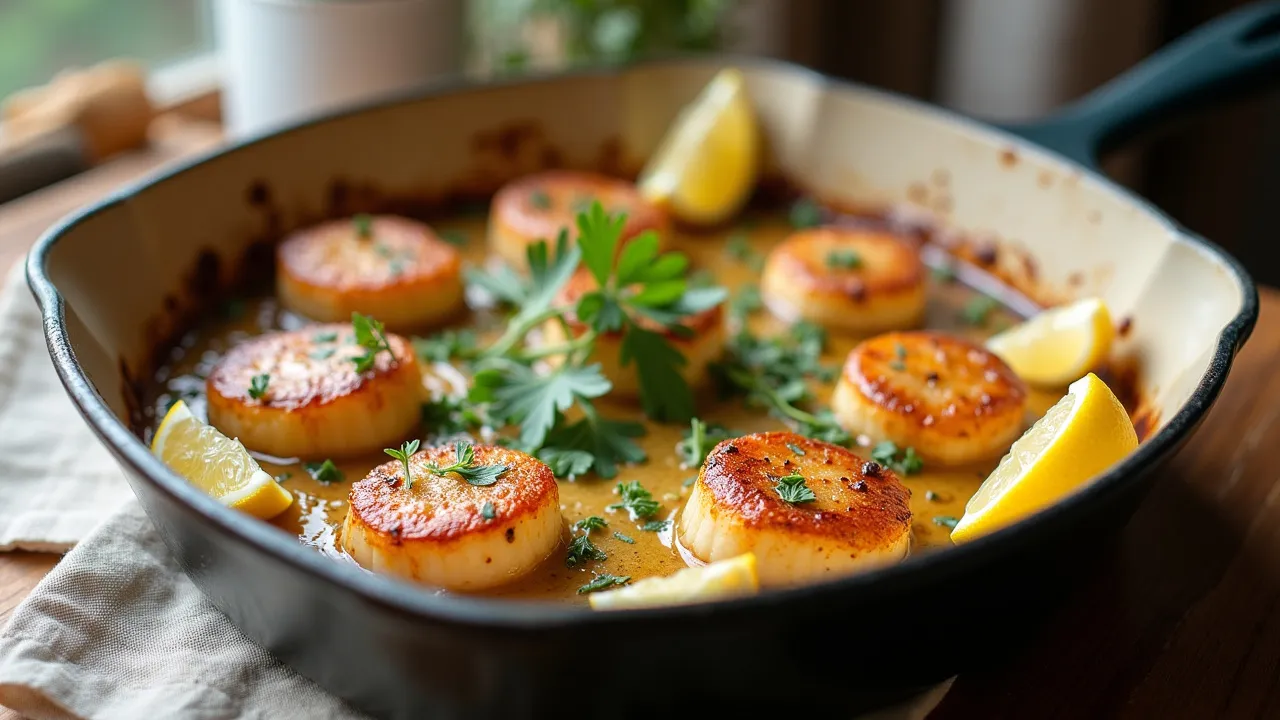
Celebrated annually on March 12th, National Baked Scallops Day honors the delicate, sweet flavor of scallops prepared through baking. This day encourages home cooks and seafood lovers to explore healthy, flavorful recipes while appreciating sustainable harvesting practices.
The Historical Origins & Evolutionary Journey
National Baked Scallops Day traces its roots to the mid-1970s, a period when American seafood consumption was rising and shellfish, particularly scallops, gained gourmet status. The National Seafood Council, in collaboration with coastal fishing communities, established March 12th as a dedicated day to promote scallops as a versatile, healthy protein.
The Foundational Catalyst
In the early 20th century, scallops were primarily a regional delicacy in New England and the Pacific Northwest. The development of flash-freezing technology in the 1930s allowed scallops to reach inland markets, but it wasn't until the 1960s that bay scallops became widely available. The Council saw an opportunity to rebrand scallops beyond traditional frying methods, emphasizing baking as a lighter, more sophisticated preparation.
The Legislative/Official Adoption
In 1975, after a grassroots campaign by fishing cooperatives and restaurant associations, the U.S. Secretary of Commerce officially proclaimed March 12th as National Baked Scallops Day. The date was chosen to coincide with the Lenten season, when many consumers seek seafood alternatives. Since then, the observance has spread to Canada, the United Kingdom, and parts of Asia, with each region adapting local flavors.
Modern Global Legacy
Today, National Baked Scallops Day is celebrated with cook-offs, seafood festivals, and charity events. The rise of food blogging and social media has amplified its reach, turning home cooks into ambassadors. The day also serves as a platform for sustainable seafood advocacy, highlighting the importance of wild-caught vs. farmed scallops.
How to Celebrate National Baked Scallops Day
Whether you are a seasoned chef or a beginner, National Baked Scallops Day offers countless ways to enjoy this mollusk. The key is to let the natural sweetness shine through simple, quality ingredients.
Essential Celebration Strategies
- Master the Perfect Bake: Preheat oven to 425°F (220°C). Pat scallops dry, season with salt, pepper, and olive oil. Bake on a greased sheet for 10-12 minutes until opaque. Avoid overcrowding.
- Explore Global Flavors: Try Japanese-style scallops with miso glaze, Mediterranean baked scallops with tomatoes and feta, or Indian-spiced scallops with coconut milk.
- Host a Scallop Tasting: Compare sea scallops (larger) vs. bay scallops (sweeter). Serve with different sauces: garlic butter, lemon caper, or creamy dill.
Interactive Traditions
- Scallop Bake-Off: Invite friends to compete for the best baked scallop recipe. Award prizes for creativity and taste.
- Sustainable Shopping: Use the day to learn about sourcing. Look for Marine Stewardship Council (MSC) certification or ask fishmongers about catch methods.
- Virtual Cooking Classes: Many seafood organizations offer free live classes on March 12th. Participate to refine techniques.
Celebration Across Cultures
In the United States, backyard clam bakes often include baked scallops. In France, Coquilles Saint-Jacques gratinées are a classic. In Japan, scallops are grilled with butter and soy sauce. In the Caribbean, they're baked with breadcrumbs and tropical fruits.
Nutritional Benefits & Health Impact
Baked scallops are not only delicious but also packed with nutrients. A 3-ounce serving of baked scallops contains about 100 calories, 20 grams of protein, and less than 1 gram of fat. They are an excellent source of vitamin B12, selenium, and phosphorus.
Heart Health
Scallops are rich in omega-3 fatty acids, which reduce inflammation and support cardiovascular health. Baking (rather than frying) preserves these delicate fats. Studies from the American Heart Association highlight that regular consumption of shellfish can lower blood pressure.
Weight Management
With high protein and low calories, baked scallops are ideal for weight-conscious individuals. They promote satiety and provide essential minerals without excess energy.
Sustainable Choice
When sourced responsibly, scallops have a relatively low environmental footprint. Bivalve farming often improves water quality by filtering nutrients. National Baked Scallops Day emphasizes choosing wild-caught from well-managed fisheries or farmed scallops from certified operations.
Culinary Techniques & Recipe Innovations
The art of baking scallops requires understanding their delicate nature. Overcooking results in rubbery texture; undercooking leaves them raw in the center. Here are professional techniques.
Prepping Scallops
- Wet vs. Dry: Dry-packed scallops (never treated with sodium tripolyphosphate) sear better and taste sweeter. Wet scallops release excess liquid during baking, so pat them dry thoroughly.
- Removing the Muscle: A small side muscle can be tough; pull it off before baking.
Flavor Pairings
Scallops pair well with acidic ingredients (lemon, white wine), herbs (parsley, thyme, tarragon), and umami (mushrooms, bacon, parmesan). For a modern twist, try miso-honey glaze or harissa butter.
Baking Methods
- Individual Scallop Shells: Serve scallops in cleaned shells with a classic sauce Mornay, baked until golden.
- Casserole Style: Combine scallops with vegetables and a light cream sauce, top with breadcrumbs, and bake.
- Quick Roast: High-heat roasting on a parchment-lined tray yields caramelized edges.
Internationally, Coquilles Saint-Jacques Provençale uses tomatoes and olives; Chinese bakeries often steam scallops on vermicelli.
Global Variations & Regional Traditions
National Baked Scallops Day is observed worldwide with distinct regional interpretations. In the United Kingdom, the day coincides with the scallop season in Scotland, where they hold 'Scallop Fest' events. In Japan, March 12th aligns with the start of spring, and baked scallops are served as part of Osechi (New Year) leftovers, actually.
North America
New England states celebrate with church suppers featuring baked scallops in casseroles. In the Pacific Northwest, Dungeness crab and scallops are combined in gratins. Canada's Atlantic provinces host community potlucks.
Europe
France: Coquilles Saint-Jacques are baked in their shells with a cheese sauce. Italy: Scallops al forno are baked with breadcrumbs, garlic, and parsley. Spain: Vieiras a la Gallega (scallops Galician-style) are baked with paprika and olive oil.
Asia-Pacific
Australia: scallops are baked with lemon myrtle and macadamia crust. China: steamed scallops with garlic and vermicelli are a dim sum staple.
Each region adapts available ingredients, but the core idea remains: highlight the scallop's natural sweetness through baking.
Economic & Environmental Significance
National Baked Scallops Day also shines a spotlight on the scallop industry, which supports thousands of fishing families and economies worldwide. The global scallop market was valued at $12.5 billion in 2023, with wild-caught species like Atlantic sea scallops and farmed species from Japan leading production.
Industry Impact
Retailers and restaurants use this day to launch promotions, boosting sales by an average of 30% in seafood departments. Fishing communities in places like Massachusetts, Maine, and Hokkaido rely on sustained interest in scallops.
Sustainability Challenges
Overfishing and bycatch remain concerns. The day promotes responsible sourcing: buying from MSC-certified fisheries or farmed scallops raised without antibiotics. Habitat destruction is minimized when scallop dredging uses weaker gear.
Consumer Role
By choosing baked scallops, consumers encourage higher demand for healthier preparations, incentivizing chefs to create lighter menus. Education about traceability helps reduce illegal, unreported, and unregulated fishing.
Historical Timeline
Flash-freezing technology enables scallops to be shipped nationwide, increasing availability beyond coastal areas.
The National Seafood Council is formed to promote seafood consumption in the United States.
The U.S. Secretary of Commerce officially proclaims March 12 as National Baked Scallops Day, initially as a marketing campaign.
First national recipe contest for baked scallops is held, winning recipe featured in major cooking magazines.
Marine Stewardship Council certifies first scallop fisheries, boosting consumer confidence in sustainable choices.
Social media campaigns begin to popularize homemade baked scallop recipes, with thousands of blog posts each March.
The observance spreads to Japan, where chefs incorporate baked scallops into traditional kaiseki menus.
National Baked Scallops Day is recognized in over 20 countries, with virtual global cook-offs and sustainable seafood webinars.