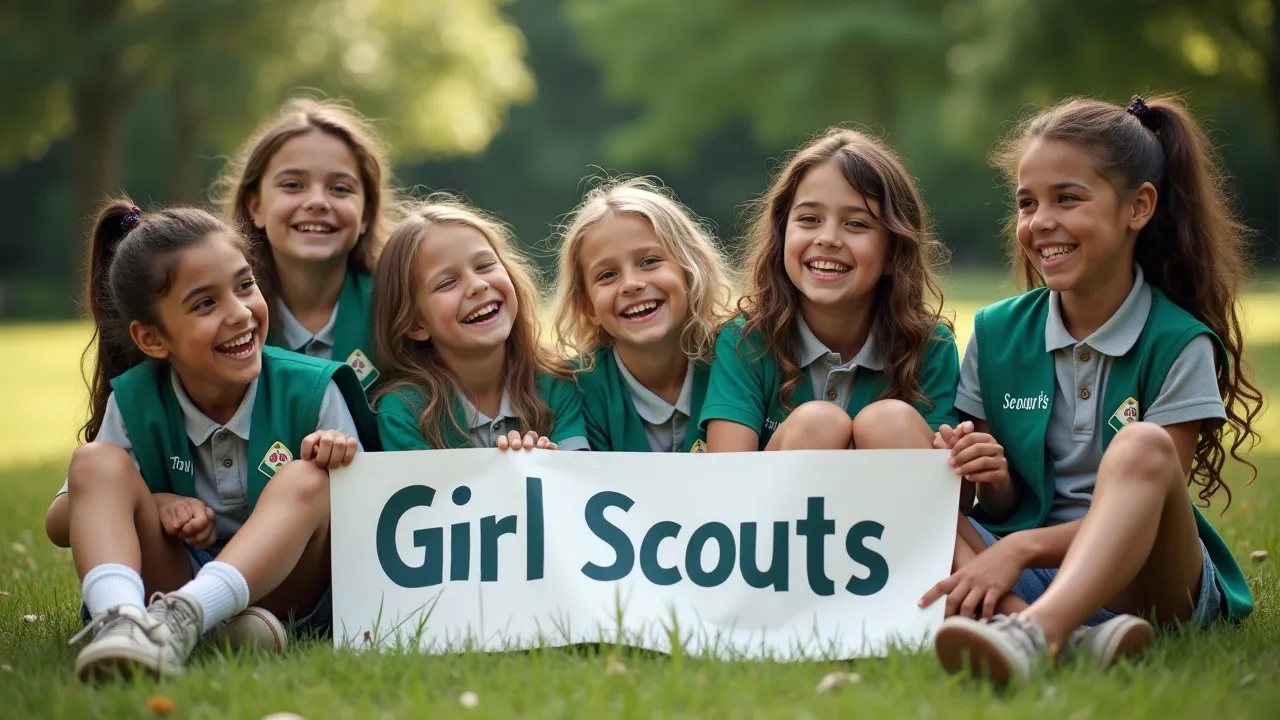
National Girl Scout Day on March 12th honors the founding of the Girl Scouts of the USA by Juliette Gordon Low in 1912. It celebrates the organization's mission to build courage, confidence, and character in girls worldwide.
The Historical Origins & Evolutionary Journey
National Girl Scout Day commemorates the founding of the Girl Scouts of the USA on March 12, 1912, by Juliette Gordon Low in Savannah, Georgia. This day honors the organization's century-long legacy of empowering girls and young women through leadership, outdoor activities, and community service.
The Foundational Catalyst
Juliette Gordon Low, known as "Daisy," met Sir Robert Baden-Powell, founder of the Boy Scouts and Girl Guides, in England. Inspired, she returned to the United States and established the first Girl Scout troop with 18 members. The organization grew rapidly, emphasizing self-reliance, citizenship, and outdoor skills.
The Legislative/Official Adoption
While National Girl Scout Day is not a federal holiday, it has been officially recognized by presidential proclamations and congressional resolutions over the years. The Girl Scouts of the USA itself promotes the day as a time for reflection and celebration.
Modern Global Legacy
Today, the Girl Scouts have over 2.5 million members in the US and affiliates in more than 90 countries. The movement has adapted to address modern issues such as STEM education, environmental stewardship, and social justice while preserving its core values.
How to Celebrate National Girl Scout Day
National Girl Scout Day offers countless opportunities to honor the organization and its impact. Whether you are a current member, alumna, or supporter, here are actionable ways to celebrate:
For Individuals and Families
- Share your Girl Scout memories on social media using the hashtag #NationalGirlScoutDay.
- Volunteer to lead a troop or assist with a local event.
- Purchase and enjoy Girl Scout cookies—proceeds support troop activities.
For Schools and Community Groups
- Organize a uniform day where students wear Girl Scout attire.
- Invite a local troop to present their community service projects.
- Host a badge-earning workshop on first aid, coding, or environmental science.
Corporate and Organizational Rituals
Many companies offer matching donations for employee Girl Scout cookie sales or sponsor troop events. Celebrate by highlighting alumnae in leadership roles and fostering partnerships with local councils.
The Global Impact of Girl Scouting
The Girl Scout movement extends far beyond the United States. Through the World Association of Girl Guides and Girl Scouts (WAGGGS), the organization reaches millions in over 150 countries. National Girl Scout Day underscores the global sisterhood that transcends borders.
Key Global Initiatives
- UNESCO partnerships: Girls' education and literacy programs in developing nations.
- Environmental action: Tree planting campaigns and plastic reduction projects.
- Health and wellness: mental health first aid training and nutrition education.
Core Societal Themes in Modern Girl Scouting
Today's Girl Scouts engage with pressing societal issues, including:
- STEM education: Over 100 badges in science, technology, engineering, and math.
- Financial literacy: Cookie sales teach budgeting, goal-setting, and entrepreneurship.
- Inclusivity: Open to all girls and gender-expansive youth, with resources for LGBTQ+ members.
- Mental health: New badges on emotional wellbeing and resilience.
Industry Transformations: The Cookie Legacy
Girl Scout cookies are more than a snack—they are a $800 million annual enterprise and the largest girl-led business in the world. Sales teach five essential skills: goal setting, decision making, money management, people skills, and business ethics. National Girl Scout Day often coincides with cookie season, highlighting this entrepreneurial engine.
Cultural Traditions Across Regions
While National Girl Scout Day is primarily a US observance, International Girl Guide and Girl Scout Day is celebrated on February 22 (the birthday of Lord Baden-Powell and Olave Baden-Powell). In many countries, local founding dates are honored. For example, Girl Guides UK celebrate Thinking Day on February 22. This section clarifies the primary US date and acknowledges global variations.
Historical Timeline
Juliette Gordon Low founded the first Girl Scout troop in Savannah, Georgia, with 18 girls on March 12.
The organization published its first handbook, 'How Girls Can Help Their Country'.
The first cookie sale by the Mistletoe Troop in Muskogee, Oklahoma, to support troops.
Girl Scouts became an international movement with troops in China and other countries.
Juliette Gordon Low died, leaving a legacy of over 1 million members.
The Girl Scouts were granted a federal charter by the U.S. Congress.
First African American Girl Scout troop in the South integrated.
Girl Scouts launched its first national science badge, 'Science in Action'.
Centennial celebration of Girl Scouts, with over 50 million alumnae.
Girl Scouts introduced virtual programming and updated badges for mental health and cybersecurity.