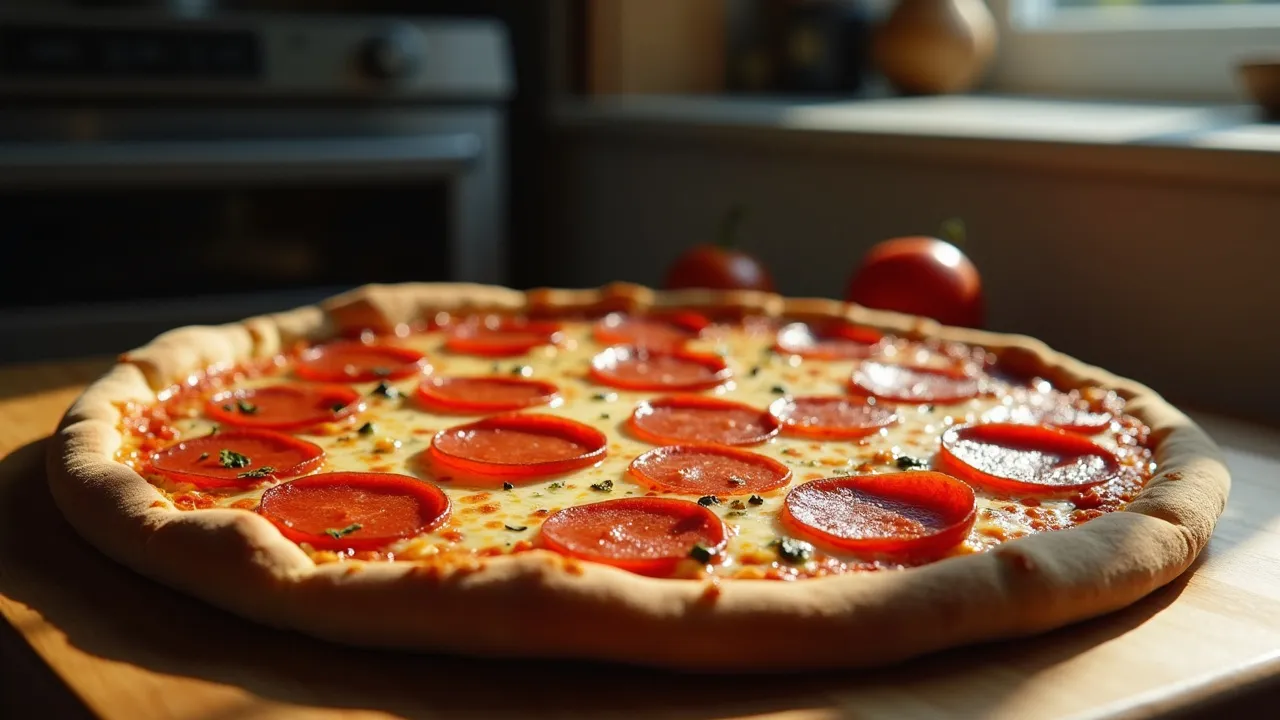
National Pepperoni Pizza Day, observed on September 20th, celebrates America's favorite pizza topping. This day honors the beloved combination of crispy crust, tangy tomato sauce, gooey mozzarella, and spicy pepperoni slices that has become a cultural icon.
The Historical Origins & Evolutionary Journey
Pepperoni pizza, a staple of American cuisine, has a rich history intertwined with Italian immigration, industrialization, and the rise of fast food. National Pepperoni Pizza Day, observed on September 20th, provides an annual occasion to celebrate this iconic dish.
The Foundational Catalyst
The origins of pizza date back to ancient times, but the modern version emerged in Naples, Italy, in the 18th century. When Italian immigrants arrived in the United States in the late 19th and early 20th centuries, they brought pizza with them. In New York City, the first pizzeria, Lombardi's, opened in 1905, serving simple margherita pies. The addition of pepperoni, a cured pork and beef sausage seasoned with paprika and chili, is distinctly American. Spicy salamis similar to pepperoni were known in Italy, but the term 'pepperoni' first appeared in the U.S. in the 1910s.
The Legislative/Official Adoption
Pepperoni pizza gained nationwide popularity after World War II, when returning soldiers craved the flavors they encountered in Europe. The pizza industry boomed in the 1950s and 1960s, with chains like Pizza Hut and Domino's placing pepperoni at the forefront. By the 1980s, pepperoni became the most popular pizza topping in America. National Pepperoni Pizza Day likely emerged as a marketing creation by pizzerias and food enthusiasts in the early 2000s, though no single founder is credited. The date September 20th was chosen arbitrarily, possibly to coincide with autumn harvests and increased pizza consumption.
Modern Global Legacy
Today, pepperoni pizza is consumed worldwide, with variations ranging from thin crust to deep-dish. It accounts for over 36% of all pizza orders in the U.S., making it the top choice. National Pepperoni Pizza Day has been embraced by chains offering discounts and limited-time offers, and by individuals sharing photos on social media. The day serves as a reminder of the culinary fusion that defines American food culture.
How to Celebrate National Pepperoni Pizza Day
Celebrating National Pepperoni Pizza Day on September 20th can be a fun and delicious experience. Whether you are a home cook or a pizza enthusiast, here are comprehensive ways to make the most of the day.
Best Practices for Individuals
- Order from your favorite local pizzeria: Support small businesses by ordering a classic pepperoni pizza. Many pizzerias offer special deals on this day.
- Make homemade pepperoni pizza: Try your hand at crafting a pizza from scratch. Use fresh dough, quality tomato sauce, mozzarella cheese, and premium pepperoni slices. Experiment with different crusts, such as Neapolitan, New York-style, or Detroit-style.
- Host a pizza tasting party: Invite friends and family to sample pepperoni pizzas from different pizzerias. Compare styles and vote for the best. Pair with craft beer or soda.
Interactive Traditions and Corporate Rituals
Schools and workplaces can organize pizza parties. Some companies provide free pepperoni pizza to employees. Social media challenges, such as 'Pepperoni Pizza Art' where participants arrange pepperoni slices into creative designs, have gained popularity. Pizzerias often run contests for the most creative topping combinations that still keep pepperoni as the star.
Global Celebration Dynamics
While pepperoni pizza is primarily American, it is celebrated worldwide with local twists:
- United States: Traditional thin-crust with cheese and pepperoni is king. National chains offer $5 pizzas.
- Australia: 'Pepperoni' is often called 'salami' on pizzas, and the day is marked by specials at local joints.
- Japan: Pepperoni pizza is served with corn and mayonnaise, and the day is promoted by foreign franchises.
- Italy: Pepperoni pizza is seen as an American oddity, but it is still available in tourist areas. Purists prefer margherita.
Global Impact & Cultural Significance
Pepperoni pizza has transcended its American roots to become a global phenomenon. Its cultural significance lies in its ability to adapt to local tastes while maintaining its core identity.
American Icon
In the U.S., pepperoni pizza is synonymous with casual dining, sports events, and college life. It is often the first choice for parties and gatherings. The phrase 'pepperoni pizza' has entered the lexicon as a symbol of comfort food.
International Adaptations
In India, pepperoni is replaced with spicy chicken or mutton. In Brazil, it is topped with cheese and catupiry. In South Korea, pepperoni pizza is often served with sweet potato mousse. These adaptations reflect local palates. National Pepperoni Pizza Day is celebrated in these countries mainly through American-style pizzerias.
Societal Themes
The day highlights themes of globalization and cultural exchange. It also raises discussions about processed meats and health. Many use the day to promote moderation and explore healthier pepperoni options, such as turkey or vegan pepperoni. The observance encourages mindful celebration.
Nutritional Insights & Health Considerations
Pepperoni pizza is delicious but often high in calories, saturated fat, and sodium. Understanding its nutritional profile can help you enjoy it responsibly on National Pepperoni Pizza Day.
Composition
A typical slice of pepperoni pizza (roughly 1/8 of a 14-inch pizza) contains around 300-400 calories, 15-20g fat, and 800-1000mg sodium. The main contributors are cheese, pepperoni, and crust.
Healthier Alternatives
Consider whole-wheat crust, low-fat mozzarella, and minimal pepperoni. Turkey pepperoni reduces fat. Adding vegetables like bell peppers and mushrooms increases fiber. Portion control is key.
Balanced Celebration
On National Pepperoni Pizza Day, treat yourself without guilt. Pair with a side salad, drink water, and consider sharing. Many nutritionists suggest that an occasional indulgence is fine within a balanced diet.
Industry Economic Impact
The pizza industry is a multi-billion dollar market, with pepperoni driving significant sales. National Pepperoni Pizza Day boosts revenue for pizzerias, suppliers, and retailers.
Sales Figures
In the U.S., over 3 billion pizzas are sold annually, with pepperoni accounting for 36% of all orders. On September 20th, sales spike by an estimated 15-20% as a result of promotions and media coverage.
Supply Chain
Pepperoni production supports pork and beef industries. The day increases demand for cheese, tomatoes, and flour. Chains often run targeted advertising campaigns, resulting in increased foot traffic and delivery orders.
Employment
The day creates temporary jobs in delivery and food service. Many pizzerias hire extra staff to handle the rush.
Future Trends & Innovations
As consumer preferences evolve, pepperoni pizza adapts. National Pepperoni Pizza Day provides a lens into future directions.
Plant-Based Pepperoni
With the rise of plant-based diets, vegan pepperoni made from soy or wheat gluten is gaining traction. Companies like Beyond Meat and Impossible Foods may develop pepperoni alternatives. National Pepperoni Pizza Day could soon feature vegan pizzas prominently.
Customization and Technology
Online ordering platforms allow deep customization. Artificial intelligence suggests optimal pepperoni distribution. Some pizzerias use robots to ensure perfect placement of pepperoni slices.
Sustainability
Eco-friendly packaging and locally sourced ingredients are becoming priorities. Pepperoni producers are exploring regenerative agriculture to reduce carbon footprint. The day may increasingly emphasize sustainable practices.
Historical Timeline
Lombardi's opens in New York City, credited as the first American pizzeria, serving simple pies without pepperoni.
The term 'pepperoni' appears in the U.S., referring to a spicy salami. It is not yet commonly used as a pizza topping.
Pizza gains widespread popularity in the U.S. after WWII. Pizza Hut (1958) and Domino's (1960) begin operations, with pepperoni as a key topping.
Pepperoni solidifies its position as the most popular pizza topping, accounting for over 30% of orders.
National Pepperoni Pizza Day emerges as an informal food holiday, celebrated on September 20th, promoted by pizza chains and food enthusiasts.
Social media amplifies the holiday, with hashtags like #PepperoniPizzaDay trending. Pizzerias offer aggressive discounts.
During the COVID-19 pandemic, pizza delivery surges, and National Pepperoni Pizza Day sees record orders as people seek comfort food at home.