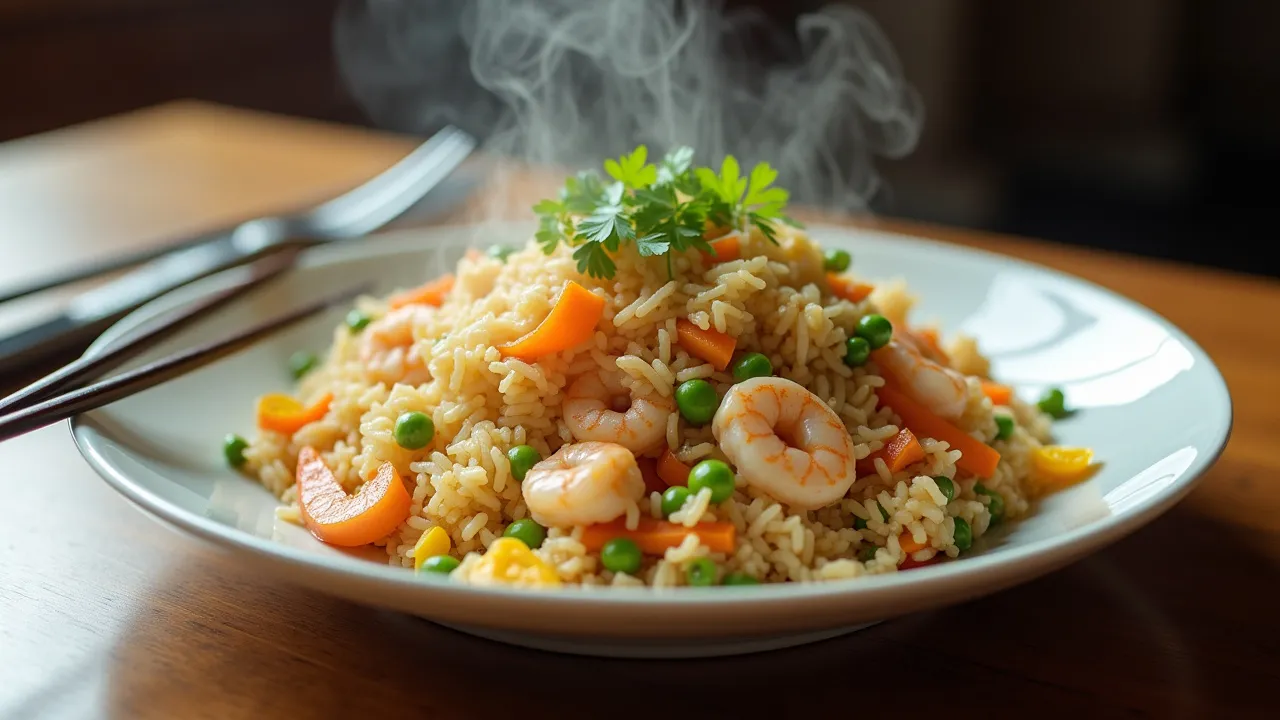
National Fried Rice Day is observed each year on September 20th. Celebrate the beloved comfort dish with global traditions, from street-stall wok hei to homemade leftovers.
The Historical Origins & Evolutionary Journey
National Fried Rice Day, celebrated annually on September 20th, honors one of the world's most versatile and beloved comfort foods. While the exact origins of the observance are murky—no single person or company claims definitive creation—the day likely emerged from the collective appreciation of food enthusiasts and the rise of food holidays in the early 2000s. The true history of fried rice itself stretches back over 1,500 years, and understanding this deep heritage is essential to appreciating the observance.
The Foundational Catalyst: Ancient China
Fried rice as a dish originated during the Sui dynasty (589–618 CE) in Yangzhou, China. The concept was simple yet revolutionary: stir-fry leftover rice with vegetables, meat, and seasonings to create a new meal without waste. The technique spread through China's culinary landscape, evolving into regional variations. The signature "wok hei" (breath of the wok) became a prized characteristic, achieved by high-heat cooking that imparts a smoky flavor.
From Yangzhou to the World
Yangzhou fried rice (扬州炒饭) is considered the archetype. It typically includes shrimp, ham, scallions, and peas, and is still celebrated as a classic. Chinese immigrants brought fried rice to the West during the 19th-century gold rushes and railroad construction. In the United States, Chinese restaurants modified the dish to suit local palates, adding soy sauce, eggs, and more meat. By the mid-20th century, fried rice became a staple of American Chinese cuisine.
The Legislative/Official Adoption of Fried Rice Day
Unlike federal holidays, National Fried Rice Day is not officially proclaimed by government bodies. It is recognized by food calendars, media outlets, and culinary institutions. The day gained traction through social media and food blogs, with home cooks and restaurants sharing their creations. In 2017, the day received a boost when major food brands and chains began promoting it, offering discounts and limited-time menus. Today, it is a grassroots celebration embraced globally.
Modern Global Legacy
National Fried Rice Day now symbolizes more than just a dish; it represents cultural exchange, sustainability (using leftovers), and culinary creativity. From Japanese chahan to Thai khao pad, each culture's version reflects local ingredients and tastes. The observance encourages people to explore these variations, share recipes, and appreciate the humble beginnings of a dish that unites kitchens worldwide.
How to Celebrate National Fried Rice Day
National Fried Rice Day offers endless opportunities for fun and flavor. Whether you're a seasoned chef or a novice, here are actionable ways to join the celebration.
For Individuals and Families
- Cook a classic recipe: Try Yangzhou fried rice using ham, shrimp, peas, and egg. Use day-old rice for the best texture.
- Explore global variations: Make Japanese chahan with soy sauce and sesame oil, Indonesian nasi goreng with kecap manis, or Thai khao pad with basil and chili.
- Leftover challenge: Use whatever vegetables and proteins you have in the fridge—fried rice is perfect for reducing food waste.
- Host a fried rice party: Invite friends or family to bring their own versions. Vote on the best one.
For Schools and Organizations
- Educational session: Teach the history of fried rice and cultural significance. Include a cooking demonstration or tasting.
- Community potluck: Organize a fried rice competition. Encourage diverse recipes representing different cuisines.
- Fundraiser: Sell portions of fried rice to raise money for a local food bank or charity.
Corporate and Social Rituals
- Office lunch: Order from a local Asian restaurant or hire a chef to make fresh fried rice.
- Social media challenge: Post your fried rice creation with the hashtag #NationalFriedRiceDay. Tag friends to participate.
- Cook-off events: Many cities host pop-up competitions. Check local event listings.
In different countries, traditions vary. In Indonesia, nasi goreng is often served with a fried egg and prawn crackers. In Thailand, khao pad is accompanied by cucumber slices and lime. In the United States, Chinese takeout fried rice is a favorite. No matter the style, the day is about joy, sharing, and deliciousness.
Global Variations of Fried Rice
Fried rice transcends borders. Each culture adds its own twist, making the dish a true global ambassador. Here are some of the most beloved variations.
Chinese Fried Rice (China)
The mother of all fried rice. Key types include Yangzhou (with ham and shrimp), egg fried rice (simple but elegant), and Fujian fried rice (with gravy). The use of day-old rice and high heat is essential.
Nasi Goreng (Indonesia/Malaysia)
Sweet and savory with kecap manis (sweet soy sauce), often served with a fried egg, acar (pickles), and kerupuk (crackers). Sambal adds heat.
Khao Pad (Thailand)
Flavored with fish sauce, lime, and chili. Common add-ins include crab, chicken, or shrimp. Served with cucumber slices and a wedge of lime.
Chahan (Japan)
Japanese-style fried rice, often made with soy sauce, sesame oil, and vegetables like carrot and green onion. Sometimes includes pork or crab.
Bokkeumbap (Korea)
Korean fried rice, often kimchi-based (kimchi bokkeumbap), topped with a fried egg and sesame seeds. Spicy and tangy.
Arroz Frito (Cuba & Latin America)
Influenced by Chinese immigrants, Cuban fried rice includes ham, shrimp, and vegetables, often served with black beans and plantains.
American Chinese Fried Rice
A staple of takeout menus, typically loaded with soy sauce, peas, carrots, egg, and choice of meat. Overly saucy versions are less common; authentic versions are drier.
These variations show how fried rice adapts to local ingredients and palates while maintaining its core identity as a stir-fried rice dish.
The Cultural Significance of Fried Rice
Fried rice is more than a meal; it embodies resourcefulness, community, and cultural fusion. Its origins in using leftovers highlight a philosophy of minimizing waste. In many Asian cultures, fried rice is a comfort food that evokes memories of home cooking and family gatherings.
Symbol of Adaptation
As Chinese immigrants settled worldwide, they adjusted fried rice to local tastes, demonstrating culinary flexibility. This adaptability made fried rice a bridge between cultures. In Peru, arroz chaufa blends Chinese techniques with Peruvian ingredients like aji amarillo. In Hawaii, fried rice is a staple at luaus, often with Spam or Portuguese sausage.
Social and Economic Role
Fried rice is a street food staple in many Asian countries, providing affordable and accessible meals. It's also a popular dish for large gatherings because it scales easily. In the diaspora, Chinese restaurants serving fried rice became community hubs.
Celebration of Diversity
National Fried Rice Day underscores the beauty of cultural exchange. By trying different versions, people gain appreciation for culinary traditions beyond their own. It's a day to celebrate unity through food.
Nutritional Aspects and Dietary Adaptations
While fried rice is often considered indulgent, it can be part of a balanced diet with mindful preparation.
Nutritional Profile
- Carbohydrates: Rice provides energy. Use brown rice for more fiber.
- Protein: Eggs, meat, tofu, or shrimp add protein.
- Vegetables: Peas, carrots, bell peppers, and onions provide vitamins.
- Fats: Oil is used for frying; choose heart-healthy oils like sesame or avocado oil.
Healthier Swaps
- Use brown rice or cauliflower rice to lower carbs.
- Reduce sodium by using low-sodium soy sauce or tamari.
- Increase vegetable-to-rice ratio.
- For vegan versions, use tofu or tempeh and skip eggs.
Common Allergens
Fried rice often contains soy (soy sauce) and eggs. Gluten-free soy sauce (tamari) is available. For shellfish allergies, avoid shrimp or use chicken instead.
National Fried Rice Day is a great opportunity to explore healthier versions without sacrificing taste.
Economic Impact and Industry Trends
The fried rice industry is part of the larger global rice and prepared food market. This section explores economic aspects.
Global Rice Production
Rice is a staple for over half the world's population. Fried rice contributes to demand for short- and long-grain varieties. Countries like China, India, and Thailand are major producers and consumers.
Restaurant and Takeout Sector
Fried rice is a menu staple in Asian restaurants worldwide. In the US, Chinese takeout remains popular, with fried rice as a top-selling item. The day boosts sales for many establishments offering specials.
Frozen and Packaged Fried Rice
Frozen fried rice products have grown in popularity, offering convenience. Brands like Lean Cuisine and Trader Joe's offer versions. The trend aligns with the rise of ready-to-eat meals amid busy lifestyles.
Social Media and Food Culture
National Fried Rice Day trends on platforms like Instagram and TikTok, with users sharing recipes and hacks. This user-generated content serves as free marketing for brands and restaurants.
Overall, the observance supports local businesses and promotes culinary creativity.
Historical Timeline
During the Sui dynasty, leftover rice is stir-fried in Yangzhou, China, creating the earliest known form of fried rice.
Chinese immigrants bring fried rice to the United States during the California Gold Rush. The dish adapts to American tastes.
First known Chinese restaurant in the US, the Canton Restaurant in San Francisco, serves fried rice on its menu.
American-style fried rice becomes a staple of Chinese takeout, often loaded with soy sauce and extra meat.
The term 'National Fried Rice Day' begins appearing in unofficial food holiday calendars, primarily online.
Major food brands and chain restaurants (such as P.F. Chang's) start promoting National Fried Rice Day with special offers, boosting recognition.
Amid the COVID-19 pandemic, home cooking spikes, and fried rice becomes a go-to comfort food, with social media trends like 'fried rice challenge' going viral.