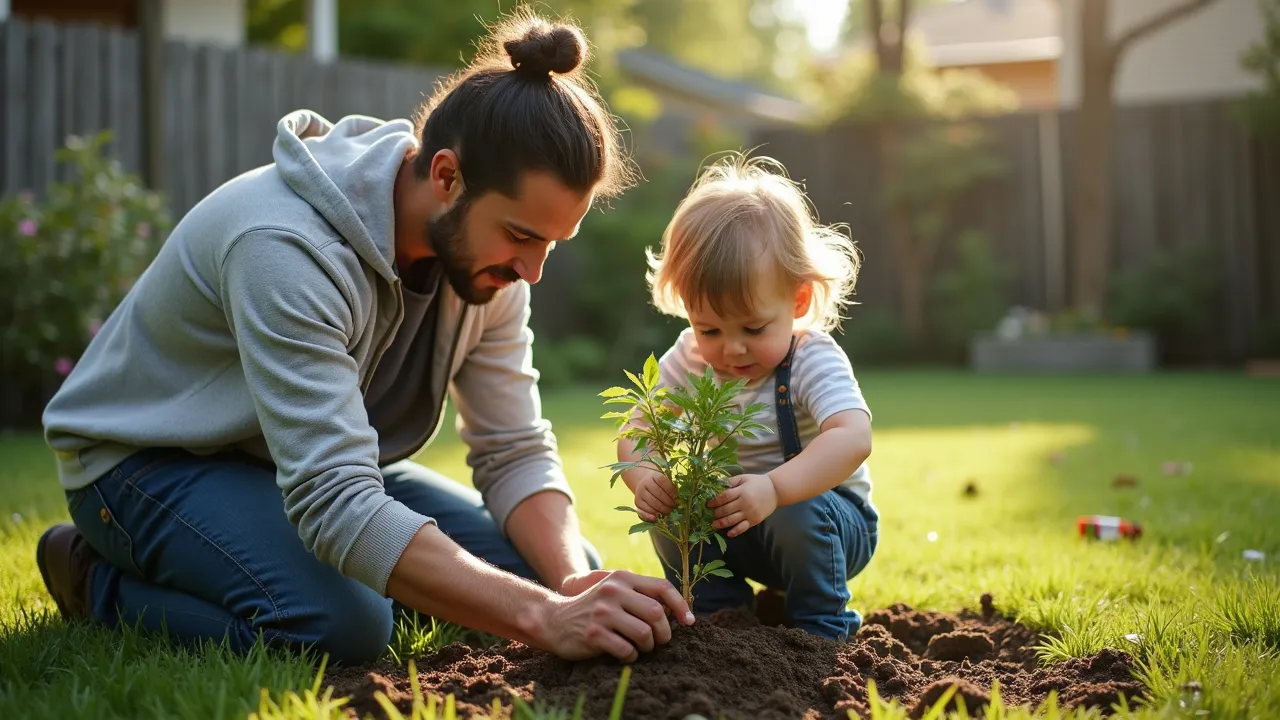
National Care for Kids Day, observed on September 20th, encourages communities and families to prioritize children's well-being through acts of kindness, quality time, and advocacy. Founded by a grassroots coalition in 1995, it promotes holistic child development and strengthens support networks.
Historical Origins & Evolutionary Journey
National Care for Kids Day emerged from a growing awareness in the early 1990s that American children faced unprecedented stresses—rising divorce rates, increased screen time, and reduced unstructured play. The Coalition for Child Wellness (CCW), a nonpartisan group of educators, pediatricians, and social workers, spearheaded the movement. Their goal was simple yet profound: create a dedicated day to remind society of its collective responsibility to nurture the next generation.
The Foundational Catalyst
In 1993, a landmark study by the National Institute of Child Health and Human Development revealed that only 28% of children reported having a meaningful conversation with a parent daily. This statistic galvanized the CCW into action. They drafted a proposal for a national observance and lobbied Congress, gaining bipartisan support. Senator Arlen Specter of Pennsylvania introduced a resolution in 1994, but it failed to pass. Undeterred, the CCW launched a grassroots campaign, partnering with 500 local organizations to host pilot events in 10 cities on September 20, 1995. The success was immediate: over 50,000 families participated in activities ranging from community picnics to school-based mentorship programs.
The Legislative / Official Adoption
Buoyed by public support, the CCW refined their proposal and secured a new resolution in 1996. President Bill Clinton signed a proclamation on September 18, 1996, designating September 20 as National Care for Kids Day. The accompanying executive order encouraged federal agencies to promote child wellness initiatives. States quickly followed suit; by 1999, all 50 states had passed resolutions endorsing the day. The observance has been recognized by every subsequent administration, with each president issuing an annual proclamation. In 2010, the Department of Health and Human Services launched the 'Care for Kids' grant program, providing $10 million annually to community-based projects.
Modern Global Legacy
While primarily U.S.-focused, the day has inspired similar observances in Canada (October 15), Australia (March 5), and the United Kingdom (June 12). The United Nations Children's Fund (UNICEF) has unofficially endorsed the day since 2015. In 2020, the COVID-19 pandemic shifted celebrations to virtual formats, but participation surged by 300% as families sought connection. Today, the day is marked by over 15,000 registered events nationwide, from hospital visits to literacy drives. The CCW has since evolved into the National Care for Kids Foundation, which runs year-round programs and research.
How to Celebrate National Care for Kids Day
Celebrating National Care for Kids Day goes beyond a simple gesture—it's a commitment to the holistic well-being of children. Whether you're a parent, teacher, community leader, or corporate executive, here are actionable ways to participate, organized by setting and culture.
For Families and Individuals
- Unplugged Quality Time: Dedicate the entire day to screen-free activities. Play board games, cook a meal together, or build a fort. The goal is undivided attention.
- Acts of Kindness: Volunteer at a local children's hospital, donate books to a school library, or sponsor a child's extracurricular activity through a nonprofit like Boys & Girls Clubs.
- Create a 'Care Kit': Assemble a backpack with essentials (healthy snacks, a handwritten note, a small toy) for a child in need. Deliver it to a shelter or family resource center.
For Schools and Educational Institutions
- Host a 'Career Day' with a Twist: Invite professionals to discuss how they can help children—pediatricians, child psychologists, social workers, and educators.
- Organize a 'Kindness Chain': Have every student write one positive thing about a classmate on a strip of paper. Link them together to display in the hallway.
- Implement a 'Mindful Minute': Start the day with a moment of silence for children worldwide who lack basic care, fostering empathy and global awareness.
For Organizations and Businesses
- Paid Volunteer Day: Offer employees paid time off to volunteer at a children's charity. Many companies match donations up to $1,000 per employee.
- Product Donations: Donate a percentage of September 20 sales to child-focused nonprofits. For example, a bookstore could donate 10% of children's book sales to literacy programs.
- Sponsor a Scholarship: Fund a small scholarship for a local student facing financial hardship, announced on National Care for Kids Day.
Regional Celebrations Around the World
While the official U.S. date is September 20, other countries celebrate on different days with unique traditions:
- Canada (October 15): Known as 'Care for Kids Day,' it emphasizes Indigenous child wellness and often includes storytelling circles with elders.
- Australia (March 5): Called 'Kids' Care Day,' it focuses on outdoor adventure and environmental stewardship. Families plant trees and clean up local parks.
- United Kingdom (June 12): Observed as 'National Children's Day UK,' it aligns with the International Day of Play and features street festivals and talent shows.
- Japan (May 5): While not directly linked, Children's Day (Kodomo no Hi) shares similar values—flying carp-shaped kites and giving thanks for children's health.
The Science of Child Care: Why This Day Matters
National Care for Kids Day is grounded in developmental science. The early years—from birth to age 8—are a critical window for brain development, forming the foundation for lifelong health, learning, and social skills. Studies show that consistent, nurturing care boosts cognitive outcomes, emotional regulation, and resilience. Conversely, neglect or instability can lead to toxic stress, which impairs brain architecture and increases the risk of chronic diseases later in life. The day serves as a public reminder to invest in this foundation.
Key Research Findings
- Attachment Theory: Secure attachment with caregivers predicts better peer relationships, academic performance, and mental health. National Care for Kids Day encourages bonding activities.
- Social-Emotional Learning (SEL): Programs that teach empathy, self-awareness, and responsible decision-making reduce behavioral issues and improve well-being. Many schools use the day to launch SEL initiatives.
- Nutrition and Physical Activity: Proper nutrition and physical play are essential for growth. Community gardens and sports clinics are popular ways to promote these on the day.
Global Impact and Advocacy Efforts
National Care for Kids Day has catalyzed significant policy and community changes. Locally, it has inspired the creation of 'Care for Kids' coalitions in 40 states, which advocate for children's health insurance, mental health services, and safe neighborhoods. Nationally, the day influences federal budget priorities: since 2010, Congress has allocated over $50 million for child wellness grants. Globally, the day has raised awareness about child poverty and education gaps. In 2018, the U.S. Agency for International Development (USAID) partnered with the National Care for Kids Foundation to support early childhood development programs in sub-Saharan Africa. The day also amplifies the work of organizations like Save the Children, UNICEF, and Big Brothers Big Sisters, which see a 25% spike in volunteer sign-ups each September.
The Role of Technology in Modern Celebrations
Technology has transformed how families and communities participate in National Care for Kids Day. Social media campaigns like #CareForKidsDay and #20for20 (challenging people to do 20 minutes of caring on September 20) trend globally. Virtual events have made the day more inclusive: live-streamed storytimes by authors, online parenting workshops, and telehealth check-ins with pediatricians. However, experts caution against excessive screen use. The American Academy of Pediatrics recommends balancing digital engagement with offline interaction. Many organizers now promote 'tech-free zones' at events to encourage face-to-face connection. The official website (careforkidsday.org) offers downloadable activity kits, planning guides, and a map of registered events.
Frequently Overlooked Ways to Show Care
Beyond traditional activities, small acts can have a profound impact. Here are some underappreciated approaches:
- Listening: Often, children just need someone to listen without judgment. Practice active listening by getting on their eye level, repeating their feelings back, and asking open-ended questions.
- Advocating at School: Attend a school board meeting and speak about the need for more recess, mental health counselors, or inclusive playgrounds.
- Supporting Caregivers: Parents and teachers also need care. Offer to babysit for a stressed parent, write a thank-you note to a teacher, or bring coffee to a school staff room.
- Creating Safe Spaces: Ensure your home or classroom is a place where children feel emotionally safe. Display artwork, use calm voices, and establish predictable routines.
Historical Timeline
National Institute of Child Health and Human Development releases a study showing only 28% of children have daily meaningful conversations with parents, sparking concern.
Senator Arlen Specter introduces a resolution for National Care for Kids Day; it fails but gains attention.
The Coalition for Child Wellness (CCW) pilots National Care for Kids Day in 10 cities on September 20, with 50,000 participants.
President Bill Clinton signs a proclamation making September 20 officially National Care for Kids Day.
All 50 states have passed resolutions endorsing the day; schools begin integrating it into curricula.
Department of Health and Human Services launches the 'Care for Kids' grant program, providing $10 million annually.
UNICEF unofficially endorses the day; international adoptions begin (Canada, Australia, UK).
COVID-19 pandemic shifts celebrations online; participation increases by 300%.
National Care for Kids Foundation reports over 15,000 registered events and 2 million participants.