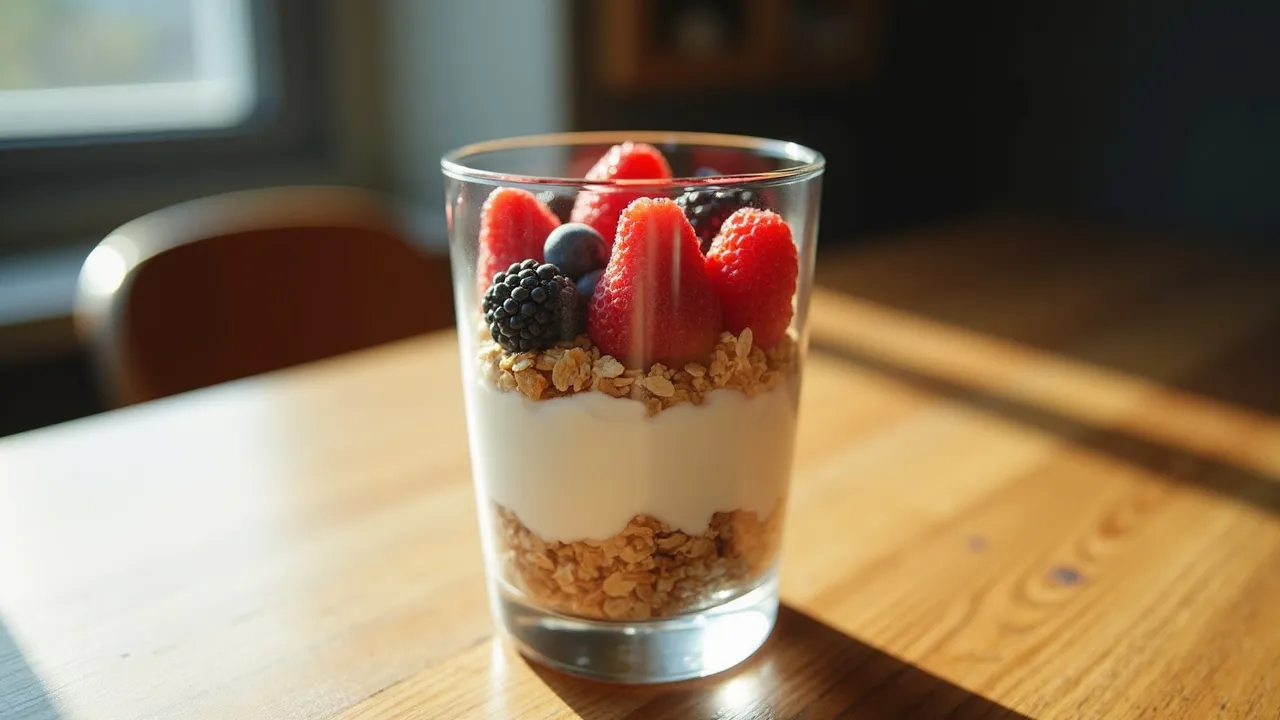
National Parfait Awareness Day on November 25th celebrates the layered dessert's rich history, nutritional value, and cultural significance. Join parfait enthusiasts in honoring this versatile treat with creative recipes and community events.
The Historical Origins & Evolutionary Journey
National Parfait Awareness Day, observed annually on November 25th, honors a dessert that has evolved from a French delicacy into a global symbol of layered indulgence and healthy eating. The word 'parfait' itself means 'perfect' in French, and the dessert truly lives up to its name. This section delves into the rich history of parfait, tracing its origins from 19th-century France to its modern-day variations.
The Foundational Catalyst
The original parfait was a frozen French dessert made from cream, sugar, and eggs, often flavored with coffee or chocolate. It appeared in French cookbooks in the 1890s, a time when frozen desserts were becoming popular among the aristocracy. The early parfait was served in tall, narrow glasses, a tradition that persists today. The dessert crossed the Atlantic in the early 20th century, where American chefs adapted it by substituting ice cream for the cream base and adding layers of fruit, nuts, and syrups.
The Legislative/Official Adoption
While there is no official government proclamation for National Parfait Awareness Day, it is widely recognized as a food holiday promoted by culinary organizations and dessert enthusiasts. The exact year of its founding is unclear, but it gained traction in the early 2000s through social media and food blogs. The day is now listed on numerous food holiday calendars and celebrated with special promotions at cafes and restaurants across the United States.
Modern Global Legacy
Today, the parfait has transcended its French roots to become a global phenomenon. In Japan, parfaits are elaborate creations with mochi, matcha, and red bean paste. In the Middle East, they feature rose water and pistachios. The health-conscious movement has also adopted the parfait as a vehicle for yogurt, granola, and fresh fruit, making it a staple in breakfast and smoothie bowls. National Parfait Awareness Day celebrates this diversity, encouraging people to explore both classic and innovative recipes.
How to Celebrate National Parfait Awareness Day
National Parfait Awareness Day offers a delicious opportunity to honor the layered dessert in creative and meaningful ways. Whether you're a home cook, a professional chef, or simply a parfait enthusiast, there are countless ways to participate. Below are structured guides for individuals, schools, and organizations.
For Individuals
- Create a DIY Parfait Bar: Gather ingredients like yogurt, granola, fresh fruits, nuts, seeds, and syrups. Layer them in a glass and experiment with flavors. Share your creation on social media with the hashtag #ParfaitAwarenessDay.
- Host a Parfait Tasting Party: Invite friends to bring their own parfait creations. Vote on the best combination and share recipes.
- Try a Global Parfait Recipe: Explore international variations, such as a French classic with custard and caramel, or a Japanese parfait with green tea ice cream and mochi.
For Schools
- Nutrition Education Lesson: Teach students about the health benefits of parfait ingredients—protein from yogurt, fiber from granola, and vitamins from fruit. Have them build their own parfaits as a hands-on activity.
- Cultural Exchange Project: Assign students to research parfait traditions from different countries and present their findings alongside a tasting.
For Organizations
- Office Parfait Day: Provide a parfait bar in the break room to boost employee morale. Include options for dietary restrictions (vegan, gluten-free).
- Charity Partnership: Partner with a local food bank or nutrition program. For every parfait sold at your cafe or restaurant, donate a portion to fight hunger.
Remember, the key is to celebrate responsibly—enjoy parfaits in moderation and focus on high-quality, fresh ingredients.
Global Impact and Regional Variations
While National Parfait Awareness Day is primarily observed in the United States, the parfait itself has inspired unique adaptations worldwide. This section explores regional variations and their cultural significance.
United States
In the US, parfaits are often associated with fast-food chains and diners, where they appear as layered yogurt and fruit cups. However, artisanal versions use Greek yogurt, house-made granola, and seasonal berries. Breakfast parfaits are a common offering at cafes and smoothie bars.France
The original French parfait remains a frozen dessert made with a custard base of eggs, cream, and sugar, often flavored with coffee, chocolate, or fruit purees. It is typically served in elegant stemware and reserved for special occasions.Japan
Japanese parfaits, known as 'parfe', are elaborate desserts sold in specialty cafes. They feature layers of sponge cake, ice cream, whipped cream, fresh fruit, and toppings like mochi, kinako (roasted soybean flour), and matcha syrup. They are often garnished with wafer cookies and a cherry on top.Middle East
In countries like Lebanon and Turkey, parfaits incorporate local flavors such as rose water, orange blossom, pistachios, and shredded phyllo dough (kataifi). Yogurt-based parfaits are popular for breakfast, often topped with honey and dried fruits.Australia and New Zealand
Parfaits are commonly made with pavlova-style meringue, passionfruit, and cream, reflecting the region's love for meringue-based desserts.Health-Conscious Movements
The global rise of health and wellness has transformed the parfait into a nutritious meal. Acai bowls, smoothie bowls, and chia pudding parfaits are popular in health food circles, often loaded with superfoods like goji berries, cacao nibs, and spirulina.Nutritional Profile and Health Benefits
A well-constructed parfait can be a balanced meal or snack, offering a mix of macronutrients and micronutrients. This section breaks down the typical nutritional components and their health benefits.
Core Ingredients and Their Benefits
- Yogurt: Rich in protein, calcium, and probiotics, which support gut health. Greek yogurt is especially high in protein.
- Granola: Provides fiber, whole grains, and healthy fats from nuts and seeds. Look for low-sugar options to maximize benefits.
- Fresh Fruit: Berries, bananas, and stone fruits supply vitamins (C, A), antioxidants, and natural sweetness. Berries are low in sugar and high in fiber.
- Nuts and Seeds: Almonds, walnuts, chia seeds, and flaxseeds add crunch, healthy fats, and omega-3 fatty acids.
Caloric and Macronutrient Considerations
A typical parfait (1 cup) ranges from 250 to 400 calories, depending on ingredients. It can be tailored to fit various dietary needs: vegan (use coconut yogurt), gluten-free (choose certified gluten-free granola), or low-sugar (skip syrups and use fresh fruit). Parfaits are excellent for post-workout recovery due to their protein and carbohydrate content.
Potential Pitfalls
Store-bought parfaits often contain added sugars, artificial flavors, and preservatives. On National Parfait Awareness Day, encourage homemade versions to control ingredient quality. Also, be mindful of portion sizes—while parfaits are healthy, oversized portions can lead to excessive calorie intake.
Parfait in Popular Culture
Parfaits have made their mark in movies, television, and literature, often symbolizing indulgence, creativity, or nostalgia. This section highlights key appearances and their impact.
Film and Television
- 'Friends' (1994-2004): In the episode 'The One with the Baby Shower', Monica makes a parfait that becomes a running joke—Rachel says, 'It's a parfait! Everybody loves parfait!' This line cemented the dessert's popularity in 1990s pop culture.
- 'The Simpsons': In 'Lisa's Rival', Ralph Wiggum describes a parfait as 'a dessert that's all about layers', which became a meme.
- 'Mean Girls' (2004): The iconic scene where the Plastics eat lunch in the cafeteria includes a parfait, reflecting its status as a trendy, girly treat.
Literature
Parfaits appear in children's books like 'If You Give a Mouse a Cookie' (where the mouse wants a parfait) and in food memoirs like 'Julie & Julia' where Julie Powell attempts a classic French parfait.Social Media
On platforms like Instagram and TikTok, #parfait boasts millions of posts, with food influencers creating visually stunning layers. The hashtag #ParfaitAwarenessDay trends annually on November 25th, with users sharing their homemade creations.Future of Parfait Awareness
As food culture evolves, so does National Parfait Awareness Day. This section explores emerging trends and predictions for the observance.
Sustainability and Ethical Sourcing
Future celebrations will likely emphasize locally sourced, organic ingredients and eco-friendly packaging. Parfait bars at events may feature compostable cups and utensils.Technology Integration
Augmented reality (AR) parfait designing apps could allow users to visualize layers before creating them. Virtual parfait-making workshops may become popular for remote celebrations.Health and Dietary Innovations
Plant-based parfaits will continue to rise, using cashew or soy yogurt. Functional ingredients like adaptogens, collagen, and protein powders will be incorporated for health-conscious consumers.Global Expansion
Efforts to officially recognize the day internationally may grow, with parfait festivals in cities like Paris, Tokyo, and New York. Educational partnerships with culinary schools could teach the art of parfait making.Community and Charity
The day could evolve into a fundraising platform for nutrition programs, with 'Parfait for a Cause' events donating proceeds to fight food insecurity. This aligns with the dessert's inherent message of sharing abundance.Historical Timeline
The first recorded parfait recipes appear in French cookbooks, describing a frozen dessert made with cream, sugar, and eggs.
Parfaits cross the Atlantic to America, where they are adapted with ice cream and layered with fruits and syrups, becoming a popular soda fountain treat.
Fast-food chains begin offering parfaits as a dessert option, and the breakfast parfait (yogurt, granola, fruit) emerges as a health trend.
Gourmet parfaits appear in fine dining, featuring elaborate presentations and premium ingredients like Belgian chocolate and fresh raspberries.
National Parfait Awareness Day is first observed, likely promoted by food bloggers and culinary websites, gaining traction as a food holiday on November 25th.
Social media platforms like Instagram and Pinterest fuel the parfait's popularity, with #parfait becoming a top food hashtag. The day is widely recognized in the US.
During the COVID-19 pandemic, virtual parfait-making workshops and home celebrations boost the day's visibility, with families creating parfaits together.