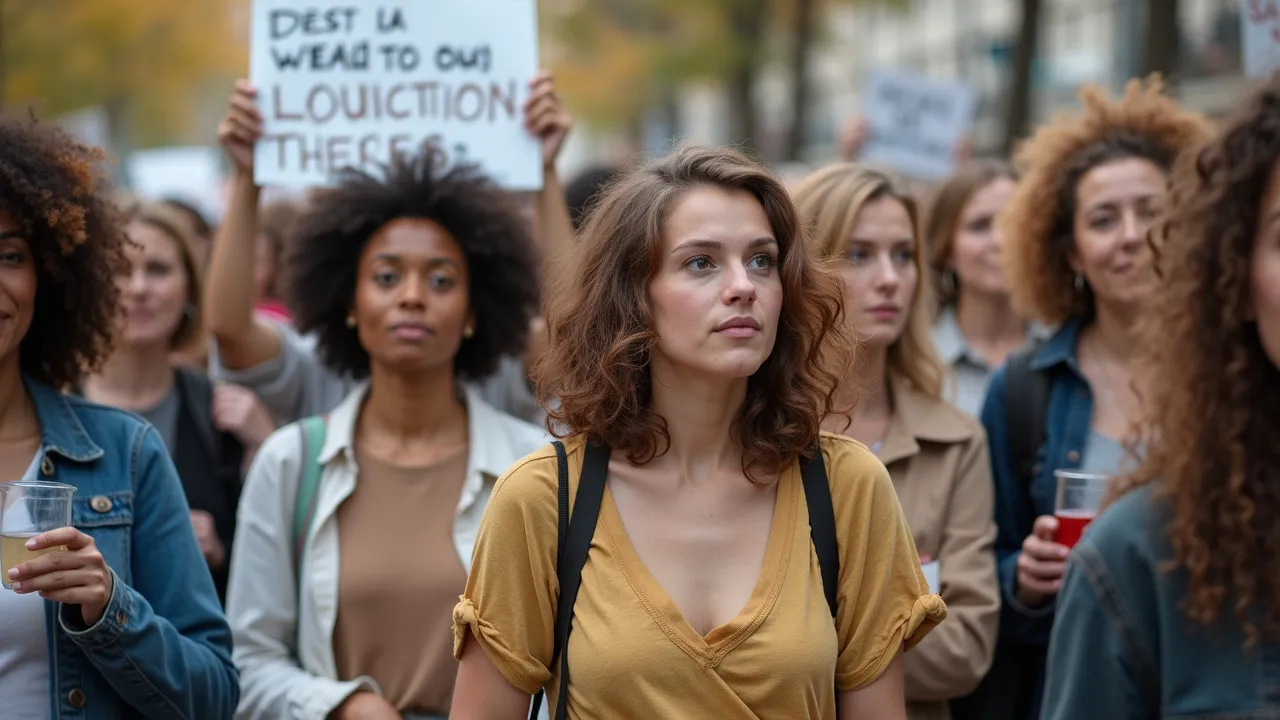
Observed annually on November 25th, this UN-designated day raises awareness and calls for action to end violence against women and girls worldwide. It marks the start of the 16 Days of Activism against Gender-Based Violence, culminating on Human Rights Day.
Historical Origins & Evolutionary Journey
The International Day for the Elimination of Violence Against Women was born from decades of activism and tragedy. Its roots trace back to the brutal 1960 assassination of the Mirabal sisters—Patria, Minerva, and María Teresa—under the dictatorship of Rafael Trujillo in the Dominican Republic. These three women, known as Las Mariposas (The Butterflies), were political activists who opposed the regime. Their murder sparked outrage and became a symbol of resistance against gender-based oppression.
The Foundational Catalyst: The Mirabal Sisters
In 1981, at the first Feminist Encuentro for Latin America and the Caribbean held in Bogotá, Colombia, women's rights activists proposed November 25th as a day to commemorate the Mirabal sisters and raise awareness of violence against women. The date was chosen to honor their legacy and to protest against systematic abuse. For nearly two decades, the day was observed informally by grassroots organizations across the globe.
United Nations Adoption
On December 17, 1999, the United Nations General Assembly adopted Resolution 54/134, officially designating November 25th as the International Day for the Elimination of Violence Against Women. The resolution invited governments, international organizations, and NGOs to organize activities to raise public awareness of the problem. This formal recognition amplified the movement, aligning it with broader human rights frameworks.
Modern Global Legacy
Since its official adoption, the day has evolved into a cornerstone of global activism. It now marks the beginning of the 16 Days of Activism against Gender-Based Violence, a campaign that runs until Human Rights Day on December 10th. The UNiTE to End Violence against Women campaign, launched in 2008, uses the color orange as a symbol of a brighter future free from violence. Landmark events like the #MeToo movement (2017) and the global outcry following the murder of women in conflict zones have further galvanized support. Today, the day serves as a rallying point for survivors, advocates, and policymakers to demand accountability and systemic change.
How to Celebrate International Day for the Elimination of Violence Against Women
Participation in this observance can take many forms, from individual actions to large-scale organizational campaigns. Below are actionable strategies that align with the day's mission.
- Educate Yourself and Others: Read about the root causes of gender-based violence, such as patriarchy, economic inequality, and discriminatory laws. Share resources on social media using the official hashtag #EndViolenceAgainstWomen.
- Attend or Organize Events: Many communities host marches, panel discussions, film screenings, and workshops. If none exist, consider starting a virtual webinar or a local candlelight vigil.
- Support Survivor-Led Organizations: Donate to local shelters, hotlines, and legal aid groups. Examples include the National Domestic Violence Hotline (US) or UN Women's Trust Fund.
- Wear Orange: The UNiTE campaign encourages wearing orange on November 25th to show solidarity and spark conversations.
- Advocate for Policy Change: Write to elected officials urging them to ratify or enforce laws like the Istanbul Convention or the Violence Against Women Act (US). Use petitions and letter-writing campaigns.
- Engage Men and Boys: Host discussions on toxic masculinity and allyship. Programs like HeForShe and White Ribbon Campaign provide toolkits.
Celebration Dynamics Across Countries
- Latin America: In the Dominican Republic, the Mirabal sisters are honored with parades and museum visits. In Mexico, the day coincides with the Ni Una Menos (Not One Less) movement.
- Europe: France lights up landmarks in orange. Italy holds public rallies in Rome and Milan.
- Africa: In South Africa, the 16 Days of Activism includes community dialogues and school outreach. Kenya hosts the Safe Schools program.
- Asia: India organizes campus awareness drives and self-defense workshops. The Philippines holds a Purple Ribbon campaign.
- Middle East: Turkey hosts conferences on legal reforms, while Jordan runs helpline awareness campaigns.
Global Impact and Statistics
Violence against women and girls (VAWG) remains one of the most widespread human rights violations globally. According to the World Health Organization, about 1 in 3 women (approximately 736 million) have experienced physical or sexual intimate partner violence or non-partner sexual violence in their lifetime. The COVID-19 pandemic exacerbated the crisis, with reports of domestic violence cases surging by 20% to 30% in many countries.
Economic Costs
The World Bank estimates that VAWG costs the global economy approximately 1.5 trillion USD annually in lost productivity, healthcare, legal fees, and societal damage. In the European Union, the cost is estimated at 225 billion euros per year. These figures underscore the urgency of prevention and intervention.
Regional Disparities
- Sub-Saharan Africa: The highest prevalence of intimate partner violence (33%).
- South Asia: 37% of women report violence, often rooted in dowry practices and child marriage.
- North America: 1 in 4 women experience severe intimate partner violence; Indigenous women face disproportionately higher rates.
The day serves as a catalyst for data collection, policy reform, and funding. UN Women's Safe Cities and Safe Public Spaces program, for example, has reached over 50 cities worldwide to improve safety for women.
Legislative Frameworks and International Agreements
Progress in ending violence against women relies on robust legal frameworks. Key international instruments include:
- Convention on the Elimination of All Forms of Discrimination against Women (CEDAW 1979): Often called the international bill of rights for women, it obligates states to eliminate discrimination and violence.
- Declaration on the Elimination of Violence against Women (1993): Adopted by the UN General Assembly, it defines violence and sets standards for state action.
- Beijing Declaration and Platform for Action (1995): Identifies 12 critical areas, including violence against women, and calls for comprehensive strategies.
- Istanbul Convention (2011): The Council of Europe's treaty specifically targeting domestic violence against women, with binding obligations on prevention, protection, and prosecution.
National Legislation Examples
Countries like Spain (2004 Organic Law on Gender Violence), South Africa (Domestic Violence Act 1998), and India (Protection of Women from Domestic Violence Act 2005) have enacted specific laws. However, implementation gaps, police bias, and cultural norms often hinder effectiveness. The day highlights the need for survivor-centered justice systems and increased funding for legal aid.
The 16 Days of Activism Against Gender-Based Violence
The International Day for the Elimination of Violence Against Women kicks off the 16 Days of Activism, a global campaign that runs from November 25th to December 10th (Human Rights Day). This period was chosen to link violence against women to human rights, emphasizing that women's rights are human rights.
Campaign Themes
Each year, the UNiTE campaign selects a theme. For example, in 2023, the theme was UNiTE! Invest to Prevent Violence against Women. The campaign encourages governments and institutions to allocate resources for prevention.
Actions During the 16 Days
- Orange the World: Landmarks such as the Empire State Building, Sydney Opera House, and the Eiffel Tower are lit in orange.
- Social Media Advocacy: Use hashtags like #16Days, #OrangeTheWorld, and #EndVAW.
- Local Campaigns: Many organizations run 16-day challenges with daily actions, from donating to learning about consent.
The campaign mobilizes millions globally, creating a sustained push for change beyond a single day.
Challenges and the Path Forward
Despite decades of activism, violence against women remains pervasive. Key challenges include:
- Underreporting: Fear, stigma, and lack of trust in authorities prevent many women from seeking help. Fewer than 40% of victims report violence or seek help.
- Conflict Zones: Sexual violence is used as a weapon of war in countries like Ukraine, Democratic Republic of Congo, and Myanmar.
- Technology-Facilitated Violence: Online harassment, doxxing, and non-consensual image sharing have risen with digitalization.
- Backlash and Funding Gaps: Anti-gender movements and shrinking civic space threaten progress. The UN Trust Fund to End Violence against Women receives only a fraction of the needed resources.
Strategies for Change
Effective solutions require multi-sectoral approaches: primary prevention through education on gender equality; legal reforms to criminalize all forms of violence; survivor services including shelters and hotlines; and data collection for evidence-based policies. The day serves as a reminder that eliminating violence is possible, as seen in countries like Iceland and Sweden where strong laws and cultural shifts have reduced incidence. The path forward demands sustained political will, community engagement, and the empowerment of women and girls everywhere.
Historical Timeline
The Mirabal sisters are assassinated on November 25th in the Dominican Republic under Trujillo's dictatorship, becoming symbols of resistance against gender-based violence.
At the First Feminist Encuentro in Bogotá, Colombia, women's activists declare November 25th as a day to protest violence against women, honoring the Mirabal sisters.
The United Nations General Assembly adopts the Declaration on the Elimination of Violence against Women, defining violence and setting standards for state action.
The Beijing Declaration and Platform for Action is adopted, emphasizing violence against women as a critical area of concern.
The UN General Assembly officially designates November 25th as the International Day for the Elimination of Violence Against Women (Resolution 54/134).
Spain passes the Organic Law on Gender Violence, a comprehensive legislation against intimate partner violence.
UN Secretary-General launches the UNiTE to End Violence against Women campaign, with the orange color symbol as a global emblem.
The Council of Europe opens the Istanbul Convention, the first legally binding treaty on preventing and combating violence against women.
The #MeToo movement goes viral, exposing widespread sexual harassment and assault, and sparking global conversations about violence against women.
The COVID-19 pandemic leads to a surge in domestic violence reports worldwide, prompting the UN to call for urgent measures and increased funding for shelters.
The UNiTE campaign theme 'UNiTE! Invest to Prevent Violence against Women' emphasizes the need for financial resources for prevention programs.