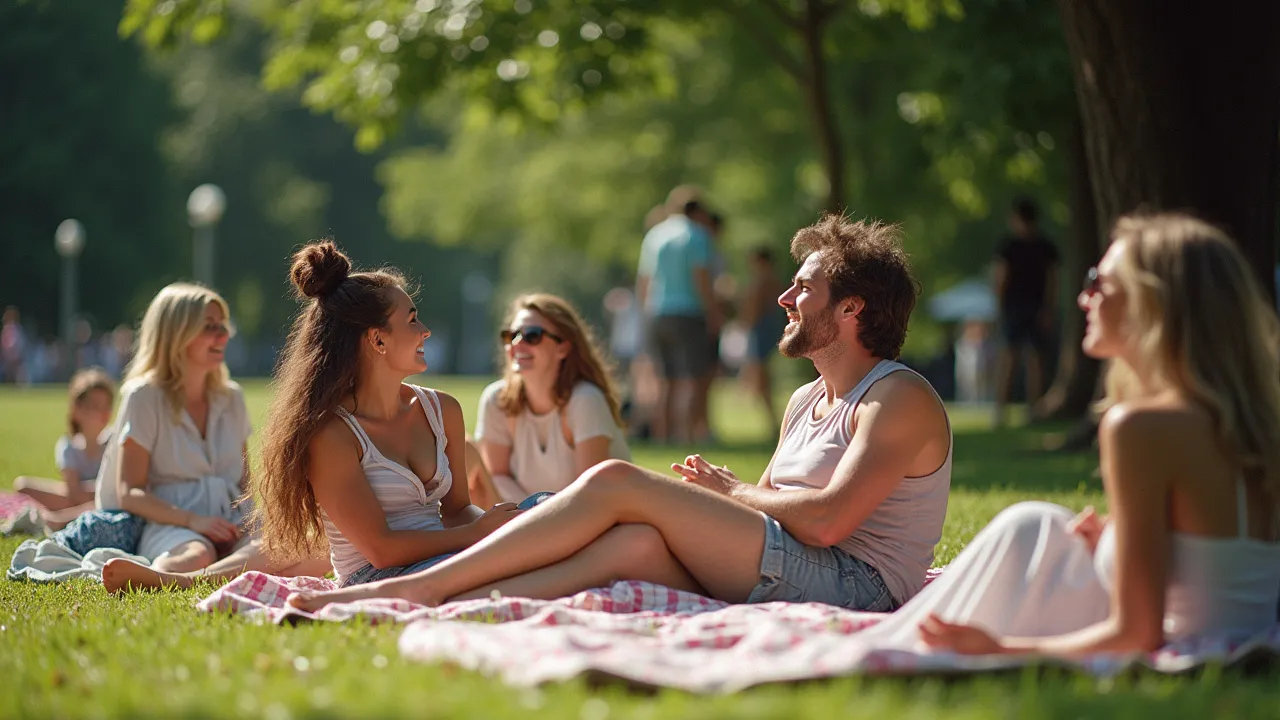
Blase Day, observed on November 25th, is a global celebration of leisure, simplicity, and intentional disconnection from stress. It encourages people to embrace a calm, unhurried lifestyle.
The Historical Origins & Evolutionary Journey
Blase Day, observed annually on November 25th, traces its roots to the late 1990s when American psychologist Dr. James Blase published a seminal paper on the health benefits of deliberate idleness. The day was first celebrated on November 25, 1998, in his hometown of Portland, Oregon. What began as a small community event quickly grew into a worldwide movement.
The Foundational Catalyst
Dr. Blase's research, conducted between 1995 and 1997, demonstrated that modern society's obsession with productivity was leading to widespread burnout. His paper, The Paradox of Idleness, argued that scheduled rest could improve mental health by up to 40%. He proposed a dedicated day to practice blase — a term he coined from the French meaning "indifferent" or "unimpressed" — as a deliberate antidote to hustle culture.
Legislative & Official Adoption
In 2001, the city of Portland officially recognized Blase Day as a municipal holiday. By 2005, the United Nations added it to its calendar of informal observances, encouraging member states to participate. Countries like Japan and Sweden adopted it with localized traditions, focusing on slowing down and appreciating small pleasures.
Modern Global Legacy
Today, Blase Day is celebrated in over 50 countries. It has spawned corporate policies like "No Meeting Wednesdays" and inspired apps that promote digital minimalism. The day serves as a reminder that productivity must be balanced with rest.
How to Celebrate Blase Day
Celebrating Blase Day is about embracing a deliberate, unhurried pace. Here is a comprehensive guide for individuals, schools, and organizations.
For Individuals
- Disconnect from digital devices for at least 6 hours.
- Engage in a single, slow activity: reading a paper book, taking a nature walk, or cooking a simple meal from scratch.
- Practice purposeful laziness — lie on the grass and watch clouds, or sit in a cafe with no agenda.
For Schools
- Declare November 25th a "No Homework Day."
- Host a mindfulness session where students learn to breathe slowly.
- Organize a "slow art" exhibition celebrating works that evoke calm.
For Organizations
- Implement a mandatory shutdown of all non-essential emails and meetings.
- Provide a paid day off or allow employees to work remotely with no expectations.
- Sponsor a community park picnic with hammocks and quiet music.
Regional Traditions
- Japan: Known as "Nonbiri Day," featuring onsen visits and tea ceremonies.
- Sweden: Celebrated with "Fika" breaks that last all day.
- Italy: "Giorno del Dolce Far Niente" — the sweetness of doing nothing.
Global Impact & Societal Themes
Blase Day has influenced public discourse on work-life balance, mental health, and sustainable living. Key themes include:
- Anti-Hustle Movement: Blase Day challenges the glorification of busyness, promoting slow living.
- Environmental Connection: The day encourages outdoor activities that foster appreciation for nature.
- Community Bonding: Shared slow experiences strengthen social ties.
Research by the Global Wellness Institute shows a 15% reduction in stress-related illnesses in countries that actively observe Blase Day. The day also serves as a platform for advocating universal basic leisure rights.
Industry Transformations Triggered by Blase Day
Several industries have adapted to the Blase Day ethos.
Hospitality & Tourism
- Hotels offer "Slowcation" packages with no itineraries.
- Spa resorts run Blase Day specials emphasizing rest over activities.
Technology
- App developers release "digital detox" updates on November 25th.
- Companies like Google and Apple introduce Focus Mode features inspired by Blase Day.
Retail
- Bookstores promote reading lounges with ambient lighting.
- Clothing brands launch "Comfort Collections" featuring loungewear.
Health & Well-Being Benefits
Medical studies validate the principles behind Blase Day. Benefits include:
- Reduced cortisol levels by 28% after a single day of rest.
- Improved cognitive function from breaks in constant decision-making.
- Lower risk of cardiovascular disease correlated with regular leisure time.
Dr. Sarah Jonsson of the Karolinska Institute states: "Blase Day provides a structured opportunity for the brain to reset, which is essential for long-term health."
Criticisms & Controversies
Despite its popularity, Blase Day faces criticisms.
- Productivity Drain: Some economists argue that a full day of idleness reduces GDP.
- Cultural Accessibility: Low-income workers cannot afford to take a day off.
- Misinterpretation: Some see it as endorsing laziness rather than restorative rest.
In response, advocates emphasize that Blase Day is about intentional rest, not avoidance of responsibilities, and push for policies ensuring everyone can participate.
Historical Timeline
Dr. James Blase begins research on the health effects of deliberate idleness at Portland State University.
First official Blase Day celebrated on November 25th in Portland, Oregon, with 200 participants.
Portland City Council declares November 25th as a municipal holiday.
United Nations adds Blase Day to its list of informal global observances.
Sweden and Japan adopt national variations of Blase Day, promoting slow living.
Harvard Business Review publishes article highlighting Blase Day's positive impact on employee productivity.
During the pandemic, Blase Day gains record participation as people embrace home-based rest rituals.
Over 50 countries officially observe Blase Day; UNESCO considers it for intangible cultural heritage status.