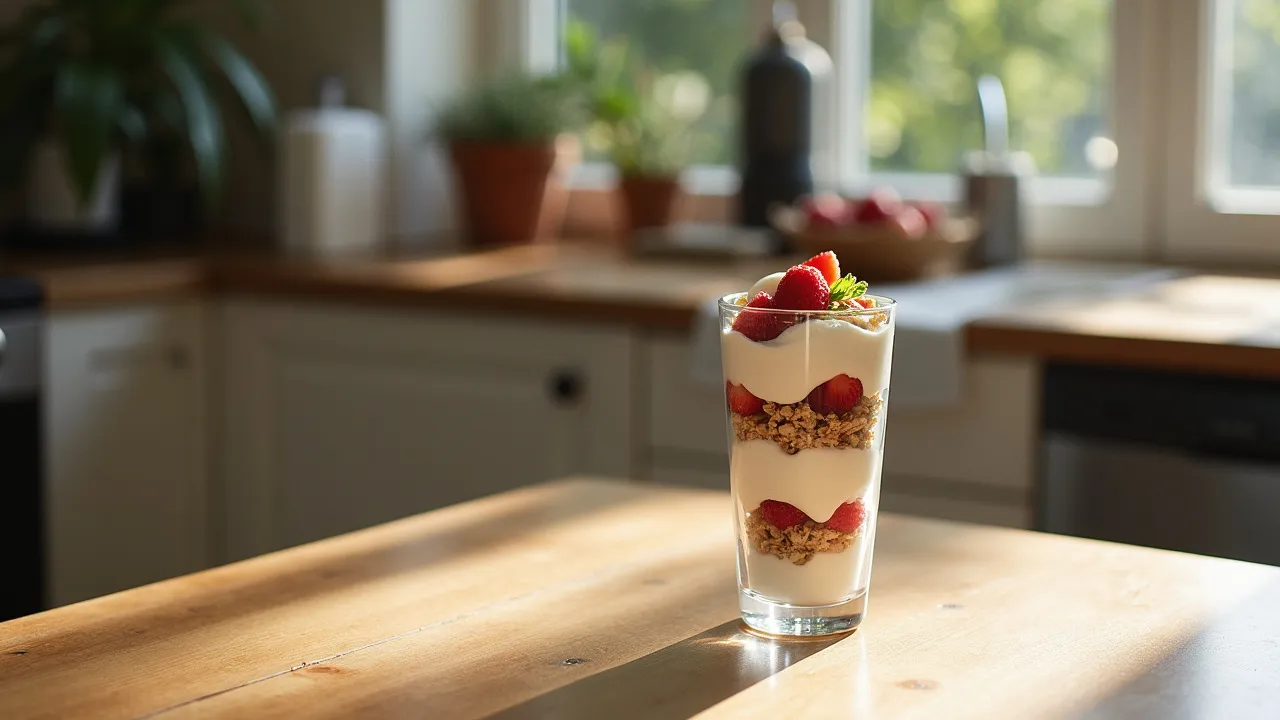
National Parfait Day, observed annually on November 25th, celebrates the iconic layered dessert enjoyed worldwide. Discover its rich history, diverse recipes, and fun ways to indulge in this creamy, customizable treat.
The Historical Origins & Evolutionary Journey
National Parfait Day, celebrated on November 25th, honors a dessert that has evolved significantly over centuries. The word 'parfait' is French for 'perfect,' originally referring to a frozen dessert made from egg yolks, sugar, and cream. However, the modern American parfait—layered in a tall glass with yogurt, fruit, and granola—is a far cry from its French ancestor.
The Foundational Catalyst
The French parfait emerged in the late 19th century as a rich, frozen treat. It was served in small, elegant glasses and required careful preparation. French chefs crafted it as a sophisticated alternative to ice cream, using a custard base that was churned slowly to achieve a smooth, creamy texture. This original parfait was a symbol of culinary artistry, appearing in fine dining establishments across Paris.
As French cuisine spread globally, the parfait crossed the Atlantic to the United States. American cooks began experimenting with the concept, replacing the labor-intensive custard with simpler ingredients. By the mid-20th century, the parfait had transformed into a layered dessert featuring gelatin, whipped cream, and fruit. The iconic parfait glass—tall, narrow, and stemmed—became a staple in American diners and households.
The Legislative/Official Adoption
Unlike many other food holidays, National Parfait Day does not have a documented founder or official legislative recognition. It appears to have originated as a grassroots observance promoted by dessert enthusiasts and food bloggers. The date November 25th may have been chosen to coincide with the Thanksgiving holiday period, offering a lighter dessert option after heavy feasts. Despite its unofficial status, the day has gained traction on social media and recipe websites, with millions of posts celebrating layered creations.
In 2019, a petition to the National Day Calendar to officially recognize National Parfait Day gathered moderate attention, but no formal declaration was made. Nonetheless, the observance persists, driven by the dessert's universal appeal and versatility.
Modern Global Legacy
Today, the parfait has transcended its French origins. In Japan, 'parfait' (パフェ) refers to a towering dessert with layers of ice cream, fruit, cake, and whipped cream, often decorated with cookies and sauces. Australian versions feature muesli and yogurt. In the United States, the parfait has become synonymous with health-conscious eating, as yogurt parfaits are marketed as nutritious breakfasts and snacks. Chains like McDonald's and Starbucks offer parfaits on their menus, solidifying its place in fast food culture.
National Parfait Day now encompasses this global diversity. Enthusiasts celebrate by sharing recipes, hosting parfait parties, and experimenting with savory variations (e.g., layered hummus and vegetables). The day serves as a reminder of how a simple concept—layered perfection—can unite cultures and palates.
How to Celebrate National Parfait Day
Whether you're a dessert purist or a health advocate, National Parfait Day offers endless ways to indulge. Below are comprehensive strategies for individuals, families, schools, and organizations.
For Individuals & Families
- Create a DIY Parfait Bar: Set out bowls of yogurt, granola, fresh fruits, nuts, seeds, and toppings like chocolate chips or coconut flakes. Let each person build their own parfait by layering ingredients in a glass.
- Try a Classic French Parfait: Challenge yourself to make the original frozen custard version. Use egg yolks, sugar, heavy cream, and vanilla. Freeze and serve with a drizzle of chocolate or caramel.
- Host a Parfait Tasting Party: Ask guests to bring their favorite parfait recipe. Vote on categories like 'most creative,' 'healthiest,' and 'most decadent.' Provide small tasting cups.
For Schools & Educational Institutions
- Nutrition Lesson: Teach students about balanced eating by having them build yogurt parfaits with fruit and granola. Discuss portion control and food groups.
- Cultural Studies: Compare parfait variations from around the world. Show images of Japanese parfaits, Australian bowls, and American jumbo glasses.
- Science Experiment: Explore why layers stay separate (density), or freeze parfaits to study states of matter.
For Organizations & Social Groups
- Office Parfait Potluck: Encourage coworkers to bring in parfaits. Offer prizes for best presentation or taste. Use reusable glassware to reduce waste.
- Charity Bake Sale: Sell parfaits in jars with a label explaining the tradition. Donate proceeds to local food banks.
- Social Media Challenge: Start a hashtag like #PerfectParfaitDay and encourage followers to post their creations. Feature the best ones on your company page.
Remember, the key to a great parfait is harmony of textures and flavors. The classic ratio is one-third each of fruit, yogurt, and crunch. However, rules are meant to be broken—savory parfaits using mashed avocado, black beans, or roasted vegetables are gaining popularity. On November 25th, let your imagination run free.
Global Parfait Variations & Cultural Adaptations
Parfait, as a concept of layered perfection, has been embraced and reinvented across continents. Understanding these variations deepens appreciation for the dessert's versatility.
France: The Original Frozen Delicacy
French parfait is traditionally made by pouring a syrup of sugar and water into beaten egg yolks, then folding in whipped cream and freezing without churning. Flavors include coffee, chocolate, and pistachio. It is often served with a light sauce or fruit coulis. The texture is rich and smooth, similar to a mousse but denser.
United States: The Yogurt Parfait Boom
In the U.S., the parfait evolved into a non-frozen layered treat, especially after the introduction of yogurt in the 1970s. The health craze of the 1990s popularized low-fat yogurt parfaits with fresh fruit. Fast-food chains standardized them as grab-and-go breakfast items. Today, the American parfait is typically a breakfast or snack, not a dessert.
Japan: Extravagant Dessert Art
Japanese parfaits are culinary masterpieces. Served in tall glasses, they feature layers of soft serve ice cream, sponge cake, cornflakes, fruit, whipped cream, and often mochi or red bean paste. They are intensely photogenic and often adorned with cookies, sauce drizzles, and a cherry on top. Seasonal versions highlight strawberries in winter or mangoes in summer.
Australia: Muesli & Yogurt Bowls
Aussie parfaits are closer to a breakfast bowl, layering muesli, Greek yogurt, and fresh fruit in a tall glass. They are less sweet and often include seeds like chia or pumpkin. Acai bowls are a variation, though typically served in a bowl rather than glass.
Middle East: Dessert with a Twist
In countries like Lebanon and Israel, parfaits incorporate local ingredients such as labneh, baklava crumbles, rose water syrup, and pistachios. These versions balance creamy and crunchy with floral notes.
National Parfait Day encourages exploration of these global styles. Trying a Japanese parfait can be a fun cultural experience, while a French version offers historical authenticity.
Nutritional Aspects & Health Considerations
Parfaits can be both indulgent and nutritious, depending on ingredients. Understanding their nutritional profile helps you make informed choices on National Parfait Day.
The Healthful Parfait
Yogurt is the typical base, offering protein, calcium, and probiotics. Greek yogurt is especially protein-rich. Fresh fruit adds vitamins, fiber, and antioxidants. Granola provides whole grains but can be high in added sugar; opt for low-sugar varieties or make your own. Nuts and seeds add healthy fats. A well-constructed parfait can be a balanced meal or snack.
The Decadent Parfait
Classic French parfaits are calorie-dense due to egg yolks and heavy cream. American diner versions often use ice cream, whipped cream, and sugary syrups. These should be enjoyed sparingly. Japanese parfaits can pack as many calories as a full meal due to multiple layers of cake, ice cream, and sweet toppings.
Dietary Modifications
- Vegan: Use coconut or almond yogurt, maple syrup, and nuts. Silken tofu can mimic custard.
- Gluten-Free: Choose gluten-free granola or omit it; use crushed nuts or seeds.
- Low-Sugar: Use unsweetened yogurt, fresh fruit, and a minimal amount of honey or stevia.
- High-Protein: Add protein powder to yogurt, use cottage cheese, or layer with hard-boiled egg slices for a savory twist.
On National Parfait Day, many health bloggers share guilt-free recipes. The beauty of the parfait is its adaptability—you can customize it to fit any dietary need while still enjoying the layered experience.
Economic & Commercial Impact of Parfait Day
While National Parfait Day is not a major commercial holiday, it influences certain markets, particularly dairy, produce, and restaurant industries.
Dairy & Yogurt Sales
Yogurt brands often run promotions around November 25th, capitalizing on the dessert's association with healthy eating. Greek yogurt sales see a slight uptick. Some brands launch limited-edition parfait cups with included toppings.
Restaurant & Cafe Specials
Many cafes offer a 'Parfait of the Day' to attract customers. Chains like Panera and Starbucks may highlight their existing parfait options via social media. Fine dining restaurants sometimes feature a classic French parfait as a seasonal dessert.
Media & Recipe Websites
Food bloggers and recipe sites see increased traffic for parfait-related content. Search volume for 'parfait recipe' peaks in late November. This drives ad revenue and affiliate sales for kitchen tools like parfait glasses and yogurt makers.
Though not as economically significant as Thanksgiving or Christmas, National Parfait Day provides a niche opportunity for businesses to engage with dessert-loving consumers.
Environmental & Sustainability Aspects
Celebrating National Parfait Day can align with sustainability goals by choosing eco-friendly ingredients and packaging.
Reducing Food Waste
Parfaits are excellent for using up leftover fruits, nuts, and yogurt. Overripe fruits can be mashed or pureed into sauces. Stale granola can be revived with a quick toast. Encourage followers to ‘clean out the pantry’ when making parfaits.
Sourcing Locally
Choose seasonal and locally grown fruits to reduce carbon footprint. In November, apples, pears, and pomegranates are in season in many Northern Hemisphere regions. Support local dairy farms for yogurt.
Packaging
Avoid single-use plastic cups. Use reusable glassware or mason jars. If serving at an event, opt for compostable spoons. When buying pre-made parfaits, choose brands with recyclable packaging.
Plant-Based Alternatives
Vegan parfaits have a lower environmental impact than dairy-based ones. Oat milk yogurt, for example, produces fewer greenhouse gases. Promote plant-based recipes as a sustainable option.
By incorporating these practices, National Parfait Day can be not only delicious but also responsible.
Historical Timeline
French chefs develop the original frozen parfait, a custard-based dessert served in small glasses. It becomes a symbol of French culinary sophistication.
Parfait gains popularity in the United States, evolving into a cold dessert with gelatin and whipped cream. The tall parfait glass becomes iconic in American diners.
Yogurt is introduced as a health food, leading to the first yogurt-based parfaits. Fruit and granola become common layers.
Low-fat eating trends propel yogurt parfaits into mainstream fast food. Chains like McDonald's add them to menus.
Japanese parfaits gain international attention via social media, showcasing elaborate layers and artistic presentation.
National Parfait Day emerges as a grassroots social media phenomenon, celebrated primarily on November 25th.