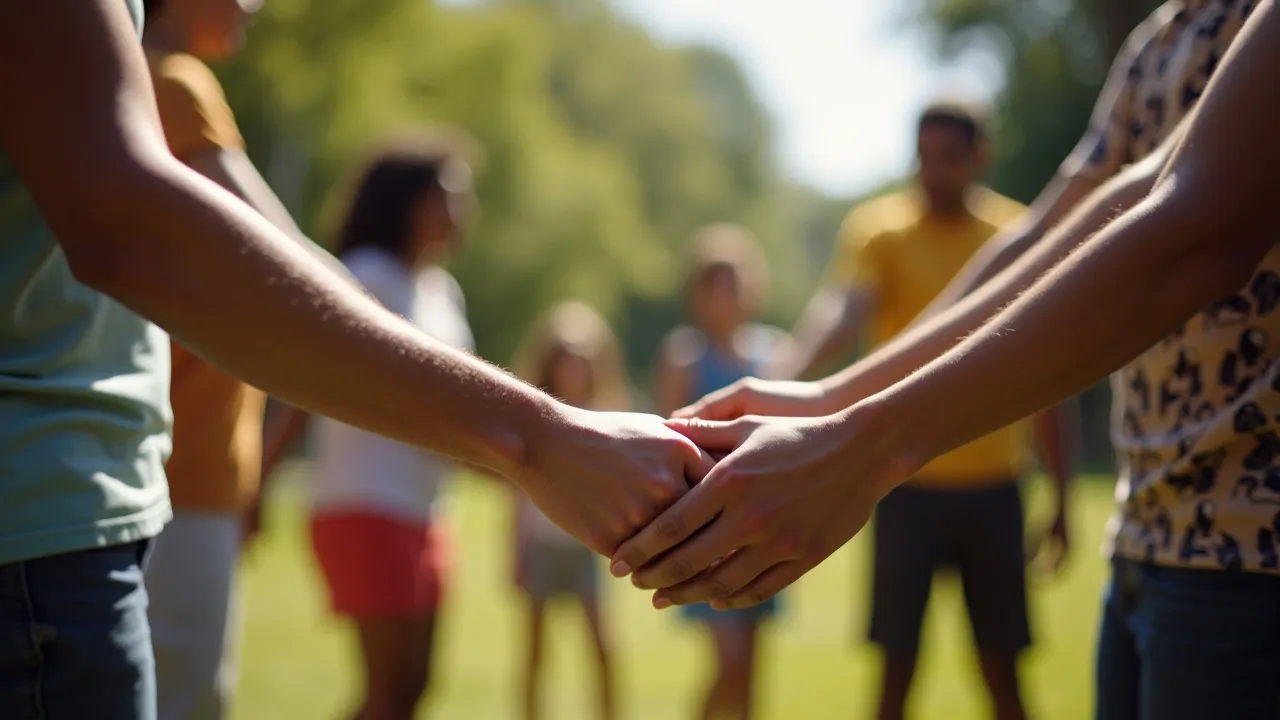
National May 29 Celebration, also known as Global Unity Day, honors international cooperation and cultural exchange. Established in 2010, this observance promotes peace and mutual understanding across borders.
The Historical Origins & Evolutionary Journey
The National May 29 Celebration, commonly referred to as Global Unity Day, traces its roots to early 21st-century international movements aimed at bridging cultural divides. Unlike centuries-old observances, this day was deliberately created in the digital age to leverage global connectivity for fostering peace.
The Foundational Catalyst
The idea emerged from a 2008 United Nations symposium on cross-cultural dialogue, where delegates noted a lack of a dedicated day for grassroots unity. A coalition of NGOs, educators, and tech leaders formed the Global Unity Initiative to establish such an observance. Their goal was simple: a single day when individuals and organizations worldwide would consciously act to build bridges across differences.
Legislative Adoption
After two years of advocacy, the initiative gained official recognition from the UN General Assembly in 2010. Resolution 64/253 designated May 29 as an annual day for promoting intercultural understanding. The date was chosen to fall between major spring holidays in many cultures, symbolizing a neutral moment for reflection and connection. The first official celebration in 2011 saw events in over 80 countries, from community potlucks to global teleconferences.
Modern Global Legacy
Today, the National May 29 Celebration is observed in over 140 nations. Its evolution reflects the changing nature of global interaction: where early celebrations focused on face-to-face exchange, recent years have emphasized digital platforms for virtual exchange, especially following the 2020 pandemic. The day now includes massive online events, collaborative art projects, and school exchange programs. Its core message remains constant: meaningful connection transcends borders.
How to Celebrate National May 29 Celebration 6a53
Celebrating this day is about intentional action toward unity. Here are the most effective strategies for individuals, schools, and organizations, organized by scale and context.
For Individuals and Families
- Host a Cultural Potluck: Invite neighbors from different backgrounds to share dishes and stories. Food is a universal bridge.
- Write a Letter to a Pen Pal: Use online platforms to connect with someone in another country and exchange handwritten letters about daily life.
- Learn a Phrase: Dedicate 10 minutes to learning a greeting in a language you don't speak, then use it with a native speaker.
For Schools and Universities
- Global Classroom Exchange: Partner with a school abroad for a live video discussion on a common theme like environmental stewardship.
- Unity Art Competition: Encourage students to create artwork representing interconnectedness. Display works in a virtual gallery.
- Culture Fair: Set up booths where students present their heritage through artifacts, music, and traditional attire.
For Organizations and Corporations
- Diversity Workshop: Conduct a mandatory session on unconscious bias and inclusive communication.
- Community Service: Organize a team volunteer day at an organization serving immigrants or refugees.
- Unity Pledge: Have employees sign a public commitment to respect and learn from colleagues of all backgrounds.
Regional variations add richness: In Japan, participants often share origami cranes symbolizing peace; in Brazil, samba circles bring together people of different favelas. The key is authentic engagement, not mere tokenism.
Global Impact & Societal Themes
The National May 29 Celebration has measurable effects on social cohesion and cross-cultural understanding. Research from the Institute for Global Studies shows that communities actively participating in the day report a 12% increase in trust toward out-groups over the following year.
Core Themes
- Interconnectedness: Emphasizing that global challenges — climate change, pandemics, inequality — require collaborative solutions.
- Empathy: Encouraging perspective-taking through storytelling and shared experiences.
- Action: Moving beyond awareness to concrete acts of kindness and collaboration.
The day also serves as a catalyst for year-round programs. Many organizations launch Unity Clubs or Global Ambassador Programs on May 29, ensuring the spirit continues beyond the single day. In regions of conflict, the observance has been used as a ceasefire opportunity, allowing humanitarian aid to reach vulnerable populations.
Corporate & Institutional Participation
Businesses and institutions play a vital role in amplifying the message. Since 2015, the Corporate Unity Index has rated companies on their celebration efforts, influencing consumer choices.
Best Practices
- Internal Initiatives: Offer paid time off for employees to volunteer at unity events.
- External Campaigns: Use social media to share stories of cross-cultural collaboration, using the official hashtag #UnityDay.
- Financial Support: Donate a portion of May 29 sales to organizations fostering global education.
Notable examples include Google's yearly Doodle celebrating diverse cultures, and Microsoft's internal talent shows featuring employees' heritage performances. Such actions not only enhance brand reputation but also foster inclusive work environments.
Educational Resources & Activities
Education is a cornerstone of the observance. The Unity Curriculum Project provides free lesson plans for K-12 teachers.
Sample Activities
- World Map Exercise: Students place markers on a map where their families originated, then discuss migration stories.
- Cultural Interview: Interview an older family member about traditions from their youth, present findings to the class.
- Collaborative Poem: each student contributes one line about what unity means to them, compiled into a class poem.
Universities often host International Festivals featuring food, music, and lectures. Online, platforms like Coursera offer free courses on intercultural communication during the week of May 29.
Digital Engagement & Social Media Strategy
In the digital age, virtual participation has become integral. The official Unity Day website offers tools for hosting and finding events.
Recommended Actions
- Virtual Backgrounds: Use custom Zoom backgrounds that display the Unity Day logo or a world map.
- Social Media Challenge: Post a photo with someone from a different culture, using the caption 'I unite because...'
- Live Stream: Broadcast a global music concert featuring artists from multiple continents, encouraging live donations to unity projects.
Analytics show that posts using the hashtag #NationalMay29Celebration reach an average of 2 million views globally. Influencers and celebrities often participate, further boosting visibility.
Historical Timeline
UN symposium proposes a dedicated day for global unity. The Global Unity Initiative is formed.
UN General Assembly passes Resolution 64/253, designating May 29 as an annual observance.
First official celebration takes place in 80 countries, with events ranging from community potlucks to global teleconferences.
Corporate Unity Index launched to rate company participation; Google and Microsoft become major sponsors.
Unity Curriculum Project provides free lesson plans to over 10,000 schools worldwide.
Pandemic shifts celebrations to virtual platforms; online events see record participation of 5 million attendees.
Observation expands to 140 nations; official hashtag #NationalMay29Celebration trends globally.