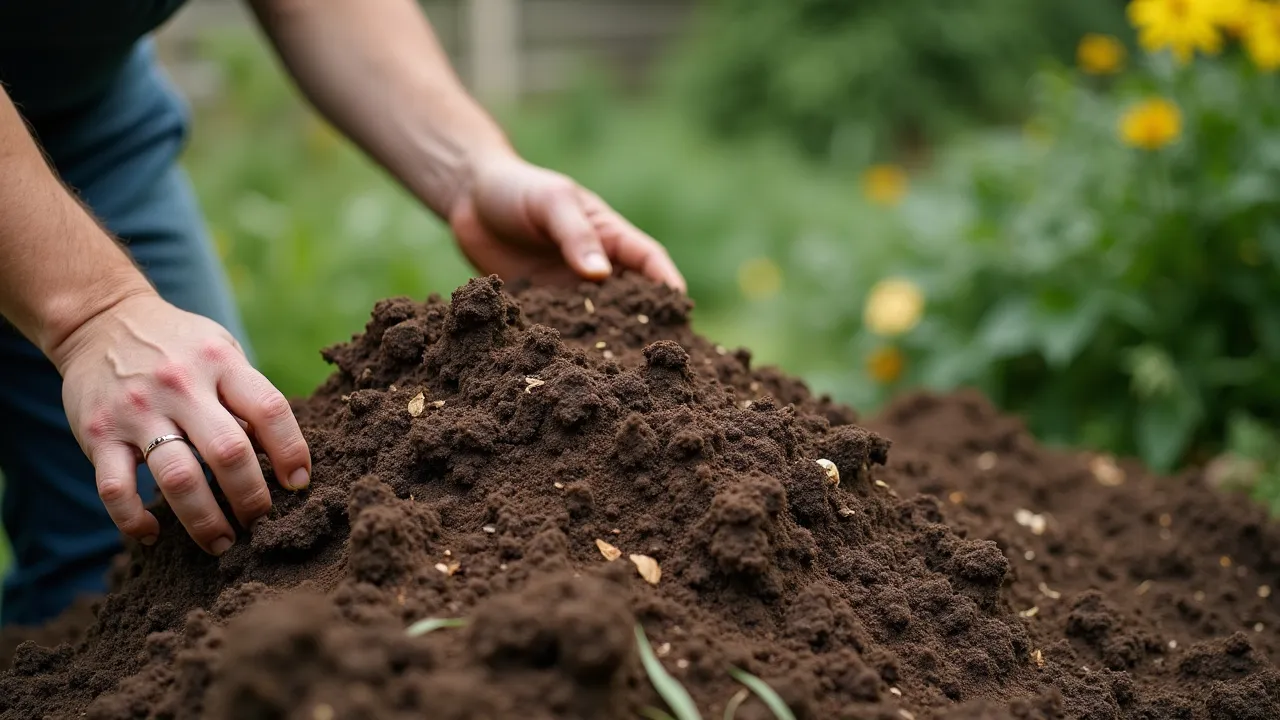
Learn About Composting Day on May 29th promotes environmental stewardship through composting education. Discover its history, benefits, and how to start composting at home or in your community.
The Historical Origins & Evolutionary Journey of Composting Awareness
Learn About Composting Day, observed annually on May 29th, traces its roots to the modern environmental movement and the growing recognition of composting as a critical tool for waste reduction and soil health. The day was established in 2010 by the Composting Council Research & Education Foundation (CCREF) to address a gap in public knowledge about composting practices. Prior to this initiative, composting was largely practiced by dedicated gardeners and agricultural communities, but widespread awareness remained low.
The Foundational Catalyst
The early 2000s saw a surge in landfill concerns and climate change activism. Studies showed that organic waste constitutes nearly 30% of municipal solid waste, and when landfilled, it generates methane—a potent greenhouse gas. CCREF recognized that education was key to diverting this waste. Learn About Composting Day was conceived as a single-day focal point to inspire individuals, schools, and businesses to explore composting. The first celebration in 2010 involved community workshops, school programs, and social media campaigns that reached thousands.
Legislative and Organizational Adoption
Over the next decade, the day gained traction. Municipalities began aligning their waste reduction campaigns with May 29th. Organizations like the US Composting Council and the Institute for Local Self-Reliance promoted resources. By 2015, over 100 events were registered nationwide, including compost bin giveaways and master composter training sessions. The day also influenced policy: several states introduced composting incentives and educational mandates in schools, citing the awareness generated by the observance.
Modern Global Legacy
Today, Learn About Composting Day has expanded beyond the United States. Canada, the UK, Australia, and parts of Europe now mark the day with localized events. The core message remains universal: composting transforms waste into a valuable resource, enriches soil, and mitigates climate change. The day continues to evolve with digital resources, online webinars, and social media challenges that encourage participants to share their composting journeys. As of 2025, the observance is recognized by over 500 partner organizations globally.
How to Celebrate Learn About Composting Day
Celebrating Learn About Composting Day is about taking actionable steps to understand and implement composting. Whether you are a beginner or an experienced composter, the day offers opportunities to deepen your knowledge and share with others. Below are comprehensive strategies for individuals, schools, and organizations.
For Individuals and Households
- Start a Compost Bin: Purchase or build a simple bin for your backyard. Use a mix of greens (food scraps) and browns (leaves, paper).
- Attend a Workshop: Many local garden centers and environmental nonprofits offer free composting workshops on May 29th. Search for events near you.
- Try Vermicomposting: If space is limited, set up a worm bin indoors. Red wigglers can process kitchen waste efficiently.
- Read and Research: Dedicate 30 minutes to reading guides from reputable sources like the US Composting Council or EPA.
- Share on Social Media: Use #LearnAboutCompostingDay to post your compost pile or tips, inspiring others.
For Schools and Educational Institutions
- Organize a Field Trip: Visit a local composting facility or community garden to see large-scale operations.
- Classroom Activities: Conduct a waste audit to show how much is compostable. Use a simple experiment with a plastic bottle to demonstrate decomposition.
- Start a School Compost Program: Engage students in collecting lunch scraps and maintaining a pile. Tie it to science and environmental studies.
- Invite a Speaker: Arrange a virtual or in-person talk from a master composter or extension agent.
- Employee Education: Host a lunch-and-learn session on composting at work. Provide resources for home composting.
- Initiate Office Composting: Set up collection bins for coffee grounds and food waste. Partner with a local compost service.
- Community Partnerships: Sponsor a compost bin giveaway or a neighborhood composting demonstration.
- Corporate Volunteering: Encourage staff to volunteer at a community garden or farm that practices composting.
For Businesses and Organizations
Unique International Traditions
In the United Kingdom, community composting networks host open days at local sites. In Australia, many councils offer rebates for compost bins purchased on May 29th. In Japan, some cities hold 'compost festivals' with traditional soil-making demonstrations. These variations enrich the global observance and highlight diverse approaches to organic waste management.
The Environmental Impact of Composting: Benefits and Data
Composting is widely recognized as one of the most effective strategies for reducing greenhouse gas emissions and improving soil health. On Learn About Composting Day, attention turns to the measurable environmental benefits that composting delivers.
Methane Reduction and Climate Mitigation
When organic waste decomposes anaerobically in landfills, it produces methane, a gas 25 times more potent than carbon dioxide. Composting diverts this waste to an aerobic process that generates carbon dioxide instead. According to the EPA, a single household can prevent over 500 pounds of methane emissions annually by composting food scraps. Large-scale programs in cities like San Francisco have reduced landfill methane by up to 40%.
Soil Regeneration and Carbon Sequestration
Compost enriches soil with organic matter, improving water retention, aeration, and nutrient content. This leads to healthier plants and reduced need for chemical fertilizers. Moreover, compost helps sequester carbon in the soil. Studies indicate that applying compost can increase soil carbon storage by 2–5 tons per hectare over a decade, contributing to climate change mitigation.
Waste Reduction and Circular Economy
Composting is a cornerstone of the circular economy, turning waste into a resource. In the United States, food waste accounts for about 24% of municipal solid waste. By composting, communities can reduce landfill burden, lower disposal costs, and produce a valuable product. Many cities have adopted curbside composting programs, achieving diversion rates of 50% or more.
Water Quality and Biodiversity
Compost improves soil structure, reducing runoff and erosion. It also filters pollutants and promotes beneficial microbial life. Healthy soils support diverse ecosystems, from earthworms to microorganisms. Composting reduces the need for synthetic fertilizers that can harm water bodies through runoff.
In summary, the environmental impact of composting is profound. Learn About Composting Day serves as a reminder that individual actions, when multiplied, can lead to significant ecological benefits.
Composting Methods: From Backyard to Industrial Scale
Composting can be done using various methods, each suited to different scales and contexts. Understanding these methods empowers individuals and organizations to choose the best approach on Learn About Composting Day.
Backyard Composting
The most common method for households. A pile or bin is built with layering green (nitrogen-rich) and brown (carbon-rich) materials. The pile must be turned regularly to aerate and maintained at the right moisture level (like a wrung-out sponge). Finished compost is ready in 3–6 months. This method is cost-effective and produces high-quality soil amendment.
Vermicomposting
Using worms (typically red wigglers) to break down organic matter. Worms consume food scraps and produce nutrient-rich castings. This method is ideal for apartments or small spaces, as it can be done indoors with a worm bin. It processes waste quickly—worms can eat half their body weight daily. The castings are excellent for potting soil.
Bokashi Composting
An anaerobic method that ferments organic matter using a bran inoculated with effective microorganisms (EM). Bokashi can handle meat, dairy, and cooked foods that traditional composting cannot. The fermented material is then buried in soil to finish decomposing. It's popular in Japan and among urban composters.
Trench Composting
A simple method where organic waste is buried directly in garden beds. Dig a trench 12 inches deep, fill with kitchen scraps, and cover with soil. Over time, the waste decomposes in place, enriching the soil. No bins or turning required; ideal for home gardeners.
Industrial and Municipal Composting
Large-scale facilities use advanced technologies like windrow composting (long rows turned mechanically), aerated static piles (with forced air), or in-vessel systems (enclosed reactors). These methods process tons of waste daily, producing compost sold to farms and landscapers. They adhere to strict regulations for temperature and pathogen reduction.
Each method has its benefits and limitations. Learn About Composting Day encourages exploration of all options to find the best fit.
Composting Around the World: Regional Practices and Policies
Composting practices vary widely across countries and cultures due to differences in waste infrastructure, climate, and traditions. Learn About Composting Day highlights this diversity and the shared goal of reducing organic waste.
North America
In the United States and Canada, backyard composting is common, but curbside collection programs are expanding. Cities like San Francisco and Seattle mandate composting. The US Composting Council sets standards and offers certifications. Canada's Compost Council promotes backyard and community composting.
Europe
European countries lead in composting with high diversion rates. Germany has separate biowaste bins and extensive commercial composting. The UK's 'Love Food Hate Waste' campaign supports home composting. Italy achieves over 50% organic waste recycling through door-to-door collection. The EU Circular Economy Package sets targets to increase composting.
Asia
Japan has a strong culture of waste separation; many households use electric composters or Bokashi. South Korea mandates food waste recycling and uses RFID-based collection systems. In India, community composting is growing in urban areas, and traditional pit composting remains in rural villages.
Africa
In many African countries, composting is a traditional practice, but urbanization reduces its prevalence. Organizations like the Kenya Composting Network promote small-scale vermicomposting and community projects. Composting helps improve soil fertility in agricultural regions.
Oceania
Australia and New Zealand have active home composting cultures. Many councils provide subsidized bins and workshops. Australia's National Food Waste Strategy includes composting as a key action. New Zealand's Zero Waste initiatives promote on-site composting at events.
These regional practices demonstrate that composting is adaptable and essential globally. Learn About Composting Day fosters cross-cultural learning and collaboration.
The Future of Composting: Innovations and Challenges
As Learn About Composting Day continues to grow, the future of composting looks promising with technological advances and increasing policy support. However, challenges remain.
Innovations in Composting Technology
New technologies are making composting faster and more efficient. In-vessel composting systems can process waste in days rather than months. Smart bins with sensors monitor temperature and moisture, optimizing conditions. Biodegradable plastics are being developed to break down in compost facilities, though contamination remains an issue. Another innovation is insect-based composting, using black soldier fly larvae to convert waste into protein and frass fertilizer.
Policy and Infrastructure Growth
Governments worldwide are implementing mandatory organics recycling laws. The European Union's Waste Framework Directive sets recycling targets. In the US, California's SB 1383 requires organic waste diversion by 2025. Cities are expanding curbside services, and new facilities are being built. However, infrastructure investment is needed in many regions.
Challenges to Overcome
Contamination is a major issue—plastics, glass, and non-compostables sometimes end up in compost streams. Public education is key. Another challenge is the economics of composting; it can be more expensive than landfilling without proper incentives. Odor and pest management at large facilities also require careful design. Climate change impacts, such as droughts and floods, can affect composting processes.
Despite these challenges, the trajectory is positive. Learn About Composting Day plays a vital role in driving public awareness and support for composting infrastructure. With continued innovation and investment, composting can become a cornerstone of sustainable waste management worldwide.
Historical Timeline
Composting has been practiced for millennia; early farmers used organic waste to enrich soil.
Sir Albert Howard develops the Indore composting method in India, formalizing modern composting techniques.
Backyard composting gains popularity with the environmental movement. The first Earth Day in 1970 inspires home composting.
Municipal composting programs begin in the US and Europe. The US Composting Council is founded in 1991.
Climate change concerns spotlight methane reduction from landfills. Composting becomes a key waste strategy.
First Learn About Composting Day celebrated on May 29th, established by the Composting Council Research & Education Foundation.
Learn About Composting Day expands to over 100 registered events nationwide. Social media campaigns reach millions.
The COVID-19 pandemic increases interest in home gardening and composting. Online workshops surge.
Over 500 organizations worldwide now participate in Learn About Composting Day. Curbside composting is available to 50% of US households.