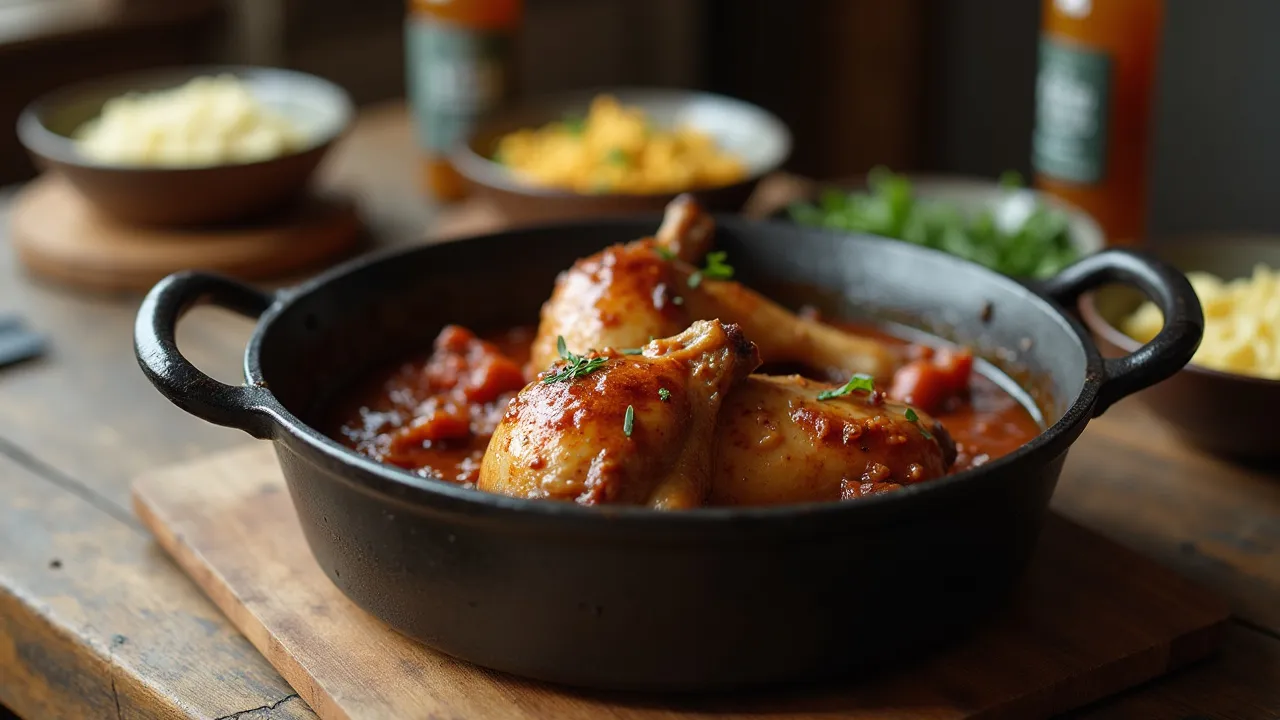
National Coq Au Vin Day on May 29th celebrates the beloved French braised chicken dish. It's a day to savor the rich flavors of wine, mushrooms, and herbs in a classic comfort meal.
The Historical Origins & Evolutionary Journey
The Foundational Catalyst
Coq au vin, meaning 'rooster in wine,' has deep roots in French peasant cuisine dating back to ancient times. The dish was originally a practical way to tenderize tough, older roosters through slow braising in local wine. Its exact birthplace is disputed, with regions like Burgundy, Alsace, and Auvergne each claiming the original recipe. The first known written recipe appeared in the 17th century, but the dish likely existed long before.
The Rise to Classic Status
In the 20th century, coq au vin was elevated from rustic fare to haute cuisine. Julia Child featured it in her seminal 1961 cookbook Mastering the Art of French Cooking, introducing the dish to American audiences. Child's detailed instructions demystified the braising process and showcased the dish's elegance. By the 1970s, coq au vin became a staple in French restaurants worldwide.
Modern Global Legacy
Today, National Coq Au Vin Day is promoted by food websites and cooking enthusiasts to honor this timeless dish. It has evolved with variations using different wines (red or white), added vegetables, and even modern pressure-cooker adaptations. The day encourages both novice and experienced cooks to appreciate the art of French braising.
How to Celebrate National Coq Au Vin Day
Celebrating National Coq Au Vin Day is about honoring French culinary tradition through cooking and sharing. Here are actionable ways to participate:
For Individuals
- Cook from scratch: Use a traditional recipe with chicken thighs, red wine (like Burgundy), bacon, mushrooms, and pearl onions. Braise low and slow for at least 90 minutes.
- Host a dinner party: Invite friends over for a French-themed evening. Serve coq au vin with crusty bread, roasted potatoes, and a green salad.
- Try a variation: Experiment with white wine (coq au vin blanc) or adding herbs like thyme and rosemary.
For Schools and Organizations
- Host a cooking class: Teach participants the fundamentals of braising and French techniques.
- Organize a potluck: Encourage attendees to bring their own coq au vin interpretations, then vote on the best.
- Share on social media: Use hashtags like #NationalCoqAuVinDay to post photos and recipes.
Global Celebration Tips
In France, the day might be observed in restaurants featuring special menus. In the US, home cooks often post step-by-step guides. The key is to savor the process and enjoy the communal meal.
Global Variations of Coq Au Vin
While coq au vin is quintessentially French, variations abound worldwide due to local wine and ingredient substitutions.
Regional French Styles
- Burgundy: Uses Pinot Noir, with mushrooms and pearl onions.
- Alsace: Uses Riesling or Gewürztraminer, often with cream (coq au vin blanc).
- Provence: Adds olives and herbes de Provence.
International Adaptations
- Vietnam: Gà kho (caramelized chicken in fish sauce) is a local take.
- Italy: Pollo alla cacciatora uses wine, tomatoes, and olives.
- United States: Often substitutes rooster with chicken and uses budget-friendly wine like Merlot.
These adaptations highlight the dish's versatility while maintaining its soul: slow-cooked chicken in wine.
Culinary Significance and Techniques
Coq au vin exemplifies the French technique of braising, which combines dry and moist heat to tenderize meat and develop deep flavors.
Key Techniques
- Marinating: Soak chicken pieces in wine overnight to infuse flavor and tenderize.
- Searing: Brown the chicken and bacon for a rich crust (Maillard reaction).
- Deglazing: Use wine to lift browned bits from the pan, adding complexity.
- Simmering: Cook gently at 180°F (82°C) for 1.5-2 hours until meat is fall-apart tender.
Flavor Profile
The dish balances acidity from wine, saltiness from bacon, earthiness from mushrooms, and sweetness from onions. Herbs like thyme and bay leaf provide aromatic depth. This harmony is why coq au vin remains a cooking school classic.
Wine Pairing Essentials
The wine used in coq au vin is crucial, and the same wine should ideally accompany the meal.
Best Wines for Cooking and Drinking
- Red Burgundy (Pinot Noir): Classic choice; light-bodied but earthy.
- Beaujolais Cru: Fruit-forward and low in tannins.
- Côtes du Rhône: Grenache-based, offers spice.
White Wine Versions
For coq au vin blanc, use a dry white Burgundy (Chardonnay) or unoaked Sauvignon Blanc. Avoid overly oaky wines that overpower the dish.
Tip: Always cook with wine you would drink; poor-quality wine ruins the sauce.
Nutritional and Dietary Considerations
Traditional coq au vin is hearty but can be modified for dietary needs.
Nutritional Breakdown (per serving)
- Calories: 450-600
- Protein: 35-40g
- Fat: 25-30g (from bacon and skin)
- Carbs: 10-15g (from onions and mushrooms)
Dietary Modifications
- Gluten-Free: Omit flour or use rice flour for thickening. Ensure bacon is gluten-free.
- Low-Fat: Remove chicken skin, use turkey bacon, and skip the butter.
- Keto-Friendly: The dish is naturally low-carb; just skip root vegetables.
Coq au vin can be adapted without losing its soul, making it accessible to many diets.
Historical Timeline
Coq au vin originates as a peasant dish in France, using tough roosters braised in local wine to tenderize them.
Julia Child publishes 'Mastering the Art of French Cooking' with a detailed recipe, popularizing coq au vin in the United States.
National Coq Au Vin Day is promoted by food websites, particularly Food.com, as a day to celebrate the dish on May 29th.
During the COVID-19 pandemic, home cooks rediscover braised comfort foods, leading to a surge in coq au vin searches and social media posts.