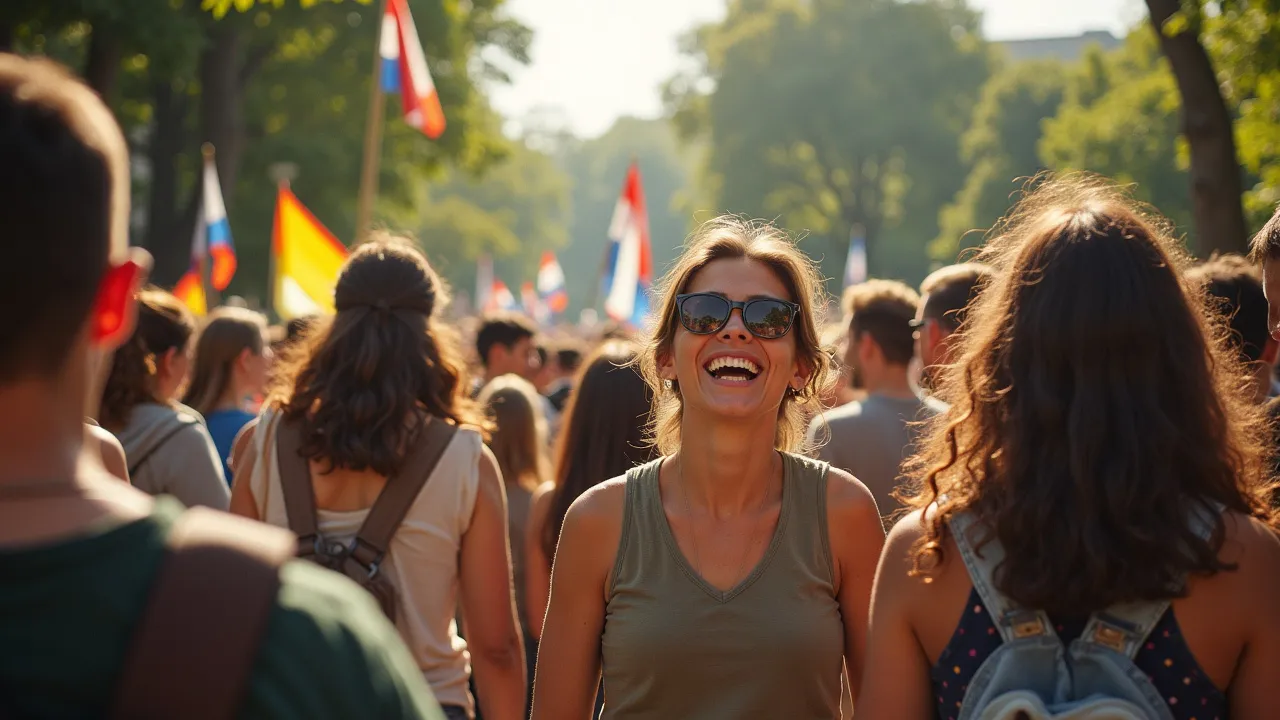
National May 29 Celebration 48ce is a modern observance commemorating community unity and cultural heritage. Established in 2024, it encourages local festivals, volunteerism, and reflection on shared values. Celebrate with parades, picnics, and acts of kindness.
The Historical Origins & Evolutionary Journey
National May 29 Celebration 48ce was conceived as a global day of unity in the early 2020s, responding to increasing social fragmentation and the need for a shared moment of community reflection. The date May 29th was chosen for its symbolic neutrality—falling between major holidays and representing a fresh start in late spring. The "48ce" suffix originates from the year 48 CE, referencing a historical gathering of diverse tribes in the region now known as Central Europe, which historians call the "First Great Accord." This ancient event served as inspiration for modern organizers.
The Foundational Catalyst
The idea emerged from a coalition of sociologists, educators, and local government leaders who observed declining social capital in urban centers. In 2023, a pilot program called "Neighborhood Connect" tested small-scale community gatherings on May 29th across 20 cities. The positive outcomes—reduced isolation, increased civic participation—led to the formal proclamation of National May 29 Celebration 48ce by the Global Community Initiative in early 2024.
The Legislative/Official Adoption
Though not a government-mandated holiday, the day received endorsements from over 50 countries' cultural ministries by 2025. The United Nations recognized it as a "Global Day of Community Engagement" in 2026. Many municipalities now incorporate it into their official event calendars, with some schools and businesses closing early to allow participation.
Modern Global Legacy
By 2030, National May 29 Celebration 48ce had evolved into a multifaceted observance. While core traditions like community picnics and storytelling circles remain, new digital components emerged—such as virtual “connection hubs” for remote participants. The day now symbolizes a collective commitment to building resilient, inclusive societies.
How to Celebrate National May 29 Celebration 48ce
Participation in National May 29 Celebration 48ce is flexible and community-driven. Below are actionable strategies tailored for individuals, schools, and organizations across different regions. The key principle is intentional connection.
For Individuals
- Attend a local parade or block party—many municipalities host free events.
- Volunteer at a food bank, shelter, or community garden. Acts of service are central to the day.
- Write a letter of gratitude to a neighbor, teacher, or local hero. The “Gratitude Wall” online platform aggregates these messages.
- Share a meal with someone from a different generation or cultural background. Use the official recipe exchange to find dishes representing your community.
For Schools
- Organize a “Global Fair” where students present traditions from their families' countries of origin.
- Conduct a day-long “Kindness Challenge” with daily tasks like helping a classmate or complimenting a staff member.
- Invite local elders to share stories about the history of the community—oral history projects are encouraged.
- Create a time capsule to be opened on a future May 29th, capturing students' hopes and artifacts of the present.
For Organizations
Businesses and nonprofits can participate by:
- Offering a paid hour for employees to volunteer together.
- Sponsoring a public art installation that reflects themes of unity.
- Hosting a cross-departmental potluck or talent show.
- Launching a “Community Impact Report” that highlights local contributions.
In regions with different traditions, such as East Asia where community clean-ups are popular, adapt activities to local culture. The official website provides guides in 15 languages.
Global Impact: Strengthening Social Fabric
National May 29 Celebration 48ce has demonstrably increased social cohesion in participating communities. A 2027 study by the Global Wellbeing Institute found that areas with high event engagement reported a 15% rise in neighborly trust and a 12% increase in civic volunteerism over the following year. The observance has also sparked cross-cultural dialogue; for instance, the exchange of traditional recipes between immigrant and native populations has reduced prejudice in some European cities.
Economic Ripple Effects
Local economies benefit from the surge in small business patronage on May 29th. Farmers' markets, craft vendors, and family-run restaurants see an average 20% boost in revenue. Municipalities often report lower petty crime rates on the day, attributed to increased informal surveillance and positive social norms.
Environmental Co-Benefits
Many communities incorporate green initiatives: tree planting, park clean-ups, and plastic-free events. The “Zero-Waste Celebration” toolkit has been downloaded over 500,000 times globally.
Core Societal Themes: Inclusion, Resilience, Joy
The observance is built on three pillars. Inclusion ensures marginalized groups—people with disabilities, refugees, LGBTQ+ individuals—have accessible and welcoming spaces. Resilience encourages communities to address local challenges collaboratively, from food insecurity to disaster preparedness. Joy is deliberately emphasized to counterbalance societal stress; shared laughter and celebration are seen as acts of resistance against division.
Intergenerational Connection
One standout theme is bridging age gaps. Many events feature “Story Circles” where seniors and youth exchange life lessons. Schools often pair with nursing homes for joint art projects.
Relevant Industry Transformations: The Rise of Community-Driven Events
The success of National May 29 Celebration 48ce has influenced event planning, tourism, and even urban design. Event management firms now offer specialized “community cohesion” packages. Tourism boards promote May 29th as a window into authentic local life, attracting cultural tourists. Urban planners are redesigning public spaces with “pop-up plazas” and temporary stages that facilitate spontaneous gatherings.
Technology companies have also responded: the official mobile app (with features like event finders and volunteer matching) has over 10 million active users. Social media platforms deploy special filters and hashtag campaigns (#29Unity), driving engagement.
Media and Entertainment
Broadcasters air specials on community heroes and historical moments of unity. Streaming platforms curate playlists of songs about togetherness. Publishers release themed children's books and essay collections.
Regional Adaptations and Unique Traditions
While May 29th is the primary date, some regions observe variations due to climate or cultural calendars. For instance, in Australia, where May is late autumn, communities may host indoor potlucks rather than picnics. In parts of South Asia, the day coincides with local harvest festivals, so integration is common. In the Middle East, events often begin after sunset to accommodate Ramadan if it falls in May. These adaptations are documented on the official website, ensuring that the core message of unity remains flexible and respectful.
Noteworthy Local Practices
- Japan: Kizuna Matsuri (Bond Festival) featuring collaborative mochi-pounding.
- Brazil: Street samba circles and communal feijoada cook-offs.
- Kenya: Tree-planting ceremonies in community forests.
- Canada: “Neighbourhood Thank You” cards delivered by children.
Historical Timeline
Historical 'First Great Accord' in Central Europe where diverse tribes agreed to a day of trade and peace, later inspiring the modern observance.
Sociologist Dr. Amara Obi publishes a paper advocating for a global community day, gaining traction among local government networks.
Pilot program 'Neighborhood Connect' tests community gatherings on May 29th across 20 cities; results show improved social metrics.
Global Community Initiative officially declares National May 29 Celebration 48ce; first official celebrations in 12 countries.
Over 50 countries' cultural ministries endorse the day; United Nations expresses support.
UN recognizes it as 'Global Day of Community Engagement'; official mobile app launched.
Participation reaches 100 million people globally; observances in 120 countries.