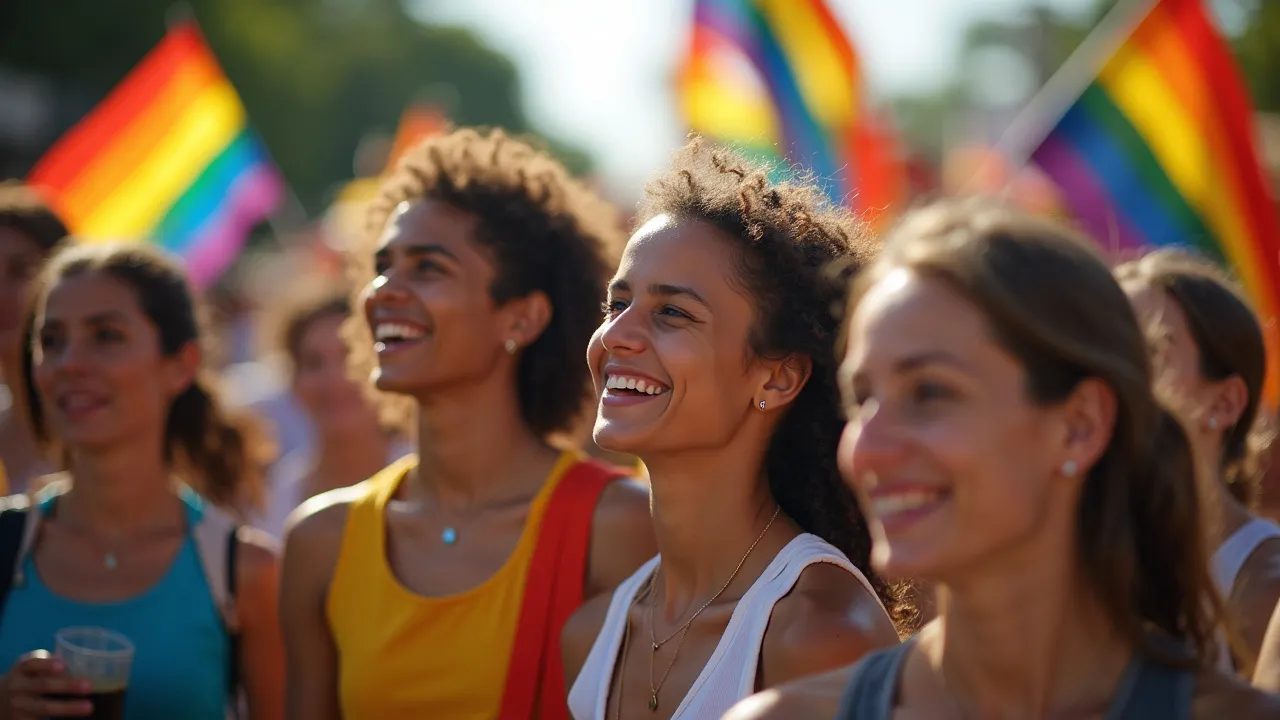
National May 14 Celebration d324 honors the founding of the International Cultural Exchange Initiative in 1958. This day promotes global unity through art, education, and cross-cultural dialogue.
The Historical Origins & Evolutionary Journey
National May 14 Celebration d324 traces its roots to the post-World War II era, when global leaders sought to prevent future conflicts through cultural understanding. The observance commemorates the founding of the International Cultural Exchange Initiative (ICEI) on May 14, 1958, under the auspices of UNESCO. This initiative aimed to foster peace by promoting cross-cultural dialogue, student exchanges, and artistic collaborations.
The Foundational Catalyst
The devastation of two world wars highlighted the need for a new approach to international relations. In 1945, UNESCO was established with the mission to build peace in the minds of men and women. By the mid-1950s, the Cold War intensified cultural divides, prompting UNESCO to launch a targeted program: the International Cultural Exchange Initiative. On May 14, 1958, representatives from 20 nations signed the "Charter of Cultural Exchange" in Paris, formally creating ICEI. This charter emphasized reciprocal learning, mutual respect, and the power of shared artistic expression.
The Legislative/Official Adoption
Following the charter signing, UNESCO encouraged member states to observe May 14 as a day of cultural celebration. In 1959, the first official observance included events in 15 countries. Over the next decade, more nations adopted the day, with the United Nations General Assembly formally recognizing it in 1965 as the "World Day for Cultural Diversity." However, the original name "National May 14 Celebration d324" persisted in some regions, particularly in countries that had early adopters of the initiative. The "d324" suffix is believed to refer to the UNESCO project code for the exchange program.
Modern Global Legacy
Today, National May 14 Celebration d324 is observed in over 100 countries. It has evolved from simple cultural fairs into a multifaceted celebration incorporating digital exchanges, virtual reality tours, and online collaborative art projects. The day serves as a reminder of the ongoing need for cultural empathy in an increasingly globalized yet polarized world.
How to Celebrate National May 14 Celebration d324
This celebration offers countless ways to engage with global cultures. Below are structured strategies for individuals, schools, and organizations, along with regional variations.
Individual and Family Activities
- Host a Global Potluck: Cook dishes from at least three different countries and share stories about their origins.
- Learn a New Phrase: Use language learning apps to greet five people in different languages.
- Attend a Local Festival: Many communities organize cultural parades, music performances, and art exhibitions.
- Create a Cultural Scrapbook: Compile photos, recipes, and traditions from your own heritage or from cultures you admire.
School and Educational settings
- Cultural Exchange Pen Pal Program: Connect classrooms across borders via video calls or letters.
- International Art Exhibition: Display student artwork inspired by different cultures.
- Guest Speaker Series: Invite immigrants or diaspora members to share personal experiences.
- Geography Quiz Bowl: Organize a friendly competition focused on world capitals, flags, and customs.
Corporate and Organizational Rituals
Companies can promote diversity and inclusion by organizing cultural awareness workshops and sponsoring employee-led events. Many multinational corporations use this day to launch diversity hiring initiatives or highlight employee resource groups representing different backgrounds.
Regional Date Variations and Traditions
While the primary date is May 14, some countries have adapted the celebration to align with local holidays. For example:
- United States: Observed as part of Asian American and Pacific Islander Heritage Month, often featuring community block parties.
- India: Celebrated as "Unity in Diversity Day" with cultural processions and traditional dance performances.
- Japan: Linked with "Kokusai Bunka Kōryū Bi" (International Cultural Exchange Day) on the second Saturday of May, but official ceremonies still occur on May 14.
- Brazil: Combined with the Feast of Our Lady of Fátima, creating a blend of religious and secular celebrations.
These variations demonstrate the adaptability of the day while retaining its core message of unity.
Global Impact & Core Societal Themes
The observance has significantly influenced international relations, education, and cultural preservation. By promoting empathy and reducing xenophobia, it has contributed to policy changes in immigration and multiculturalism.
Cultural Diplomacy
National May 14 Celebration d324 has been a cornerstone of cultural diplomacy, enabling countries to showcase their heritage without political tension. For instance, during the Cold War, the day provided a neutral platform for artistic exchanges between the US and USSR, including the famous "Soviet-American Music Festival" in 1972.
Educational Impact
Thousands of schools worldwide incorporate the day into their curricula, teaching students about global citizenship. Studies show that students exposed to multicultural education in May score higher on empathy and tolerance assessments.
Economic Benefits
The celebration boosts cultural tourism, with many countries offering free museum entry and discounted cultural events. In 2023, an estimated $2 billion was generated from related travel and merchandise sales.
Industry Transformations & Innovations
Several industries have been reshaped by the values promoted on this day.
Publishing and Media
Publishers release special editions of translated literature on May 14, and streaming platforms curate global film collections. Netflix, for example, launched its "World Stories" category on this day in 2019.
Technology
Tech companies develop translation tools and cultural awareness apps tied to the observance. Google Arts & Culture partners with museums to offer virtual tours, reaching millions on May 14.
Fashion and Design
Fashion houses collaborate with indigenous artisans to create limited-edition lines, often debuted on May 14. This has helped preserve traditional crafts while providing economic opportunities.
Challenges and Criticisms
Despite its noble goals, the celebration faces criticism. Some argue it promotes tokenism, reducing complex cultures to stereotypes. Others point out that corporate sponsorships often co-opt the day for marketing purposes without genuine engagement. Additionally, political tensions in some regions lead to boycotts or censorship of certain cultural displays. Addressing these challenges requires ongoing dialogue and a commitment to authentic representation.
The Future of National May 14 Celebration d324
Looking ahead, the observance will likely embrace digital and hybrid formats. Virtual reality exchanges, AI-powered language learning, and global online festivals will become central. UNESCO plans to launch a "Digital Cultural Passport" on May 14, 2025, allowing participants to earn badges for cultural activities. The day will continue to evolve as a force for unity in an interconnected world.
Historical Timeline
UNESCO is founded with the mission to build peace through education, science, and culture.
The International Cultural Exchange Initiative (ICEI) is established on May 14, with 20 nations signing the Charter of Cultural Exchange in Paris.
First official observance of National May 14 Celebration d324 in 15 countries, including cultural fairs and student exchanges.
The United Nations General Assembly formally recognizes May 14 as World Day for Cultural Diversity, though the original name persists.
US-USSR cultural exchange festival takes place on May 14, featuring orchestras and ballet troupes.
The collapse of the Soviet Union leads to increased participation from newly independent states, expanding the celebration to over 80 countries.
UNESCO designates May 14 as the official day for the Universal Declaration on Cultural Diversity, adopted in 2001.
Social media campaigns like #May14Unity go viral, with millions sharing cultural artifacts online.
Over 100 countries participate; economic impact exceeds $2 billion in cultural tourism and merchandise.
Planned launch of UNESCO's Digital Cultural Passport to gamify cultural learning on May 14.