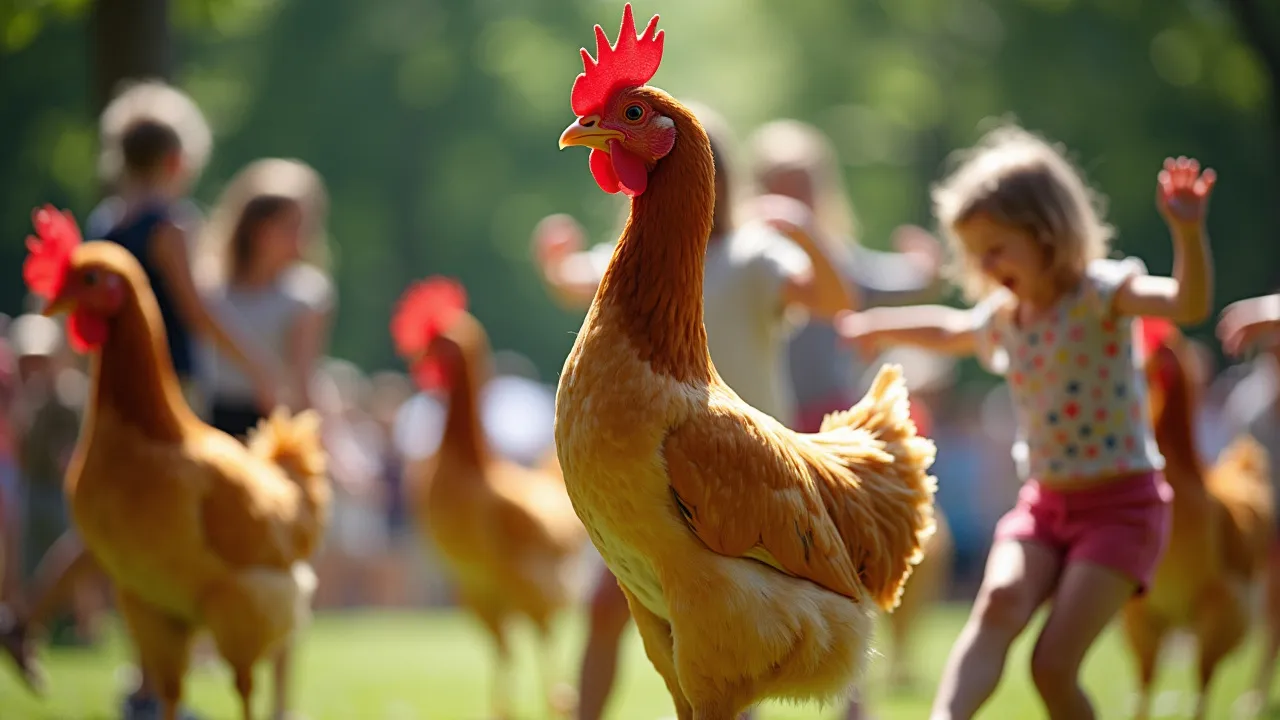
National Dance Like a Chicken Day on May 14th is a whimsical observance that invites everyone to mimic chicken moves to the iconic chicken dance tune. It celebrates joy, silliness, and the power of dance to unite communities.
The Historical Origins and Evolutionary Journey
National Dance Like a Chicken Day, observed annually on May 14th, has roots in a simple but infectious melody: the Chicken Dance. This day is not tied to a single founder but emerged organically from the global popularity of the song and its accompanying dance.
The Foundational Catalyst
The Chicken Dance song, originally composed by Swiss accordionist Werner Thomas in the 1950s as "Der Ententanz" (The Duck Dance), became a worldwide sensation after being adapted by various artists. The simple, repetitive tune and easy-to-learn dance moves—flapping arms, wiggling like a chicken, and clapping—made it a staple at weddings, parties, and school events. By the 1980s, the dance had crossed cultural boundaries, and the observance likely began as a humorous internet-driven tradition in the early 2000s.
The Legislative/Official Adoption
Unlike official holidays, National Dance Like a Chicken Day was never legislatively adopted. It gained recognition through grassroots promotion, social media, and annual celebration by communities, schools, and organizations. The date May 14th was chosen to align with springtime, a season of renewal and outdoor festivities ideal for dancing.
Modern Global Legacy
Today, the day is celebrated with flash mobs, school assemblies, and viral video challenges. It serves as a reminder to embrace lightheartedness and connect with others through shared silly fun. The dance has even been used in therapeutic settings to reduce stress and improve mood.
How to Celebrate National Dance Like a Chicken Day
Celebrating this day is about letting loose and having fun. Here are actionable strategies for individuals, schools, and organizations:
For Individuals
- Learn the classic chicken dance: Master the moves—flap arms, wiggle, clap, and turn. Find tutorials online.
- Host a spontaneous dance party: Gather friends or family in your backyard or living room and play the chicken dance song.
- Record and share: Post a video on social media with the hashtag #DanceLikeAChickenDay to join the global fun.
For Schools and Organizations
- Organize a flash mob: During lunch or break, have participants suddenly start dancing to the chicken dance song.
- Incorporate into team building: Use the dance as an icebreaker to reduce stress and boost morale.
- Host a costume contest: Encourage attendees to dress like chickens for added hilarity.
Global Traditions
- United States: Many schools and community centers hold chicken dance competitions with prizes.
- Germany: Known as "Ententanz" day, it is often part of Volksfest celebrations with live accordion music.
- Japan: Young people organize synchronized dance videos and post them on platforms like TikTok.
The Cultural Impact of the Chicken Dance
The chicken dance transcends age, language, and culture. Its simple steps make it inclusive, and its humor breaks social barriers.
Social Bonding
At weddings and parties, the chicken dance gets people of all generations onto the dance floor, fostering connection. It is often the first dance parents teach children.
Therapeutic Use
Occupational therapists use the dance to improve motor skills and coordination in children with developmental delays. The repetitive movements are calming and fun.
Media and Entertainment
The chicken dance has been featured in movies like "The Simpsons" and "The Office," cementing its place in pop culture. It is also a staple at sporting events, where crowds perform it during breaks.
The Evolution of the Chicken Dance Song
Werner Thomas's original composition for the accordion became a global hit after being recorded by several artists. The most famous version is by the Dutch band De Electronica, released in 1979 as "The Chicken Dance."
Key Versions
- 1979: De Electronica's version topped charts in Europe.
- 1981: The song was introduced to the US by bandleader Lawrence Welk.
- 1990s: The dance became a wedding standard worldwide.
Today, the song exists in countless remixes and is often played at events where audience participation is desired.
Health Benefits of Dancing Like a Chicken
Dancing is a form of exercise, and the chicken dance offers surprising health perks:
- Cardiovascular fitness: Even a few minutes of arm flapping and jumping raises heart rate.
- Stress reduction: The silliness triggers laughter, releasing endorphins.
- Coordination: The sequence of moves improves motor skills and balance.
- Social bonding: Group dance releases oxytocin, enhancing feelings of connection.
Therapists recommend it as a low-impact activity for seniors to maintain mobility and mood.
Global Variations and Regional Traditions
While National Dance Like a Chicken Day is primarily a US observance, similar celebrations exist worldwide:
Germany
"Tag des Hühnertanzes" often includes live band performances and group dances at folk festivals.
Brazil
In parts of Brazil, the "Dança da Galinha" is performed during carnival with colorful costumes.
Australia
Some schools hold "Chicken Dance-off" fundraisers for charity.
These variations show the universal appeal of the dance and its ability to adapt to local cultures.
Historical Timeline
Swiss accordionist Werner Thomas composes a tune called "Der Ententanz" (The Duck Dance) which later becomes the Chicken Dance.
The Dutch band De Electronica records "The Chicken Dance" and it becomes an international hit.
Lawrence Welk introduces the Chicken Dance to American television audiences, boosting its popularity.
The Chicken Dance becomes a staple at weddings, parties, and sporting events worldwide.
National Dance Like a Chicken Day begins to be promoted on social media and by schools, with May 14th emerging as the chosen date.
Viral video challenges featuring the chicken dance spread on platforms like YouTube and TikTok.
During the COVID-19 pandemic, online versions of the dance are used to boost morale in virtual meetings.