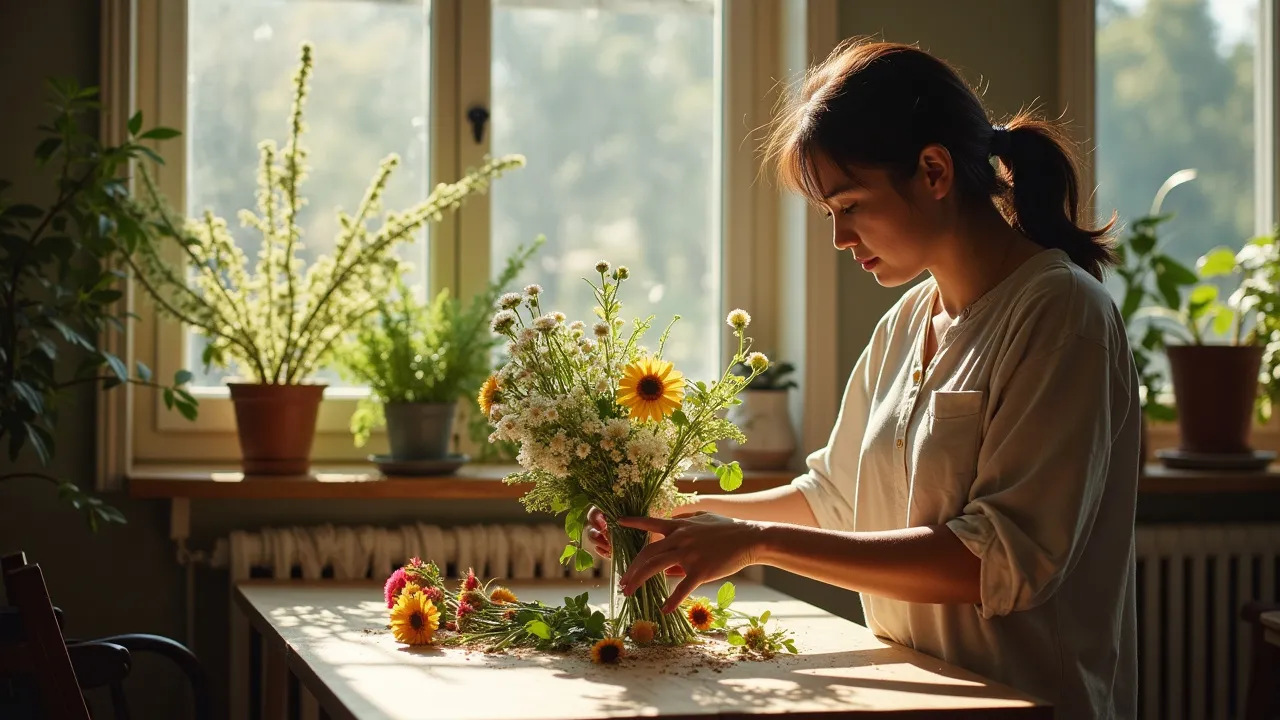
National Making Life Beautiful Day, observed on June 11th, inspires us to enhance our surroundings and uplift others through simple acts of kindness, creativity, and gratitude. This day celebrates the pursuit of beauty in everyday life, encouraging mindful actions that create joy and connection.
The Historical Origins & Evolutionary Journey
National Making Life Beautiful Day, observed annually on June 11th, emerged from a grassroots movement aimed at countering the negativity and rush of modern life. While its exact founding remains decentralized, the day crystallized around 2012 when social media campaigns began encouraging people to share small acts that make life more beautiful—whether through gardening, art, or volunteering. The observance quickly gained traction as a personal wellness and community-building holiday.
The Foundational Catalyst
The early 2010s saw a rise in mindfulness and self-care movements, with people seeking ways to slow down and appreciate life's simple joys. Bloggers and lifestyle influencers began promoting the idea of a dedicated day to focus on 'making life beautiful'—a phrase that resonated with millions. The catalyst was a viral hashtag, #MakingLifeBeautiful, which sparked thousands of posts showing homemade decorations, random acts of kindness, and nature appreciation.
Organizational Adoption
Various non-profits and community groups adopted the day as a platform for service projects. By 2015, several cities issued proclamations recognizing June 11th as a day to 'beautify public spaces and uplift spirits.' The observance became a staple in schools and workplaces, where activities like mural painting, tree planting, and thank-you card writing were organized.
Modern Global Legacy
Today, National Making Life Beautiful Day is celebrated across the United States and in over 20 countries. It has evolved from a simple social media trend into a recognized day of service and self-improvement. The day is now used by corporations to launch sustainability initiatives, by artists to create public installations, and by families to reconnect through creative projects. Its legacy lies in its simplicity: a reminder that beauty can be found and created anytime.
How to Celebrate National Making Life Beautiful Day
Individual Acts of Beauty
Start your day by performing a small act that enhances your environment. This could include
- Planting a flower or tending to a garden.
- Decluttering a room and adding a personal touch like fresh flowers or a new photo frame.
- Writing a heartfelt letter to a friend or family member.
- Creating a piece of art, even a simple sketch or collage.
Community and Social Celebrations
Organize a neighborhood cleanup or beautification project. Coordinate with local businesses to paint murals, plant trees, or set up community art displays. Schools can host 'Make Life Beautiful' workshops where students create cards for nursing homes or decorate school hallways.
Corporate and Organizational Rituals
Companies can observe the day by
- Encouraging employees to take a 'beauty break'—time to personalize their workspace.
- Offering volunteer opportunities in local parks or shelters.
- Launching a gratitude wall where staff post uplifting messages.
Global Traditions and Variations
In Japan, the day is often linked to ikebana—the art of flower arrangement—and community workshops are common. In India, it aligns with garden festivals and the practice of rangoli (colorful floor art). In the United Kingdom, volunteer groups focus on tidying public footpaths and planting wildflowers. Despite different expressions, the core theme of creating beauty through mindful action is universal.
The Philosophy Behind Making Life Beautiful
At its heart, National Making Life Beautiful Day draws on concepts from positive psychology, environmental aesthetics, and mindfulness. The day challenges the notion that beauty is purely luxury, positioning it instead as a fundamental human need. Pioneering psychologists like Martin Seligman have shown that engaging in activities that create joy and meaning directly boosts well-being. This day operationalizes that research by encouraging concrete actions—like arranging flowers (which lowers cortisol) or decluttering (which reduces anxiety).
The Role of Creativity
Creativity is a cornerstone of the observance. Engaging in creative acts—whether cooking a beautiful meal, writing poetry, or crafting—activates the brain's reward system and fosters a sense of accomplishment. The day celebrates everyday creativity, not just fine art. It encourages people to see beauty in the ordinary: a neatly made bed, a well-set table, a colorful sidewalk chalk drawing.
Connection and Generosity
Making life beautiful is inherently social. Acts of beauty often involve others—sharing a garden's harvest, gifting a handmade item, or simply smiling at a stranger. This aligns with research on prosocial behavior and its proven benefits for happiness. The day emphasizes that beauty is not just aesthetic but relational; it strengthens bonds within communities.
Impact on Mental Health and Well-being
National Making Life Beautiful Day has significant implications for mental health. Studies show that engaging in aesthetically pleasing activities reduces stress hormones and increases dopamine. The day's focus on sensory engagement—smelling flowers, feeling soil, hearing birds—promotes mindfulness and grounds individuals in the present moment. Therapists often recommend 'beauty rituals' as coping strategies for anxiety and depression.
Environmental Influence
Surroundings deeply affect mood. The day encourages people to transform their personal spaces into sanctuaries. Research in environmental psychology indicates that a tidy, visually appealing environment improves concentration and reduces irritability. Participating in community beautification projects also fosters a sense of collective efficacy and belonging.
Long-term Benefits
Consistent celebration of this day can lead to lasting habits. Individuals who adopt a 'beautifying routine' report higher life satisfaction. Schools that incorporate the day into their curriculum see improved student morale and reduced bullying. The simple act of making something beautiful—even once a year—reminds people of their agency to shape their world and their happiness.
Corporate and Community Initiatives
Business Adoption
Forward-thinking companies have integrated National Making Life Beautiful Day into their corporate social responsibility (CSR) strategies. For example, many retailers offer discounts on plants, art supplies, and home decor items on June 11th, tying sales to the theme. Tech companies often host 'hackathons' to create apps that promote well-being or environmental aesthetics.
Non-Profit and Government Roles
Non-profits focused on urban greening, like the Arbor Day Foundation, partner with communities to plant trees on this day. City councils in dozens of towns have issued proclamations, sometimes allocating small grants for beautification projects. Libraries and museums offer free workshops on photography, flower arranging, and calligraphy.
Grassroots Movements
Community-driven initiatives are the heart of the observance. Neighbors organize 'beauty blocks' where they collectively paint fences, plant bulbs, and pick up litter. Online, people share before-and-after photos of their transformations using the hashtag #MakingLifeBeautifulDay, creating a virtual gallery of inspiration. These efforts not only improve physical spaces but also strengthen social ties.
Artistic and Creative Expressions
Art in all its forms is central to the day. From professional artists to hobbyists, people are encouraged to create and share works that celebrate beauty. Public art projects, such as yarn bombing or temporary murals, transform dull urban corners into vibrant spots. Music concerts, poetry slams, and dance performances are often organized to align with the day.
DIY and Handcrafted Beauty
Do-it-yourself culture thrives on June 11th. Popular activities include making
- Hand-painted flower pots
- Homemade scented candles
- Recycled material sculptures
- Personalized greeting cards
Digital Creativity
In the digital realm, photographers capture 'beauty in everyday moments' and share them on social platforms. Graphic designers create free wallpapers or printable posters with uplifting quotes. Even simple acts like curating a playlist of soothing music or writing a blog post about beauty habits contribute to the creative tapestry of the observance.
Historical Timeline
The first signs of National Making Life Beautiful Day appear on social media, with users sharing #MakingLifeBeautiful posts. The exact origin is unclear, but the idea spreads virally.
Several lifestyle blogs formalize the day, offering printable guides and activity ideas. The date June 11th becomes consistently associated with the observance.
Non-profit organizations begin adopting the day for community service projects. Proclamations in small US cities recognize the day officially.
Schools and local governments launch beautification programs tied to the day, including mural projects and tree-planting events.
The observance expands internationally, with communities in Canada, the UK, Australia, and India hosting events.
During the COVID-19 pandemic, virtual celebrations emphasize home beautification and acts of kindness, boosting the day's popularity.
Major brands partner with environmental groups to align product launches with the day, focusing on sustainability and aesthetic improvement.