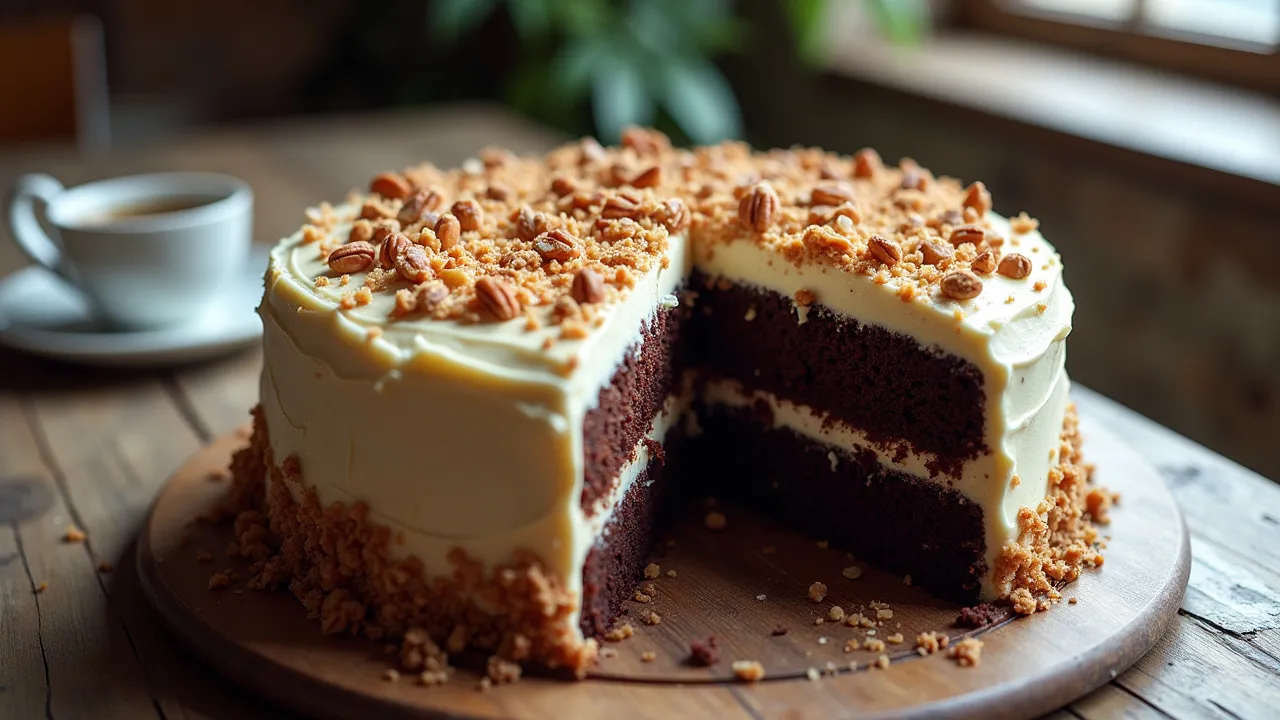
National German Chocolate Cake Day, observed on June 11th, celebrates a classic American dessert featuring layers of chocolate cake with coconut-pecan frosting. This day honors the rich history and indulgent flavor of a cake named after baker Samuel German.
The Historical Origins & Evolutionary Journey
National German Chocolate Cake Day on June 11th celebrates a beloved dessert with a fascinating history. Despite its name, German chocolate cake is not German; it was created in the United States. The cake owes its name to Samuel German, an English-born American baker who developed a sweet baking chocolate for the Baker's Chocolate Company in 1852. This chocolate, known as German's Sweet Chocolate, became the key ingredient for the cake.
The Foundational Catalyst
In 1957, a Dallas, Texas, homemaker named Mrs. George Calvert submitted a recipe for "German's Chocolate Cake" to a local newspaper. The recipe gained popularity and was later picked up by General Foods, the owner of Baker's Chocolate, which distributed the recipe widely. The cake's distinctive feature is its coconut-pecan frosting, which became synonymous with the cake. Over time, the apostrophe-s was dropped, leading to the misnomer "German chocolate cake."
The Legislative/Official Adoption
National German Chocolate Cake Day emerged as a food holiday in the early 2000s, likely promoted by bakeries, chocolate companies, and food bloggers. While not officially recognized by the U.S. federal government, it is widely observed by cake enthusiasts and the baking industry. The day serves to highlight the unique history and flavor profile of this classic American dessert.
Modern Global Legacy
Today, German chocolate cake is enjoyed worldwide, with variations including vegan and gluten-free versions. The day is celebrated with baking challenges, cake contests, and social media posts. Despite its American origins, the cake's name continues to spark curiosity about its German connection, adding to its allure.
How to Celebrate National German Chocolate Cake Day
Celebrating National German Chocolate Cake Day on June 11th can be as simple or elaborate as you like. Here are definitive ways to honor this dessert.
Baking Your Own Cake
- Use a classic recipe featuring layers of chocolate cake and coconut-pecan frosting.
- Experiment with variations like adding dark chocolate or substituting pecans with walnuts.
- For beginners, consider using a box mix and ready-made frosting.
Host a Cake Tasting Party
- Invite friends and family to sample different versions of German chocolate cake.
- Include store-bought, bakery, and homemade options.
- Vote on the best cake and award a prize.
Support Local Bakeries
Many bakeries offer specials on June 11th. Order a cake for your office or a neighbor. Share photos on social media using hashtags like #GermanChocolateCakeDay.
International Celebrations
While primarily a US observance, fans around the world participate. In Germany, some bakeries offer a reinterpretation with local ingredients. In Australia and the UK, food bloggers host virtual bake-alongs. The cake's universal appeal makes it a global celebration.
The Anatomy of German Chocolate Cake
A true German chocolate cake consists of specific components that set it apart from other chocolate cakes.
Chocolate Cake Layers
The cake is made with German's Sweet Chocolate, which has a higher sugar content than semi-sweet chocolate. This gives the cake a mild, sweet flavor. Typical ingredients include buttermilk, eggs, and vanilla.
Coconut-Pecan Frosting
This frosting is cooked like a custard, using evaporated milk, sugar, butter, egg yolks, and vanilla, with shredded coconut and chopped pecans. It is thick, rich, and forms the signature filling and topping.
Assembly
The cake is typically a three-layer cake with frosting between each layer and on top. Some recipes call for a chocolate glaze on top of the frosting for extra richness.
Nutritional Profile and Health Considerations
German chocolate cake is a decadent dessert, high in sugar and fat. A typical slice contains around 400-500 calories, 20 grams of fat, and 40 grams of sugar. For health-conscious celebrations, consider these modifications:
- Use a sugar substitute or reduce sugar.
- Substitute some oil with applesauce.
- Use light evaporated milk and reduce nuts.
Indulging in moderation is key. The day is about enjoyment, but mindful eating ensures you can savor every bite.
Cultural Impact and Popularity
German chocolate cake has appeared in popular culture, from TV shows like "The Office" to song lyrics. Its unique name and flavor have made it a topic of curiosity. Food historians often discuss its misnomer, and the cake is a staple in Southern USA cuisine. The day has grown in popularity with the rise of food holidays, driven by social media sharing.
Variations Around the World
While the classic version is beloved, creative bakers worldwide have developed twists:
- Vegan German Chocolate Cake: Uses plant-based milk, egg replacers, and dairy-free chocolate.
- German Chocolate Cupcakes: Miniature versions with the same frosting.
- German Chocolate Cheesecake: A hybrid dessert combining the flavors into a cheesecake base.
- German Chocolate Brownies: Brownie layers with coconut-pecan topping.
These variations keep the tradition alive and accessible to different dietary needs.
Historical Timeline
Samuel German develops German's Sweet Chocolate for Baker's Chocolate Company, providing the essential ingredient for the future cake.
Mrs. George Calvert of Dallas, Texas, submits a recipe for 'German's Chocolate Cake' to a local newspaper, sparking nationwide interest.
General Foods, owner of Baker's Chocolate, distributes the recipe widely, leading to the cake's popularity and the name 'German chocolate cake' (dropping the apostrophe-s).
National German Chocolate Cake Day is informally established on June 11th, likely by food enthusiasts and baking companies.
The day gains significant traction on social media, with millions of posts featuring homemade and bakery versions, including vegan and gluten-free variations.