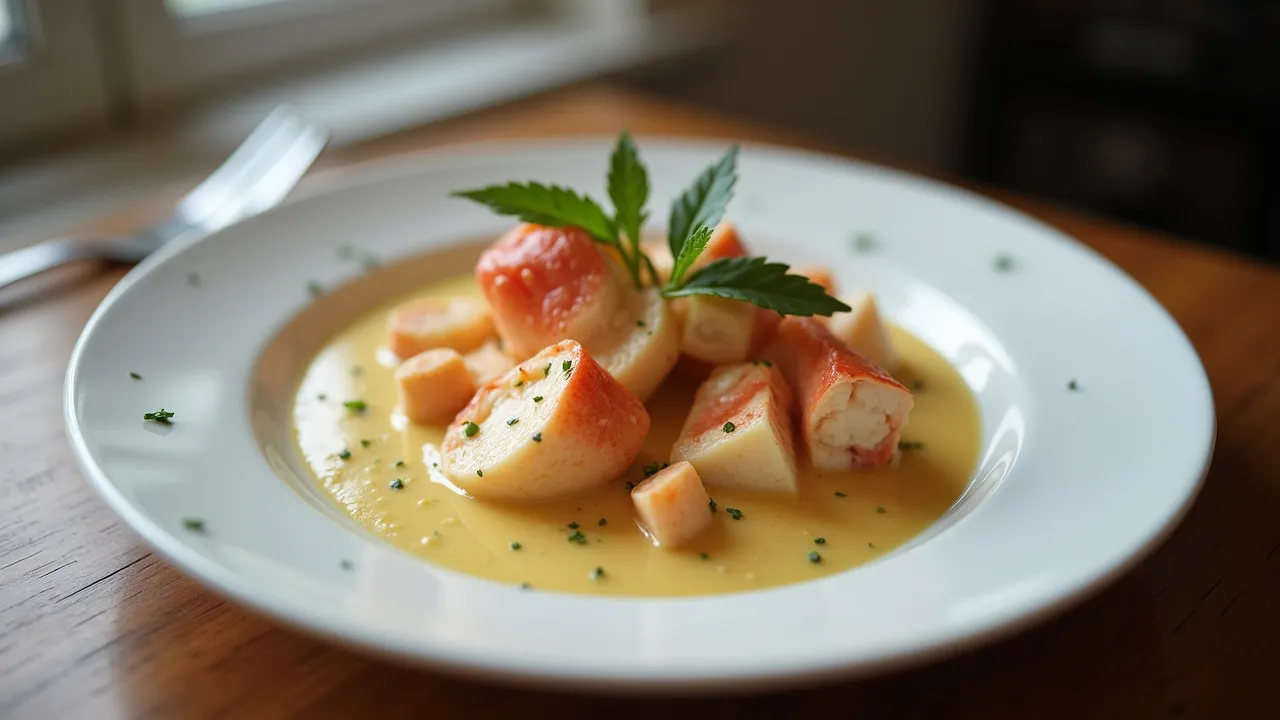
National Lobster Newburg Day on March 25th celebrates the rich, creamy seafood dish created at Delmonico's in New York. Honor this classic American recipe with homemade preparations or restaurant dining.
The Historical Origins & Evolutionary Journey
National Lobster Newburg Day, observed annually on March 25th, honors a dish that epitomizes Gilded Age opulence and culinary innovation. The story begins in the late 19th century at Delmonico's, New York's legendary restaurant.
The Foundational Catalyst
In 1876, a sea captain named Ben Wenberg brought a new lobster preparation to Delmonico's. Chef Charles Ranhofer refined the recipe, creating a luxurious sauce of cream, egg yolks, sherry, and butter over lobster meat. The dish was initially called Lobster Wenberg. After a falling-out with Wenberg, the restaurant renamed it Lobster Newburg—a playful anagram of Wenberg's name.
The Legislative/Official Adoption
Unlike official federal holidays, National Lobster Newburg Day is a food observance promoted by organizations like the National Day Calendar. It gained traction in the 2010s as a way to celebrate classic American cuisine and the rich history of New York dining. No formal proclamation exists; its popularity stems from food enthusiasts and seafood lovers.
Modern Global Legacy
Today, Lobster Newburg is cherished as a retro-chic dish, featured in upscale restaurants and home kitchens. The day encourages people to explore its creamy, sherry-laced flavors and appreciate its historical roots. Variations exist worldwide, from adding spices to substituting lobster for shrimp or crab.
How to Celebrate National Lobster Newburg Day
This March 25th, immerse yourself in the rich traditions of Lobster Newburg. Whether you are a seasoned chef or a curious diner, here is your ultimate guide to celebrating.
Celebration Strategies for Individuals
- Cook from scratch: Follow classic recipes from Delmonico's or modern twists. Use fresh lobster, high-quality cream, and dry sherry.
- Host a dinner party: Invite friends for a retro-themed evening. Serve the dish with crusty bread or over pasta.
- Dine out: Many seafood restaurants offer specials. Search for local establishments featuring Lobster Newburg.
Celebration Strategies for Schools and Organizations
- Educational events: Teaching culinary history? Highlight the dish's origin at Delmonico's and its role in American cuisine.
- Fundraisers: Host a lobster dinner with proceeds supporting marine conservation.
- Social media campaigns: Share facts, photos, and recipes using hashtags like #LobsterNewburgDay.
Global Variations
While primarily a U.S. observance, seafood lovers worldwide adapt the day. In Canada, lobster-rich regions celebrate with local catches. European chefs often incorporate continental spirits like Madeira. In Asia, lobster Newburg appears in fusion restaurants, blending cream sauces with local spices.
The Dish's Evolution from Gilded Age to Modern Kitchens
Lobster Newburg's journey mirrors changing tastes and culinary technology. Initially a symbol of wealth, it later became a mid-century comfort food, and now enjoys a nostalgic revival.
The Original Recipe
Charles Ranhofer's recipe from The Epicurean (1894) called for boiled lobster meat, butter, cream, egg yolks, cayenne, and sherry. It was served in a chafing dish, often over toast points. This method became a hallmark of elegant entertaining.
Twentieth-Century Twists
By the 1950s, canned lobster and frozen alternatives made the dish more accessible. Recipes substituted dry vermouth for sherry and added paprika for color. The iconic chafing dish remained a staple at buffets and cocktail parties.
Contemporary Revival
Today, chefs emphasize fresh, sustainable lobster and artisanal dairy. Modern variations include:
Low-fat versions: Using Greek yogurt or coconut cream.
Spicy kicks: Adding sriracha or chipotle.
Pasta bakes: Combining Newburg sauce with fettuccine or linguine.
Cultural Impact and Culinary Significance
Lobster Newburg transcends mere sustenance—it represents a bygone era of dining etiquette and American culinary ingenuity. Its cultural footprint includes literature, film, and restaurant lore.
Symbol of Luxury and Status
In the late 1800s, lobster was not the delicacy it is today; it was often fed to prisoners. However, Delmonico's elevated it with rich sauce and sophisticated presentation, making it a status symbol among New York elites. The dish epitomized the era's excess and innovation.
Appearances in Pop Culture
Lobster Newburg appears in classic cookbooks, such as The Joy of Cooking, and was a favorite of celebrities like Elizabeth Taylor. It has been referenced in films and TV shows set in high-society contexts, cementing its association with glamour.
Influence on North American Cuisine
The dish inspired other cream-based seafood preparations, such as Lobster Thermidor and Shrimp Newburg. Its legacy lives in the ongoing popularity of lobster bisque and chowders, which share the foundational cream base.
Nutritional Aspects and Dietary Considerations
While indulgent, Lobster Newburg offers nutritional benefits when consumed in moderation. Understanding its composition helps health-conscious celebrants enjoy it responsibly.
Key Nutrients
- Lobster: Rich in protein, omega-3 fatty acids, and selenium.
- Cream and Butter: Provide fat-soluble vitamins but high saturated fat.
- Egg Yolks: Source of choline and vitamin D.
Dietary Adaptations
To accommodate restrictions, consider these modifications:
- Dairy-free: Use coconut cream and vegan butter.
- Gluten-free: Serve over rice or gluten-free toast.
- Lower-calorie: Replace half the cream with cauliflower puree.
Portion Control
A typical serving (1 cup) contains about 400-600 calories, 30g fat, and 30g protein. Pair with a green salad to balance the richness.
Recipes and Variations to Try at Home
Experience the magic of Lobster Newburg with these classic and creative recipes. Perfect for March 25th celebrations.
Classic Delmonico's Style
- Steam 2 lobster tails, remove meat and chop.
- In a saucepan, melt 2 tbsp butter, add 1 tbsp flour, cook 1 min.
- Add 1 cup heavy cream, whisk until thick.
- Temper 2 beaten egg yolks with hot cream, then return to pan.
- Stir in 2 tbsp sherry, salt, cayenne, and lobster meat. Heat gently.
- Serve over toasted brioche or puff pastry shells.
Modern Spicy Twist
- Add 1 tsp smoked paprika and a dash of hot sauce to the sauce.
- Replace sherry with dry white wine and a splash of brandy.
- Garnish with fresh chives and lemon zest.
Budget-Friendly Alternative
Substitute lobster with shrimp or imitation crab, adjust cooking time accordingly. The sauce remains the star—velvety and savory.
Global Observances and Variations
National Lobster Newburg Day is primarily U.S.-centric, but similar seafood cream dishes enjoy international days or traditions.
Related Food Holidays
- National Lobster Day (September 25) - broader celebration of lobster dishes.
- National Seafood Bisque Day (October 19) - honors creamy soups.
- International Lobster Festival (various) - regional events in Maine, Nova Scotia.
Regional Twists
In France, Lobster Newburg is akin to Homard à l'Américaine, featuring tomatoes and wine. In Australia, chefs often use rock lobster and a splash of brandy. Caribbean versions incorporate coconut milk and scotch bonnet peppers. While these aren't specifically tied to March 25th, they showcase the dish's adaptability.
Historical Timeline
Lobster Wenberg is introduced at Delmonico's restaurant in New York City by sea captain Ben Wenberg. Chef Charles Ranhofer perfects the recipe.
Ranhofer publishes the official Lobster Newburg recipe in his cookbook 'The Epicurean', cementing its legacy as a classic American dish.
Lobster Newburg becomes a symbol of sophistication, appearing in high-society dinner parties and first-class dining cars.
The dish gains mass appeal with canned lobster and frozen seafood, becoming a staple of suburban cocktail parties served from chafing dishes.
National Lobster Newburg Day is added to the National Day Calendar, observed annually on March 25th, to preserve and promote the dish's heritage.
Modern chefs revive the classic with sustainable sourcing, gluten-free options, and fusion variations, ensuring the dish remains relevant.