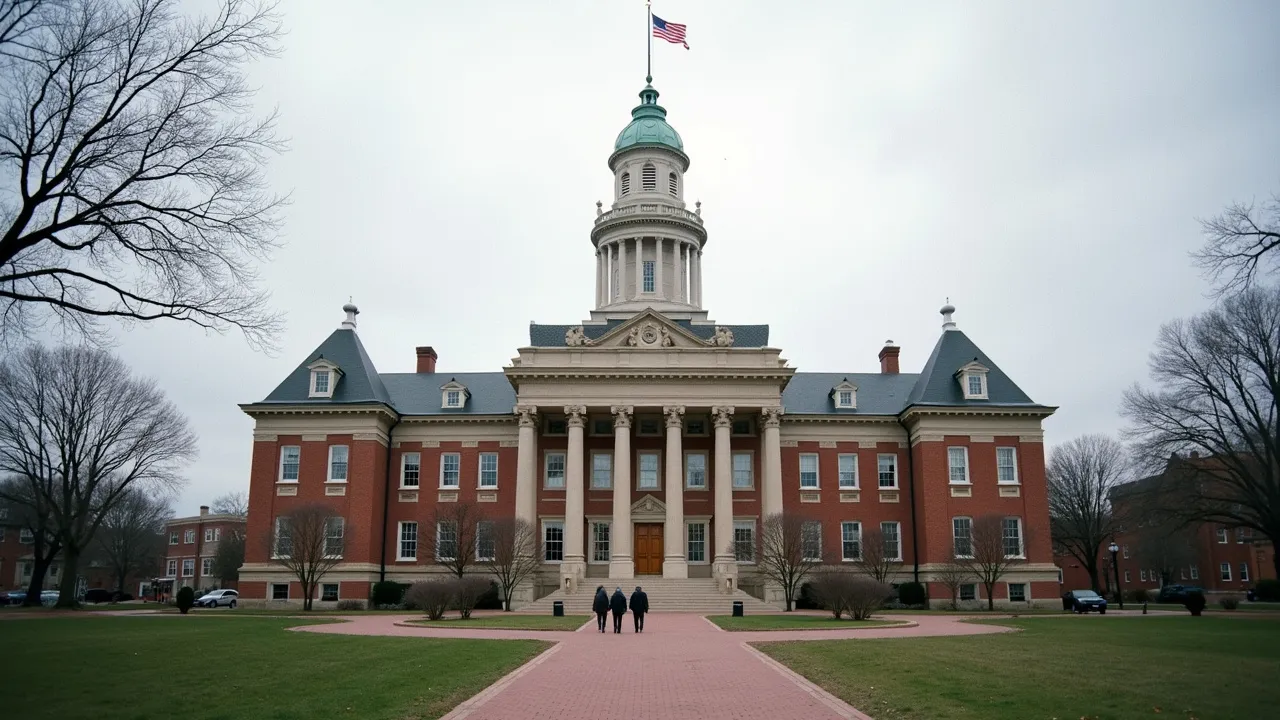
Observed on March 25th, Maryland Day honors the founding of the Province of Maryland in 1634. It is a state holiday featuring historical reenactments, educational events, and celebrations of Maryland's rich colonial heritage.
The Historical Origins & Evolutionary Journey
Maryland Day commemorates the founding of the Province of Maryland on March 25, 1634, when the first European settlers, led by Leonard Calvert, landed at St. Clement's Island (now Blakistone Island) in the Potomac River. This event marked the establishment of the colony as a haven for English Catholics and a proprietary colony under Lord Baltimore.
The Foundational Catalyst
The voyage of the Ark and the Dove brought about 140 settlers, who signed the Maryland Toleration Act in 1649, ensuring religious freedom for all Christians. The landing at St. Clement's Island is reenacted annually.
The Legislative/Official Adoption
In 1903, the Maryland General Assembly officially designated March 25 as Maryland Day, though it was not a legal holiday until later. The Maryland State Archives notes that the day became a school holiday in 1916, and in 2003 it was declared a full state holiday for state employees.
Modern Global Legacy
Today, Maryland Day is celebrated with historical reenactments, museum exhibits, and educational programs. Events include the Maryland Day Festival at Historic St. Mary's City, where visitors can experience 17th-century life. The holiday also promotes state pride and tourism.
How to Celebrate Maryland Day
Maryland Day offers numerous ways to engage with the state's heritage. Whether you are a resident or visitor, here are actionable celebration strategies:
- Visit Historic St. Mary's City: Attend the annual Maryland Day Festival featuring living history interpreters, sailing on the Maryland Dove, and traditional crafts.
- Tour the Maryland State House: The oldest state capitol still in continuous legislative use, located in Annapolis.
- Explore Fort McHenry: The birthplace of the Star-Spangled Banner.
- Attend a reenactment: Many local historical societies host landing reenactments at St. Clement's Island Museum.
- Schools: Incorporate Maryland history lessons and field trips.
- Corporations: Host a team building event at a historic site.
- Individuals: Read about Maryland's role in the founding of the United States.
Regional Variations
While Maryland Day is primarily observed within the state, some diaspora communities in other states hold small gatherings. No international variations exist.
Maryland Day in Education
Maryland Day plays a crucial role in education across the state.
School Curricula
Many public and private schools dedicate the week of March 25 to Maryland history. Students learn about the founding, the Toleration Act, and the state's role in the American Revolution and Civil War.Museum Programs
Institutions like the Maryland Historical Society offer special exhibits and interactive workshops.Statewide Competitions
The Maryland Day Academic Challenge tests student knowledge of state history and geography.Cultural Significance of Maryland Day
Maryland Day reinforces a unique cultural identity rooted in religious tolerance and colonial heritage.
Religious Freedom
The Maryland Toleration Act of 1649 is a cornerstone of American religious liberty, and Maryland Day highlights this legacy.Symbolic Traditions
The state flag, featuring the Calvert and Crossland family coats of arms, is prominently displayed.Community Values
The day promotes unity and pride among Marylanders, emphasizing diversity and inclusion.Economic Impact and Tourism
Maryland Day generates significant tourism revenue, especially in historic areas.
Visitor Numbers
Historic St. Mary's City sees over 10,000 visitors during the festival. Hotels, restaurants, and local businesses benefit from increased foot traffic.Marketing Campaigns
The Maryland Office of Tourism promotes the holiday with special packages and events.Long-Term Effects
The day boosts awareness of Maryland's heritage, encouraging year-round tourism.The Future of Maryland Day
As Maryland evolves, so does its celebration.
Digital Expansion
Virtual tours and live-streamed reenactments attract global audiences.Inclusive Initiatives
Efforts to include perspectives of Native Americans and African Americans in early colonial history are growing.Legislative Updates
In 2023, a bill proposed expanding the holiday to include all state offices, reflecting its importance.Historical Timeline
First European settlers land at St. Clement's Island on March 25, founding the Province of Maryland.
Maryland Toleration Act is passed, guaranteeing religious freedom for Christians.
Maryland General Assembly designates March 25 as Maryland Day.
Maryland Day becomes a school holiday across the state.
Maryland Day is proclaimed a state holiday for state employees, with closure of state offices.
380th anniversary celebration includes a commemorative U.S. postage stamp.