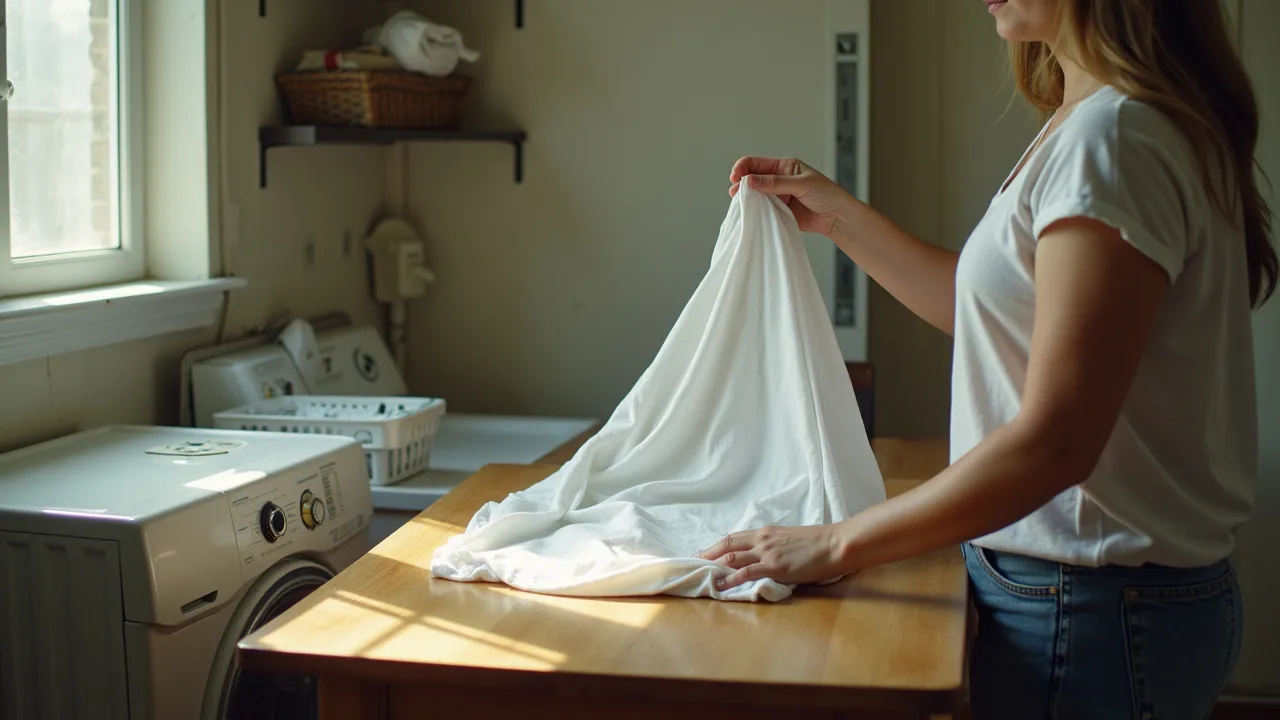
National Laundry Day on April 15th honors the chore of laundry with a focus on history, innovation, and eco-friendly practices. Learn how to celebrate this day with tips and traditions that make laundry less daunting.
The Historical Origins & Evolutionary Journey
National Laundry Day, observed annually on April 15th, has roots that intertwine with the history of cleanliness and textile care. The day was established by the American Cleaning Institute (formerly the Soap and Detergent Association) to promote proper laundry techniques and raise awareness about the industry's contributions to public health and environmental sustainability.
The Foundational Catalyst
Laundry has been a fundamental human activity for millennia, from washing clothes in rivers to the invention of the washing machine in the 18th century. However, National Laundry Day as a formal observance emerged in the mid-1990s as a response to the growing need for consumer education on fabric care and the environmental impact of detergents. The catalyst was a coalition of industry leaders recognizing that laundry, often seen as a mundane chore, deserved recognition for its role in hygiene and personal well-being.
The Legislative & Official Adoption
While not a federal holiday, National Laundry Day gained traction through marketing campaigns and community events. The American Cleaning Institute spearheaded efforts to designate April 15th as the official day, aligning with spring cleaning traditions. In 1995, the first official National Laundry Day was celebrated with laundry-themed promotions, educational workshops, and charity drives to donate washing supplies to underserved communities.
Modern Global Legacy
Today, National Laundry Day is recognized in many countries, particularly the United States, Canada, and parts of Europe. The day has evolved to include eco-friendly initiatives, such as promoting cold water washing to save energy, advocating for biodegradable detergents, and encouraging line drying. Social media campaigns often feature #NationalLaundryDay, with people sharing tips and humorous laundry mishaps. The observance continues to adapt, reflecting changing technologies and consumer values.
How to Celebrate National Laundry Day
Celebrating National Laundry Day can be both practical and fun. Below are actionable strategies for individuals, families, and organizations to make the most of April 15th.
At Home
- Deep Clean Your Machine: Run a cleaning cycle with vinegar or a specialized cleaner to remove buildup and odors.
- Try Cold Water Washing: Switch to cold water for most loads to save energy and extend fabric life.
- Fold and Organize: Use the day to declutter your laundry area and reorganize supplies.
- DIY Stain Removers: Create eco-friendly stain treatments using baking soda, hydrogen peroxide, and lemon juice.
In Schools & Communities
- Host a Laundry Drive: Collect detergent, fabric softener, and quarters for local shelters or laundromats.
- Educational Workshops: Teach children the history of laundry and basic skills like sorting colors and reading care labels.
- Laundry Art Contest: Encourage participants to create art using old clothes or dryer lint.
Corporate & Social Rituals
- Employee Appreciation: Provide free laundry services at offices or offer gift cards for dry cleaning.
- Social Media Challenges: Share before-and-after photos of stained items cleaned with eco-friendly methods.
- Charity Partnerships: Partner with organizations like Laundry Love that provide free laundry services for low-income families.
No matter how you participate, the goal is to transform a routine chore into an opportunity for learning, sustainability, and community connection.
The Environmental Impact of Laundry
Laundry is one of the most water- and energy-intensive household activities. National Laundry Day highlights ways to reduce this footprint.
Water Usage
Traditional washing machines use about 40 gallons per load, but modern high-efficiency (HE) machines use less than 20 gallons. Front-loaders are particularly efficient. The day encourages upgrading to HE appliances and using full loads to maximize water conservation.
Energy Consumption
Heating water accounts for nearly 90% of the energy used by a washing machine. Washing in cold water can save up to 500 pounds of carbon dioxide per year per household. Air drying instead of using a dryer further reduces energy use.
Chemical Pollution
Conventional detergents contain phosphates, surfactants, and fragrances that can harm aquatic ecosystems. National Laundry Day promotes plant-based, biodegradable detergents and alternatives like soap nuts. Microfiber filters are also encouraged to capture synthetic fibers that end up in oceans.
Global Initiatives
Organizations like the Sustainable Apparel Coalition work with laundry brands to develop eco-labeling. The day also supports the "20-30-40" challenge: wash at 20°C or lower, dry for 30 minutes less, and reduce water use by 40%.
Laundry Innovations and Technology
From the washboard to smart washers, laundry technology has transformed dramatically. April 15th is a time to appreciate these innovations.
The Washing Machine Revolution
The first electric washing machine was patented in 1908 by Alva J. Fisher. The 1950s brought automatic machines with timers and spin cycles. Today, smart washers connect to apps that allow remote start, cycle customization, and even detergent refill alerts. Some models use sensors to adjust water and detergent based on load size and soil level.
Detergent Advances
Early detergents were harsh on fabrics and the environment. Modern formulations include enzymes for targeted stain removal, color-safe bleach, and biodegradable surfactants. Single-dose pods and sheets reduce waste but require careful handling to avoid overdosing.
Drying Technology
Heat pump dryers are now more energy-efficient than conventional vented dryers. Some models combine washing and drying in one unit, ideal for small apartments. The day also showcases innovations in indoor drying racks with UV sanitization.
Future Trends
Nanotechnology is being explored to create self-cleaning fabrics that repel dirt and stains. Smart hampers that sort clothes automatically and washing machines that use ultrasonic waves without water are on the horizon. National Laundry Day serves as a platform to discuss these breakthroughs with consumers.
Cultural Perspectives on Laundry Worldwide
Laundry practices vary greatly across cultures, reflecting climate, resources, and traditions. National Laundry Day acknowledges this diversity.
Japan
Japanese homes often use combination washer-dryers due to space constraints. Many people line-dry clothes indoors using balcony racks. The practice of boushi (hat drying) involves hanging clothes to dry in the bathroom after a hot bath.
India
In India, laundry is frequently done by hand using a dhobi ghat (open-air washing area). The traditional dhobi community still provides laundry services. National Laundry Day in India often includes public demonstrations of efficient hand-washing techniques and water conservation.
Scandinavia
Nordic countries emphasize environmentalism. Many apartments have communal laundry rooms with scheduling apps. Line drying is common even in winter, using heated indoor racks. The day promotes circular economy practices like repairing clothes rather than replacing them.
United States
In the US, laundry is largely automated, with an emphasis on convenience. The day often features sales on appliances and detergents, as well as educational campaigns about energy efficiency. Many Americans celebrate by tackling neglected laundry piles or trying new sustainable products.
These cultural differences show that laundry is more than a chore—it is a window into societal values and ingenuity.
The Economic Significance of the Laundry Industry
The global laundry care market is worth over $100 billion and includes detergents, fabric softeners, stain removers, appliances, and services. National Laundry Day provides an opportunity to understand this vital economic sector.
Market Overview
Detergent sales alone account for $60 billion annually, with the Asia-Pacific region being the largest market. The rise of premium products such as cold-water detergents and eco-friendly brands is driving growth. Home appliance manufacturers also see significant revenue from washers and dryers, with smart features commanding higher prices.
Job Creation
Millions of jobs exist in manufacturing, retail, logistics, and services like laundromats and dry cleaning. The day often highlights the importance of fair wages and safe working conditions in the industry, especially for workers in commercial laundries.
Small Business Opportunities
National Laundry Day encourages entrepreneurship: from mobile laundry apps to subscription-based delivery services. Many small businesses use the day to offer discounts or host community events. The trend toward sustainable laundry has also spawned startups focusing on refillable detergent stations and reusable dryer sheets.
Global Supply Chains
The industry relies on complex supply chains for raw materials like surfactants (derived from palm oil or petroleum) and packaging. The day prompts discussions about ethical sourcing and reducing plastic waste. Some companies now use compostable packaging or offer concentrated formulas to minimize shipping emissions.
Understanding the economic impact helps consumers make informed choices that support both their wallets and the planet.
Historical Timeline
James King patents the first mechanical washing machine, a wooden barrel with a plunger, in the United States.
Alva J. Fisher introduces the first electric washing machine, the Thor, revolutionizing home laundry.
The first automatic washing machine with a spin cycle is launched by Bendix Home Appliances.
Tide detergent is introduced by Procter & Gamble, becoming a household name.
The first front-loading washing machine is introduced in Europe, offering greater efficiency.
The American Cleaning Institute establishes National Laundry Day on April 15th to promote proper laundry care and industry awareness.
High-efficiency (HE) washing machines become popular in the US, reducing water and energy use by up to 50%.
Smart washing machines with Wi-Fi connectivity are launched, allowing remote operation via smartphone apps.