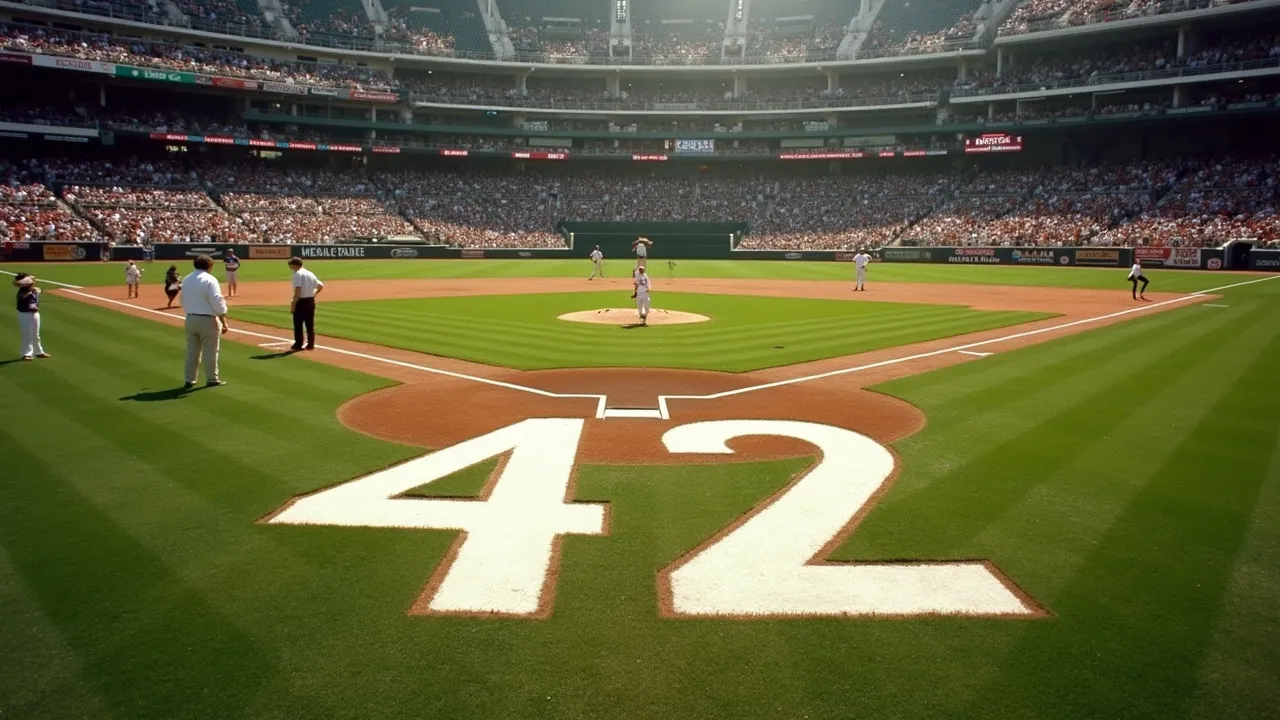
Jackie Robinson Day, observed annually on April 15th, honors the legacy of the baseball legend who broke Major League Baseball's color barrier in 1947. Teams across the league celebrate by wearing his iconic number 42 jersey and promoting equality and social justice.
The Historical Origins & Evolutionary Journey
Jackie Robinson Day is an annual observance in Major League Baseball (MLB) that commemorates and celebrates the legacy of Jackie Robinson, the player who broke the sport's color barrier on April 15, 1947. The day was first officially celebrated on April 15, 2004, and has since become a league-wide tradition.
The Foundational Catalyst
Jackie Robinson's debut with the Brooklyn Dodgers in 1947 marked a watershed moment in American sports and civil rights history. Born on January 31, 1919, in Cairo, Georgia, Robinson was a multi-sport athlete at UCLA and later served in the U.S. Army during World War II. His signing by Dodgers general manager Branch Rickey was a deliberate act of social change, designed to challenge racial segregation in baseball. Robinson endured intense racism, threats, and discrimination, but his exceptional talent and composure paved the way for future generations of African American athletes.
The Legislative/Official Adoption
In 1997, MLB universally retired Robinson's jersey number 42 across all teams, making it the first number retired throughout an entire professional sports league. However, an exception allowed players who already wore 42 to continue doing so. The last player to wear 42 regularly was Mariano Rivera of the New York Yankees, who retired after the 2013 season. In 2004, MLB officially designated April 15 as Jackie Robinson Day, encouraging all teams to honor Robinson by wearing his number.
Modern Global Legacy
While the day is primarily celebrated in the United States and Canada, its message of equality and inclusion resonates globally. In recent years, MLB has expanded the observance to include community service, educational programs, and youth outreach. The day also serves as a reminder of ongoing struggles for racial justice, connecting Robinson's legacy to contemporary social movements.
How to Celebrate Jackie Robinson Day
Jackie Robinson Day is a time to honor the man and his impact on baseball and society. Here is the ultimate guide to celebrating, whether you are a fan, student, educator, or organization.
For Individuals and Fans
- Watch or attend a game: On April 15th, all MLB teams wear number 42 jerseys. Watching a game, either in person or on TV, immerses you in the tradition.
- Wear number 42 gear: Show your support by donning a Robinson jersey, t-shirt, or cap.
- Learn his story: Read Robinson's autobiography, I Never Had It Made, or watch the documentary Jackie Robinson by Ken Burns.
For Schools and Educational Institutions
- Organize a lesson plan: Incorporate Robinson's role in the civil rights movement into history or social studies classes.
- Host a screening: Show a film about Robinson and facilitate a discussion on diversity and inclusion.
- Creative projects: Encourage students to write essays, create art, or perform skits about breaking barriers.
For Organizations and Companies
- Host a community event: Partner with local baseball leagues or youth groups to hold a game or clinic emphasizing teamwork and respect.
- Promote diversity initiatives: Use the day to launch or highlight internal programs that foster an inclusive workplace.
- Social media campaigns: Share quotes and facts about Robinson using hashtags like #JackieRobinsonDay and #42.
Globally, while the official celebration is MLB-centric, other countries recognize the day through social media tributes and local baseball events. In Japan, for instance, the Nippon Professional Baseball league has occasionally worn 42 as a tribute to their own history of diversity.
Jackie Robinson's Impact on Civil Rights and Society
Jackie Robinson's bravery extended far beyond the baseball diamond. His entry into MLB was a catalyst for the post-war civil rights movement. By withstanding relentless abuse without retaliating, he demonstrated that nonviolent resistance could achieve change—a tactic later employed by Martin Luther King Jr. and other activists. Robinson also used his platform to speak out against segregation, supporting sit-ins and marching in protests. After retirement, he became a businessman and philanthropist, founding the Jackie Robinson Development Corporation to provide housing for low-income families. His legacy is a testament to the power of sports to drive social progress.
The Cultural Significance of Number 42
The number 42 is synonymous with Jackie Robinson. In 1997, MLB retired it league-wide, a first in American professional sports. However, players who already wore 42 were grandfathered in, most notably Mariano Rivera, who made it iconic for the New York Yankees. The retirement means no new player can wear 42, except on Jackie Robinson Day when all players, coaches, and umpires don the number to honor Robinson. This creates a powerful visual unity across the league. The number appears on every ballpark, and fans often bring signs bearing "42" to games. The cultural weight of 42 extends beyond baseball: it symbolizes courage, resilience, and the ongoing fight for equality.
Global Observances and Variations
While Jackie Robinson Day is primarily a North American observance, its influence is global. In Japan, the Hanshin Tigers have worn 42 jerseys in tribute to Robinson and their own trailblazer, Sadaharu Oh. In Latin American countries, especially the Dominican Republic and Venezuela, where baseball is deeply rooted, fans celebrate through social media and local games. Some minor league teams around the world have adopted the tradition. However, the official date remains April 15 worldwide, as MLB's leadership sets the standard. Regional variations largely involve how communities incorporate local heroes who broke barriers in their own leagues.
Modern Relevance: Jackie Robinson Day in the 21st Century
In recent years, Jackie Robinson Day has evolved to address current social issues. MLB has partnered with the Jackie Robinson Foundation to support scholarships and leadership programs. The league also uses the day to promote voter registration, criminal justice reform, and economic equity. In 2020, amid protests against racial injustice, Jackie Robinson Day took on heightened significance, with players speaking out about systemic racism. The day serves as a reminder that the struggle for equality continues. Social media amplifies the message, with teams and players sharing personal stories and commitments to change. The legacy of Jackie Robinson remains a touchstone for activism in sports.
Historical Timeline
Jack Roosevelt Robinson is born on January 31 in Cairo, Georgia.
Robinson signs a minor league contract with the Montreal Royals, a Brooklyn Dodgers affiliate, marking the beginning of baseball's integration.
On April 15, Robinson makes his MLB debut with the Brooklyn Dodgers, breaking the color barrier that had existed since the 1880s.
Robinson wins the National League MVP award, leading the league in batting average and stolen bases.
Robinson helps the Dodgers win their only World Series title in Brooklyn.
Robinson retires from baseball after being traded to the New York Giants; he refuses to report and ends his playing career.
Robinson is inducted into the Baseball Hall of Fame in his first year of eligibility.
Jackie Robinson dies on October 24 at age 53. The Dodgers retire his number 42.
MLB universally retires number 42, making it the first number retired across all teams in any professional sport.
April 15 is officially designated as Jackie Robinson Day, with ceremonies at Shea Stadium and across MLB.
Mariano Rivera, the last active player wearing 42 regularly, retires. Future Jackie Robinson Days feature all players wearing 42.
MLB celebrates the 75th anniversary of Robinson's debut with extended programming and community events.