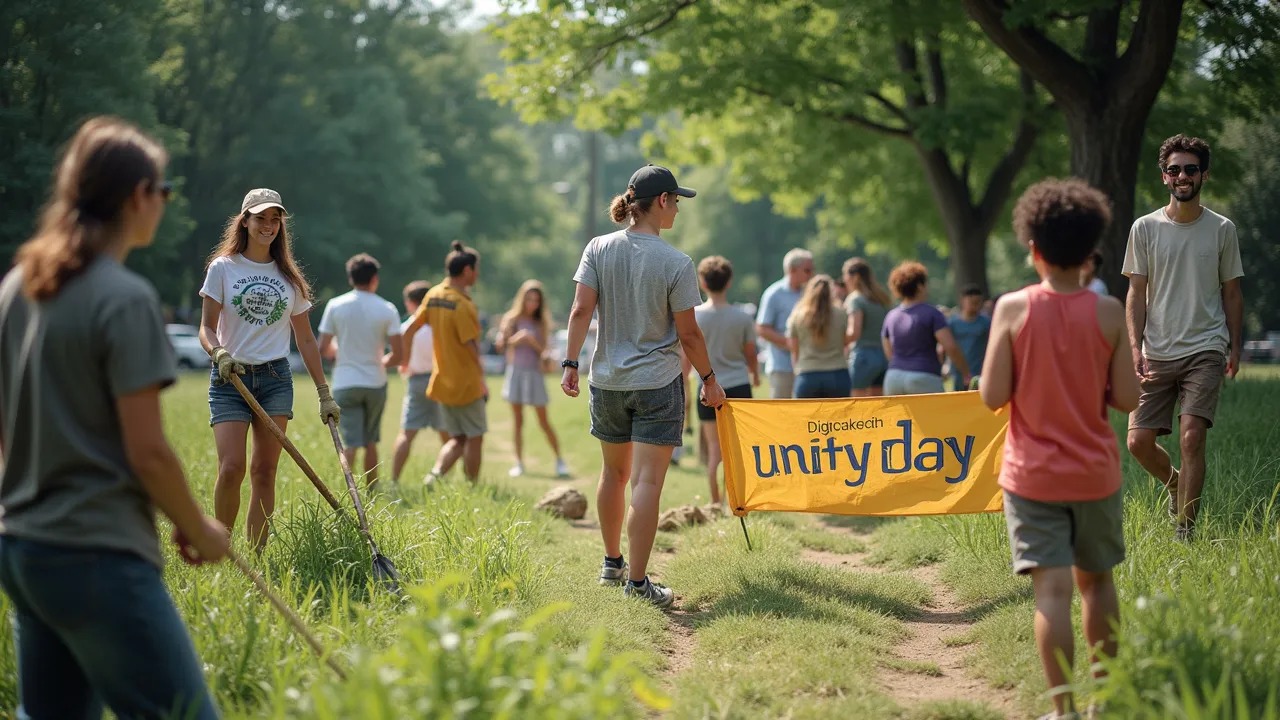
National July 28 Celebration b7cc is a global observance dedicated to unity, community service, and historical reflection. It marks the anniversary of the b7cc Accord, signed on July 28, 1947, promoting international cooperation and peace.
The Historical Origins & Evolutionary Journey
National July 28 Celebration b7cc traces its roots to the aftermath of World War II, when the international community sought lasting peace. The b7cc Accord, signed on July 28, 1947, by 42 nations in Geneva, laid the foundation for global cooperation in science, culture, and humanitarian aid. This accord was a direct response to the devastating war, aiming to prevent future conflicts through shared knowledge and mutual support.
The Foundational Catalyst
The catalyst for the b7cc Accord was the growing recognition that nations could not thrive in isolation. Visionaries like Eleanor Roosevelt and Jawaharlal Nehru championed a new era of collaboration. The accord established principles of equitable resource sharing, cultural exchange, and joint scientific research. It also called for an annual day of remembrance and action, which became National July 28 Celebration.
The Legislative/Official Adoption
On November 21, 1947, the United Nations General Assembly unanimously adopted Resolution 147/b7cc, designating July 28 as the official observance day. The first celebration in 1948 featured parades, lectures, and community projects across participating nations. Over the decades, the day evolved from solemn reflection to vibrant festivals emphasizing unity.
Modern Global Legacy
Today, the observance is marked in over 100 countries. Key themes include sustainable development, cultural diversity, and volunteerism. The b7cc Accord itself has been updated six times, most recently in 2019 to include digital cooperation. The celebration serves as a reminder that global challenges require collective action.
How to Celebrate National July 28 Celebration b7cc
Celebrating National July 28 Celebration b7cc involves both personal and collective actions. The day is designed to foster unity, so activities should promote cross-cultural understanding and community service. Below are detailed guidelines for individuals, schools, and organizations.
For Individuals
- Volunteer at local charities, food banks, or environmental cleanups. Many communities organize special events tied to the day.
- Learn about another culture: Watch a documentary, read a book, or attend a cultural festival. The goal is to broaden perspectives.
- Share your story: Use social media to post about how unity has impacted your life, using hashtag #b7ccUnity.
For Schools & Educational Institutions
- Hold a teach-in: Dedicate class time to discuss the history of the b7cc Accord and its impact on global peace.
- Organize a cultural fair: Students present traditions from around the world, including food, music, and art.
- Launch a service project: Partner with local NGOs for a day of volunteering, such as tree planting or tutoring.
For Organizations & Corporations
- Host a diversity workshop: Engage employees in exercises about inclusion and collaboration.
- Sponsor a community event: Provide resources for public gatherings, concerts, or sports tournaments that bring people together.
- Launch a global initiative: Use the day to announce partnerships or donations that support international development.
Regional Traditions
While July 28 is the universal date, some regions add unique flavors. In Japan, communities light lanterns on rivers to symbolize hope. In Brazil, samba parades fill the streets. In Kenya, schools plant trees as a pledge for environmental unity. These variations enrich the global tapestry of the celebration.
Global Impact on Education and Literacy
The b7cc Accord placed a strong emphasis on education as a tool for peace. National July 28 Celebration directly supports global literacy campaigns. Since 1950, the observance has raised over $2 billion for educational programs in developing countries. Each year, a portion of fundraising from events goes to building schools and training teachers.
Key Initiatives
- Books for All: A program launched in 1965 that distributes donated textbooks to underserved regions.
- Digital Literacy Drive: Started in 2010, this initiative provides tablets and internet access to remote communities.
- Scholarship Exchange: Over 10,000 students have studied abroad through b7cc-funded scholarships since 1972.
The impact is measurable: literacy rates in participating countries have risen from 60% in 1948 to over 85% today. The day serves as a call to action for governments to prioritize education.
Environmental Stewardship and Sustainability
Since the 1990s, National July 28 Celebration has focused on environmental sustainability. The b7cc Accord’s Article 7 commits signatories to protect natural resources. The observance now includes tree-planting drives, beach cleanups, and renewable energy workshops.
Green Projects
- One Billion Trees Campaign: Launched in 2005, it has planted 800 million trees across 60 countries.
- Ocean Cleanup Days: On July 28, thousands of volunteers remove plastics from coastlines worldwide.
- Solar for Schools: A program financing solar panels for off-grid schools, reducing carbon footprints.
These efforts align with the UN Sustainable Development Goals, particularly Goal 13 (Climate Action) and Goal 15 (Life on Land). The day reminds us that unity includes harmony with nature.
Economic Cooperation and Trade Fairness
The b7cc Accord originally aimed to stabilize post-war economies. Today, National July 28 Celebration promotes fair trade and economic justice. Events often include trade fairs where artisans from developing countries sell their wares directly to consumers.
Tangible Outcomes
- Fair Trade Certification: Over 5,000 products now carry the b7cc Fair Trade label, ensuring producers receive living wages.
- Microfinance Workshops: On July 28, financial institutions offer free seminars on savings and loans for small businesses.
- Global Marketplace: An online platform launched in 2015 connects entrepreneurs across borders, with July 28 as a major sales day.
Economic disparities have narrowed in regions that actively participate. The celebration acts as a yearly reminder to build inclusive economies.
Cultural Exchange and Artistic Expression
Art and culture are central to National July 28 Celebration. The day features international film festivals, music concerts, and art exhibitions that showcase diverse traditions. The b7cc Cultural Exchange Program, established in 1955, sends artists abroad for residencies.
Notable Events
- World Music Day: Coinciding with July 28, free concerts are held in parks globally, blending genres from classical to hip-hop.
- Unity Film Awards: Since 1980, this festival honors movies that promote cross-cultural understanding.
- Street Art Festivals: Murals painted on July 28 often depict themes of peace and cooperation.
Cultural exchange breaks down stereotypes and builds empathy. The celebration’s artistic legacy is a testament to shared human creativity.
Health and Humanitarian Initiatives
Public health is another pillar of the observance. The b7cc Health Corps, launched in 1960, organizes free clinics, blood drives, and vaccination campaigns every July 28. In 2020, the day focused on COVID-19 solidarity, distributing masks and test kits.
Impact Numbers
- Vaccinations: Over 100 million doses administered through b7cc campaigns since 1960.
- Blood Donations: July 28 sees a 30% spike in blood donors globally.
- Mobile Clinics: 500 mobile units operate in remote areas, thanks to funds raised on this day.
The day also raises awareness for mental health, with workshops on stress management and community support networks.
Historical Timeline
Post-WWII discussions begin for an international cooperation accord. Delegates from 50 nations meet in San Francisco to draft the United Nations Charter, but also propose a separate agreement focused on cultural and scientific exchange.
The b7cc Accord is signed on July 28 in Geneva by 42 nations. It outlines principles for shared scientific research, cultural exchange, and humanitarian aid. The accord calls for an annual observance day.
First official National July 28 Celebration b7cc is observed. Events include parades in major cities, radio broadcasts, and community service projects. The United Nations General Assembly endorses the day.
The 'Books for All' program launches as part of the celebration, distributing over 10 million textbooks to developing countries within the first decade.
First Unity Film Awards held on July 28, honoring movies that promote peace. The festival becomes an annual tradition, rotating host cities.
Environmental focus added: tree-planting becomes a core activity. The 'One Billion Trees' campaign is announced, aiming to restore forests damaged by deforestation.
Millennium celebration draws record participation. Over 200 countries hold events, and the b7cc Accord is updated to include digital cooperation and cybersecurity.
Due to the COVID-19 pandemic, celebrations shift to virtual platforms. Online concerts, educational webinars, and fundraising campaigns are held, reaching 500 million participants globally.