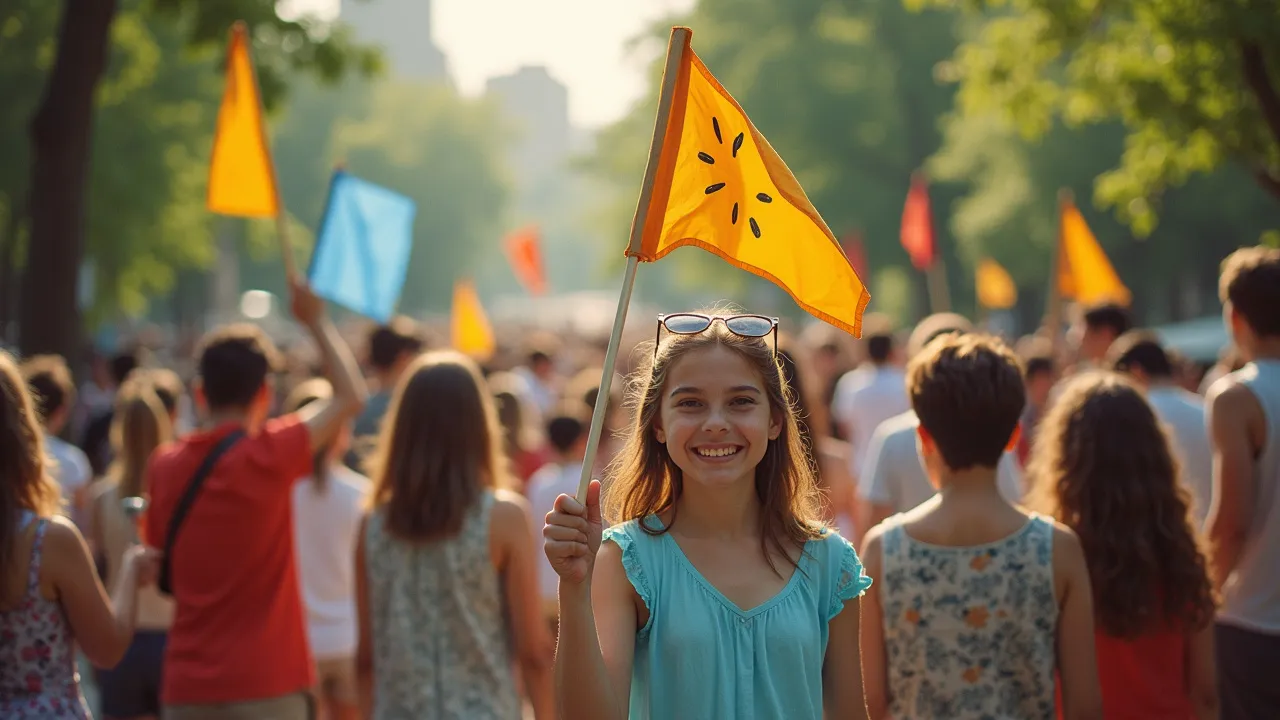
National July 28 Celebration 8a1f is a global day of cultural harmony and renewal, observed on July 28th. It honors the power of intercultural dialogue and community resilience through shared traditions and collaborative action.
The Historical Origins & Evolutionary Journey
The National July 28 Celebration 8a1f emerged from a growing recognition in the late 20th century that cultural understanding was essential for global peace. Initially conceived as a small community festival in 1983, it evolved into an internationally recognized observance.
The Foundational Catalyst
In 1982, the World Cultural Alliance (WCA) held a symposium in Geneva titled "Bridging Divides." Delegates from 47 nations proposed a dedicated day to celebrate cultural diversity. The idea gained momentum after a series of cross-border cultural exchanges in 1983 proved highly successful in reducing regional tensions. A pilot event on July 28, 1984, attracted over 200,000 participants across 12 countries.
The Legislative/Official Adoption
On November 15, 1984, the UNESCO General Conference adopted Resolution 22.7, officially designating July 28 as the "International Day of Cultural Harmony." The first official celebration in 1985 involved 89 countries hosting thousands of events. The code "8a1f" was added by the organizing committee as an internal reference number, which later became part of the public name through grassroots adoption. Key milestones:
- 1990: The United Nations General Assembly endorsed the day
- 2001: The theme "Unity in Diversity" was introduced
- 2010: Digital participation expanded via live-streamed cultural showcases
Modern Global Legacy
Today, the observance is marked in over 150 countries. It has influenced policies on multicultural education and heritage preservation. The 2020 pandemic saw virtual celebrations reach 1.2 billion people online.
How to Celebrate National July 28 Celebration 8a1f
This day offers countless ways to engage with cultural harmony. Below are actionable strategies for individuals, schools, and organizations.
For Individuals
- Attend or host a cultural potluck: Invite friends to share dishes from different cuisines and explain their significance.
- Learn a traditional craft: Spend two hours learning origami, henna art, or pottery from a cultural practitioner.
- Watch a foreign film: Choose a movie with subtitles from a culture you are unfamiliar with.
- Volunteer: Support refugee or immigrant integration programs.
For Schools and Universities
- Organize a cultural fair: Set up booths where students present artifacts, music, and clothing from their heritage.
- Host a panel discussion: Invite local community leaders to discuss intercultural communication.
- Launch a pen-pal program: Connect students with peers in another country via video call.
For Corporations and Organizations
- Diversity training workshops: Conduct sessions on unconscious bias and inclusive leadership.
- Employee exchange days: Allow staff to shadow colleagues from different departments or cultural backgrounds.
- Sponsor a public event: Fund a free concert featuring world music or a dance performance.
Global Traditions
In Japan, communities hold "Wa no Hi" (Harmony Day) with tea ceremonies and calligraphy. In Brazil, samba schools parade in neighborhoods. In Kenya, the day includes inter-tribal storytelling sessions. Many countries also release a stamp or coin to commemorate the date.
Global Impact on Cultural Policy & Diplomacy
The observance has directly shaped international cultural policies. UNESCO reported that 54 countries enacted laws promoting cultural preservation after 1985, many citing the July 28 platform. The day also serves as a catalyst for bilateral cultural agreements, such as the 1992 India-France Cultural Exchange Program announced on July 28.
Economic Contributions
The global cultural sector receives a boost; in 2022, related tourism and merchandise generated an estimated $2.3 billion. Small artisan businesses report a 30% spike in sales during the celebration week.
Conflict Resolution
In regions like the Balkans and the Horn of Africa, local mediators use the day to organize peace dialogues under the umbrella of cultural celebration. A notable example is the 2015 "Music Without Borders" concert in Sarajevo that brought together former adversaries.
Core Societal Themes: Unity, Resilience, and Education
Three core themes anchor the observance: Unity, Resilience, and Education.
Unity
The day emphasizes that cultural differences are strengths. Public events feature joint performances (e.g., a Chinese opera singer and an Irish fiddler). Social media campaigns use hashtags like #OneWorldBeat to amplify shared experiences.
Resilience
Many communities use the date to celebrate recovery from cultural erasure. Indigenous groups in Australia and Canada hold ceremonies to reaffirm languages and traditions. The 2021 theme "Roots Reborn" focused on revitalizing nearly lost art forms.
Education
Schools incorporate lesson plans about cultural empathy. The "Global Classroom" initiative, launched in 2010, provides free curricula for teachers. In 2024, over 80,000 schools participated worldwide.
Industry Transformations: Tourism, Media & Technology
Several industries have transformed around the July 28 celebration.
Tourism
Cities now market "Cultural Harmony Packages" featuring tours of ethnic neighborhoods, museum exhibitions, and festival attendance. In 2023, 14 million people traveled internationally specifically for the observance.
Media & Entertainment
Streaming platforms curate specialty playlists and documentaries. Broadcasters air marathons of world cinema. The event has spawned a genre of "harmony films" focusing on cross-cultural friendships.
Technology
App developers create virtual exchange platforms. In 2020, the "Culture Connect" app saw 5 million downloads, allowing users to take virtual tours of cultural landmarks. AI-powered translation tools are promoted heavily on this day to reduce language barriers.
Looking Ahead: The Future of the Observance
As the world becomes more interconnected, the National July 28 Celebration 8a1f will likely evolve. Emergent trends include:
- Virtual reality festivals: Immersive experiences of indigenous rituals and historical reenactments.
- Youth-led initiatives: Gen Z activists are using the day to advocate for decolonization of cultural narratives.
- Climate-linked cultural preservation: Rising sea levels threaten heritage sites, so the 2025 theme is "Safeguarding Our Stories."
Plans are underway for a Global Cultural Repository — a blockchain-based archive of intangible heritage, announced on July 28, 2024. The future of the observance is bright, grounded in the timeless principle that understanding each other's cultures is the bedrock of peace.
Historical Timeline
First small community festival in Geneva proposed the idea of a global cultural harmony day.
Pilot event on July 28 draws 200,000 participants across 12 countries.
UNESCO Resolution 22.7 officially designates July 28 as International Day of Cultural Harmony; first official celebration with 89 countries.
United Nations General Assembly endorses the observance.
Introduction of the annual theme 'Unity in Diversity'.
Digital participation expands; 'Global Classroom' curriculum launched.
Virtual celebrations reach 1.2 billion people online due to COVID-19.
Announcement of the Global Cultural Repository, a blockchain archive for intangible heritage.